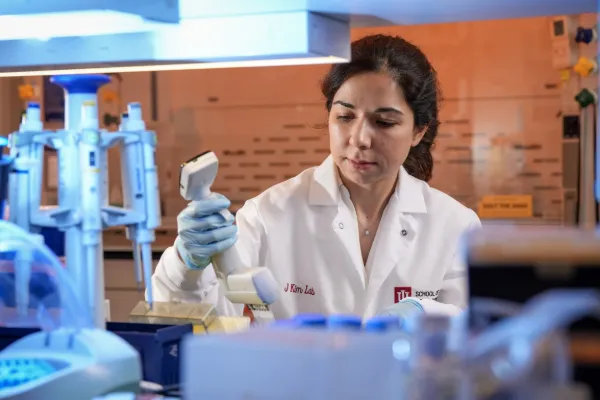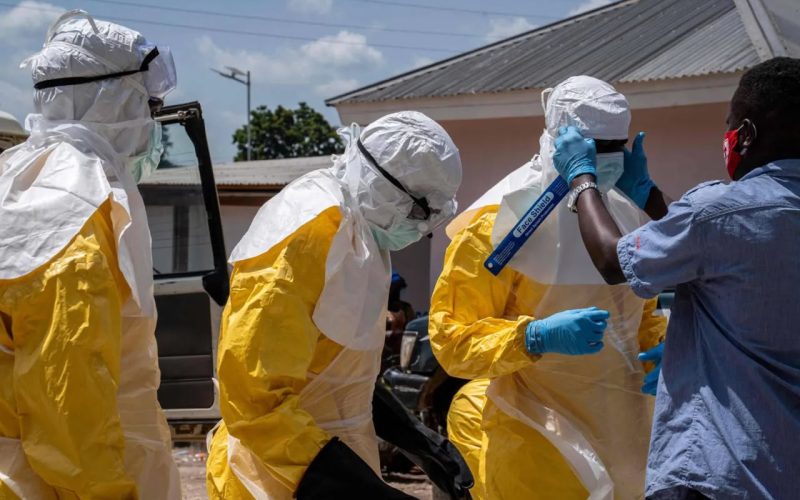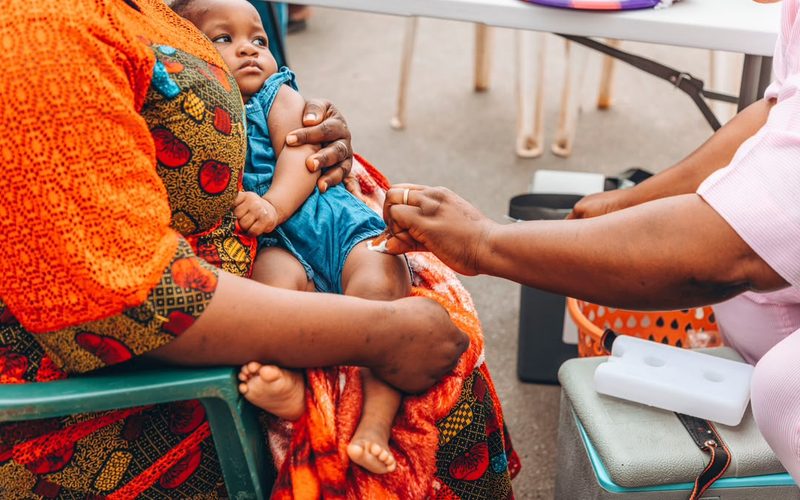

Respiratory infections continue to place pressure on healthcare systems around the world, prompting renewed attention from international health authorities. The World Health Organization (WHO) is monitoring changing patterns of influenza, COVID-19 and respiratory syncytial virus (RSV), encouraging countries to strengthen disease surveillance and prepare their healthcare facilities for possible seasonal increases.
Although global respiratory virus activity remains relatively low in several regions, differences between countries demonstrate that infectious diseases can behave differently depending on climate, population movement, vaccination coverage and public health conditions.
The latest WHO epidemiological update, published on October 30, 2026, provides an overview of respiratory virus activity during epidemiological week 42. The findings highlight the importance of continued monitoring, timely diagnosis and preventive healthcare measures.
Global Influenza Activity Remains Under Observation
Influenza, commonly known as the flu, is a contagious respiratory infection that affects millions of people annually. It spreads mainly through respiratory particles released when infected individuals cough, sneeze or talk.
According to the latest WHO surveillance findings, global influenza positivity remained below 10 percent during week 42 of 2026. Influenza A viruses continued to account for most reported detections.
However, activity was not uniform across the world. Some countries in Central America, the Caribbean, Western Africa and several parts of Asia reported elevated influenza positivity.
These differences demonstrate why international disease surveillance remains important. A relatively low global average does not necessarily mean that every country is experiencing low transmission.
For vulnerable populations, including older adults, young children, pregnant women and people with underlying medical conditions, influenza can lead to serious complications.
Healthcare authorities therefore continue to encourage appropriate vaccination, early medical assessment and preventive hygiene practices.
COVID-19 Continues to Require Global Monitoring
Although the emergency phase of the COVID-19 pandemic has passed, the virus responsible for the disease continues to circulate.
The WHO’s latest surveillance report indicated that SARS-CoV-2 positivity remained generally low and stable across most reporting countries during week 42.
Nevertheless, some areas recorded elevated activity, while increases were observed in individual countries in tropical South America and Eastern Africa.
These developments reinforce the importance of maintaining public health surveillance rather than assuming that the threat has disappeared.
COVID-19 can still cause serious illness, particularly among older people and individuals with weakened immune systems or certain chronic health conditions.
Healthcare providers should continue to assess patients with respiratory symptoms and provide appropriate treatment based on their clinical needs.
Vaccination remains an important protective measure for people who are eligible under national recommendations.
RSV Remains an Important Concern for Children’s Health
Respiratory syncytial virus is a common virus that causes infections of the lungs and respiratory tract.
Most people experience mild symptoms, but RSV can cause serious illness in infants, older adults and people with certain underlying medical conditions.
In young children, severe infection may lead to bronchiolitis or pneumonia, sometimes requiring hospital treatment.
The WHO update reported that global RSV positivity remained relatively low during week 42. However, elevated activity was observed in selected countries and regions, including parts of Central America, South America, Western Africa and Southern Asia.
These regional differences highlight the need for health authorities to monitor vulnerable populations and ensure that hospitals can respond to increases in respiratory illness.
Parents and caregivers should seek medical attention when children experience difficulty breathing, poor feeding, dehydration or unusual drowsiness.
Why Disease Surveillance Matters
Disease surveillance allows health authorities to identify infections, monitor transmission and detect unusual changes in disease patterns.
Without reliable surveillance systems, countries may struggle to identify outbreaks early enough to implement effective public health responses.
“Respiratory infections continue to place pressure on healthcare systems around the world, prompting renewed attention from international health…”
The WHO’s Weekly Epidemiological Record provides information on disease activity and potential public health threats from different parts of the world.
In its October 30 edition, the organisation reported that its public health intelligence teams screened approximately 618,000 raw signals during epidemiological week 43.
Of these, 20 met assessment thresholds, and 13 were escalated for operational attention.
The figures illustrate the scale of monitoring required to identify emerging health threats in an interconnected world.
Early detection can help countries investigate unusual events, communicate risks and prepare appropriate responses.
Protecting Vulnerable Communities
Respiratory infections do not affect all populations equally.
People living in overcrowded housing, communities with limited access to healthcare and individuals with underlying medical conditions may face additional challenges.
Hospitals can also experience pressure when several respiratory viruses circulate simultaneously.
Healthcare authorities should therefore prioritise adequate staffing, essential medical supplies, laboratory testing and access to appropriate treatment.
Public education is equally important. Communities should understand how respiratory infections spread and how everyday preventive measures can reduce transmission.
Regular handwashing, covering coughs and sneezes, improving indoor ventilation and staying home when unwell can help limit the spread of respiratory infections.
People experiencing severe symptoms should seek professional medical advice rather than relying entirely on self-treatment.
The Importance of International Cooperation
Infectious diseases do not respect national borders. International travel, migration and trade mean that viruses can spread between countries within relatively short periods.
This makes cooperation between governments, research institutions and international health organisations essential.
Countries need to share reliable disease surveillance information, strengthen laboratory capacity and maintain effective communication with healthcare professionals.
The WHO also plays an important role in coordinating international monitoring and providing technical guidance to national health authorities.
Investment in research and vaccine development can further improve preparedness against emerging respiratory threats.
Conclusion
The latest WHO respiratory surveillance findings demonstrate that influenza, COVID-19 and RSV continue to circulate internationally, even when overall activity remains relatively low.
Differences between regions highlight the importance of maintaining strong disease monitoring systems and preparing healthcare services for possible increases in infection.
Governments should continue investing in vaccination programmes, laboratory testing, public health education and accessible medical care.
For individuals, basic preventive measures and timely medical attention remain important in reducing the impact of respiratory infections.
A coordinated international response will be essential in protecting vulnerable populations and ensuring that healthcare systems remain prepared for future infectious disease challenges.