The Democratic Republic of Congo’s Ebola outbreak has killed more than 4,000 people, marking another major setback for health authorities struggling to contain the fastest-growing Ebola epidemic recorded in the country.
Government figures released this week show that 4,018 people have died from about 8,300 confirmed cases since the outbreak was declared on May 15. The outbreak is being driven by the Bundibugyo strain of Ebola, a rare form of the virus for which there is currently no approved vaccine or treatment.
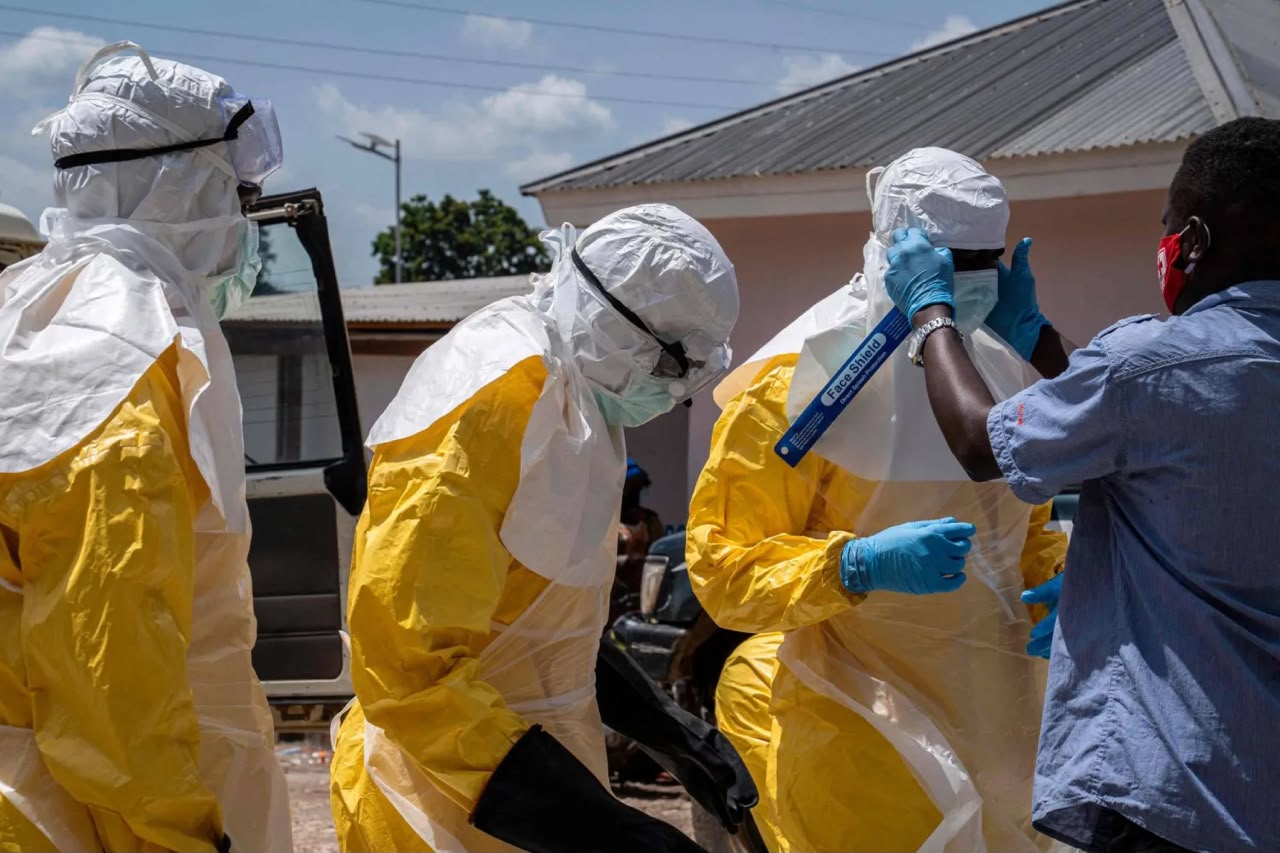
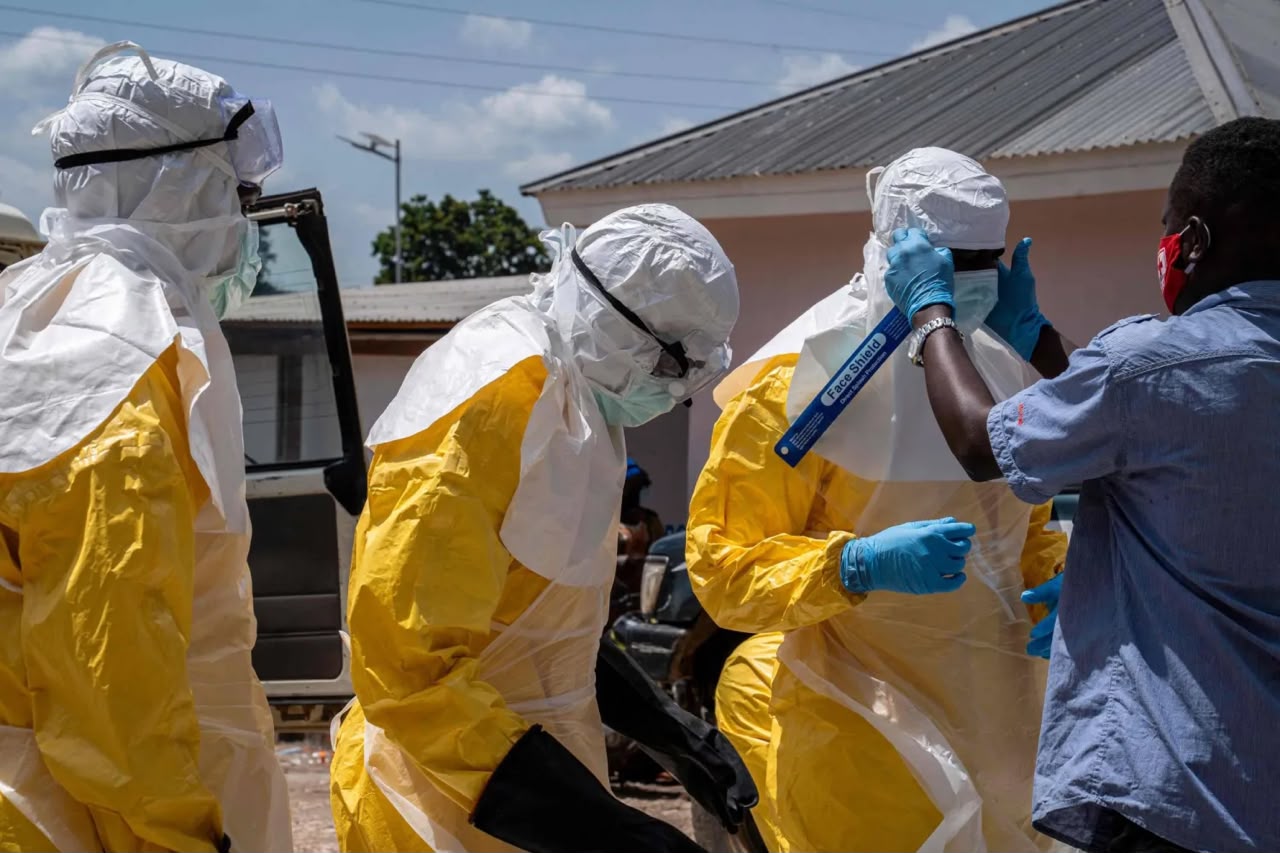
Response team members are helped to wear protective suits before burying a person suspected of having died from Ebola in Bunia, in the eastern Democratic Republic of the Congo, on May 25, 2026. (AFP)
The scale of the outbreak has placed enormous pressure on medical teams working in eastern Congo.
Health response faces major obstacles
Health authorities and international organizations are using testing, patient treatment, contact tracing and community education to slow transmission.
However, the response is being complicated by insecurity, limited infrastructure and mistrust among some communities.
Eastern Congo has experienced prolonged conflict involving armed groups, making it difficult for health workers to reach some affected areas quickly.
Medical facilities have also faced attacks and disruptions.
A transit center for Ebola patients in Ituri province was burned earlier this week after soldiers reportedly searched the surrounding displacement camp for weapons. The incident forced thousands of displaced people to leave the area and damaged an important part of the medical response.
The destruction has added another challenge to a system already struggling with limited resources.
Mistrust complicates containment
Health officials are also dealing with resistance from some communities.
Misinformation and distrust of authorities have made it harder to convince residents to report suspected infections, cooperate with health workers and follow recommended prevention measures.
Such cooperation is essential during an Ebola outbreak because infected people can spread the virus before their condition is fully understood.
Rapid identification and isolation can therefore make a significant difference.
The World Health Organization has warned that the epidemic remains far from over and that its geographical spread is putting additional pressure on already limited health resources.
“When we lose a center, that means we lose capacity, we lose investment, and we have to start…”
Health workers under pressure
Frontline workers are carrying much of the burden of the response.
Medical teams must work in difficult conditions while using protective equipment and following strict infection-control procedures.
Some health workers have also protested over delayed payments, creating another challenge for maintaining surveillance and treatment operations.
International organisations including the World Health Organization, Africa Centres for Disease Control and Prevention and Médecins Sans Frontières are supporting the response.
Mobile laboratories are also being used to speed up testing and reduce the time required to identify infected patients.
Signs of progress, but major risks remain
There are indications that confirmed cases have declined in some areas.
However, health officials have warned that lower reported numbers do not necessarily mean the outbreak is under control. Insecurity and limited access to communities can make it harder to detect infections, potentially reducing the number of cases recorded without reducing actual transmission.
More than 2,000 people have reportedly recovered from the outbreak, showing that patients can survive the disease with appropriate medical support.
For Congo and its international partners, the priority remains stopping further transmission while restoring public confidence in the health response.
The outbreak’s continuing spread demonstrates how disease control depends not only on medicine, but also on security, infrastructure, funding and cooperation between communities and health workers.
The coming weeks will be critical as authorities attempt to strengthen surveillance and prevent the epidemic from spreading into additional areas.