

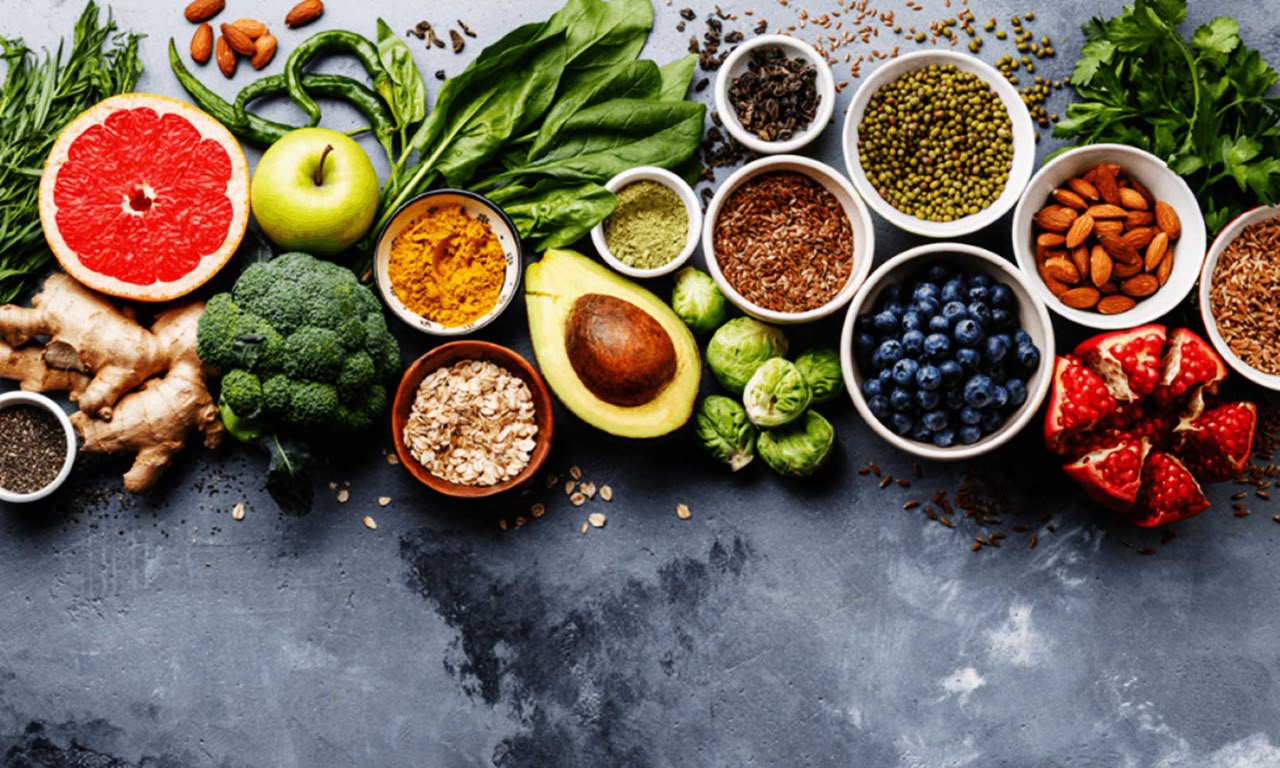
Food provides the energy and nutrients the body needs to function, making diet an important part of long-term health.
A healthy diet does not require following a complicated eating plan. Instead, it generally involves eating a variety of nutritious foods while limiting excessive amounts of salt, free sugars and unhealthy fats.
The World Health Organization identifies vegetables, fruits, legumes, whole grains and nuts among the foods that can form part of a healthy diet. The organization also emphasizes the importance of balance, variety and moderation.
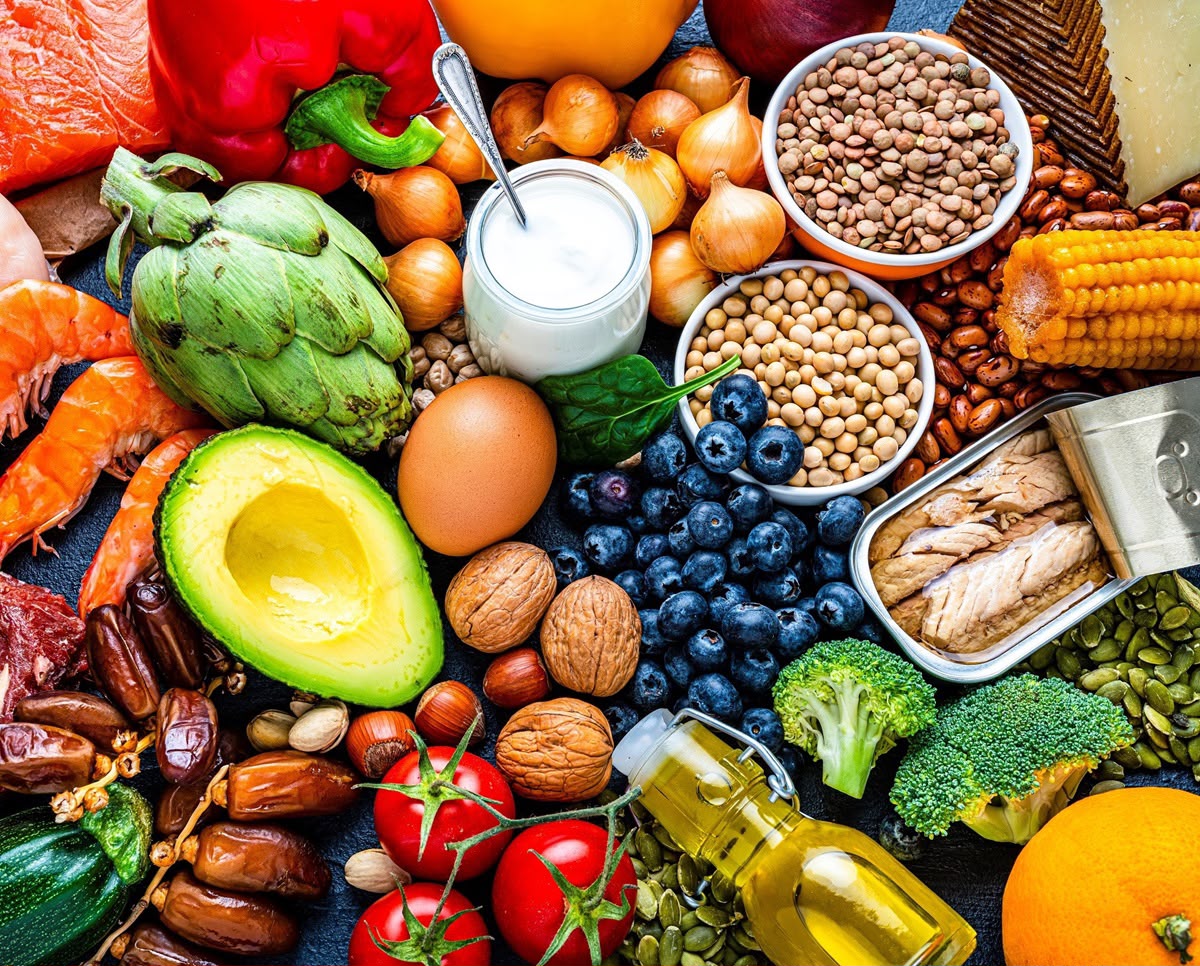
Eating habits vary significantly between countries and communities. Foods that form the basis of a nutritious diet in Uganda may differ from those commonly eaten elsewhere, but the broader principles of healthy eating remain relevant.
Beans and other legumes, vegetables, fruits, whole grains, fish and other sources of protein can contribute important nutrients when included as part of a balanced diet.
The amount of food matters as well. Regularly consuming more energy than the body uses can contribute to weight gain, while excessive consumption of foods high in salt, sugar and unhealthy fats can increase health risks over time.
The U.S. Centers for Disease Control and Prevention says healthy eating can support the muscles, bones, teeth and eyes while helping the digestive system function properly. A healthy eating pattern can also help reduce the risk of conditions including heart disease and type 2 diabetes.
WHO recommends that adults and children over the age of 10 aim for at least 400 grams of fruit and vegetables each day. It also recommends limiting free sugars to less than 10 percent of total daily energy intake and keeping salt consumption below five grams per day.
These recommendations are not intended to suggest that every meal must be perfect.
“Healthy eating is better understood as a pattern of choices made over time”
Healthy eating is better understood as a pattern of choices made over time.
For some households, however, access and affordability can make healthy eating more difficult. WHO has highlighted the fact that billions of people around the world do not have consistent access to safe and nutritious food.
That means conversations about nutrition should also consider local food availability, household budgets and cultural eating habits.
People should also be cautious about diets that promise dramatic health changes by eliminating large groups of foods without a clear medical reason. Nutritional needs vary between individuals, particularly for children, pregnant women, older adults and people living with certain medical conditions.
When specific dietary concerns exist, advice from a qualified healthcare professional or registered dietitian can help.
A healthy diet is ultimately about more than appearance or weight. Good nutrition supports the body’s normal functions and can contribute to health throughout life.
Choosing a variety of nutritious foods, moderating salt and sugar, and maintaining balanced eating habits can provide a practical foundation for long-term well-being.