
Scientists from different parts of the world are receiving international recognition for research aimed at addressing some of the most challenging health problems facing humanity. Their work highlights the importance of scientific innovation in improving disease prevention, diagnosis and treatment.
On November 2, 2026, the United Nations Educational, Scientific and Cultural Organization (UNESCO) announced three winners of the UNESCO–Equatorial Guinea International Prize for Research in the Life Sciences. The award recognises outstanding scientific contributions with the potential to improve human health and support sustainable development.
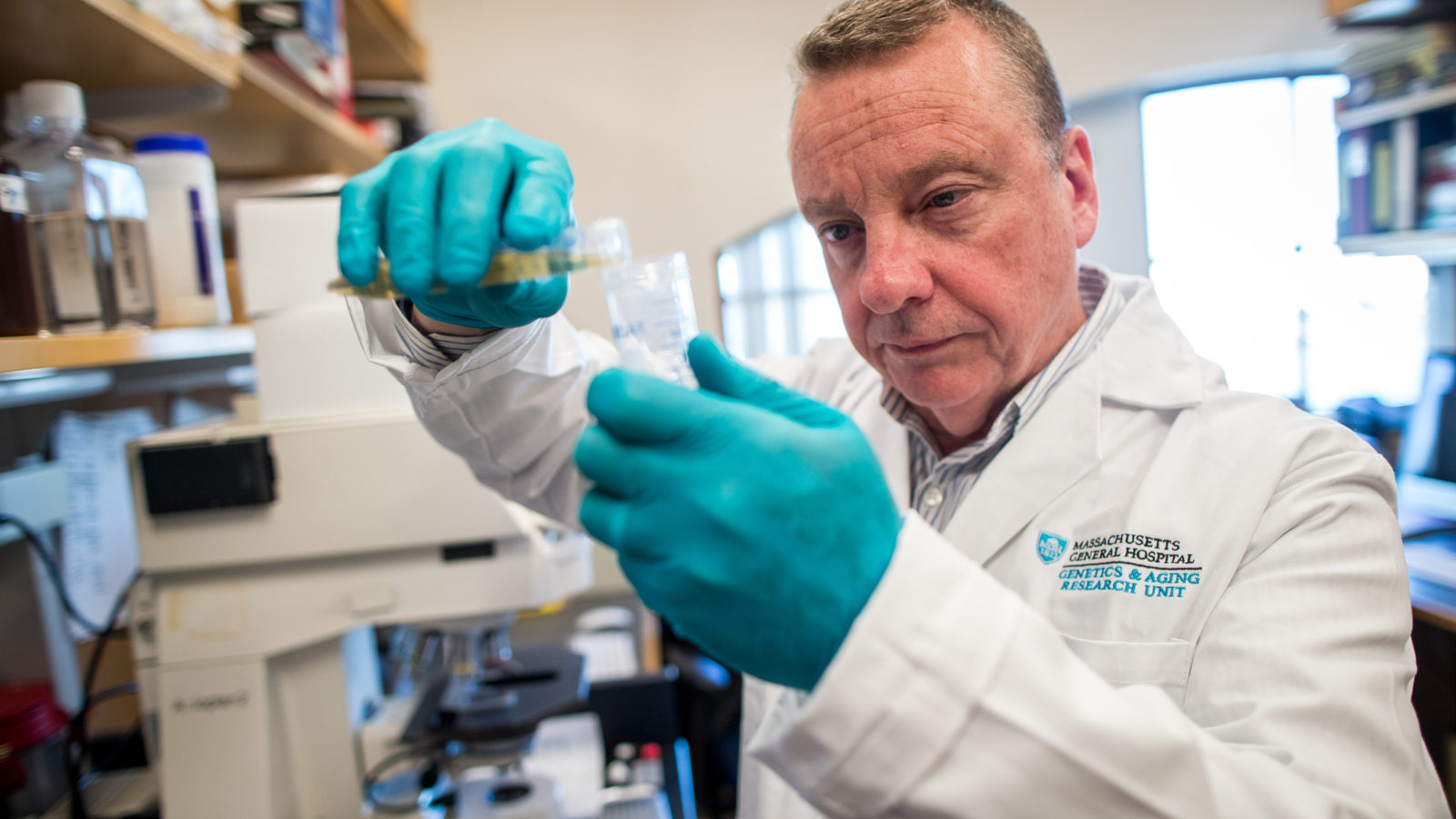
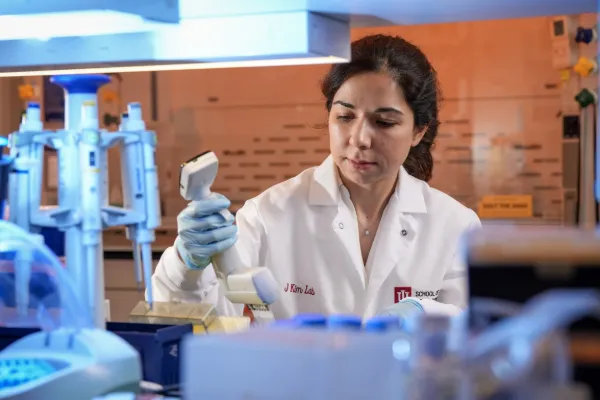
Aram Boghosian for STAT
The latest recognition focuses on research addressing Alzheimer’s disease, tuberculosis and antimicrobial resistance. These health challenges affect millions of people and continue to demand attention from governments, healthcare professionals and research institutions.
The announcement also highlights the importance of supporting young scientists, particularly women researchers, whose contributions are essential to the future of medical science.
Alzheimer’s Disease Remains a Major Global Health Challenge
Alzheimer’s disease is a progressive neurological condition that affects memory, thinking and behaviour. It is the most common cause of dementia and can gradually interfere with a person’s ability to perform everyday activities.
As populations grow older in many parts of the world, dementia is becoming an increasingly important public health concern.
People living with Alzheimer’s may initially experience forgetfulness, difficulty remembering recent events and challenges with planning or solving problems. As the disease progresses, they may require assistance with communication, personal care and other daily activities.
The condition also affects families and caregivers, who often experience emotional, physical and financial pressure.
Scientific research is essential for understanding the biological processes responsible for Alzheimer’s disease and identifying opportunities for earlier diagnosis and more effective treatment.
Researchers are investigating the roles of abnormal proteins, inflammation, genetic factors and changes in brain function.
Although there is currently no cure, some treatments can help manage symptoms or slow disease progression in eligible patients.
International recognition of research in this field provides an opportunity to highlight the need for continued investment in neuroscience and dementia care.
Tuberculosis Continues to Threaten Global Health
Tuberculosis remains one of the world’s most important infectious disease challenges.
The disease is caused by bacteria that usually affect the lungs, although other parts of the body can also become infected.
It spreads through the air when someone with infectious pulmonary tuberculosis coughs, sneezes or speaks.
Common symptoms include a persistent cough, fever, night sweats, chest pain, fatigue and unexplained weight loss.
Despite the availability of effective treatment, tuberculosis continues to cause illness and death, particularly in communities facing poverty, overcrowding and limited access to healthcare.
Drug-resistant tuberculosis presents an additional challenge because some forms of the disease do not respond to commonly used medicines.
Research into improved diagnostic technologies, treatment combinations and preventive interventions remains essential.
Scientists are also working to understand how tuberculosis bacteria interact with the human immune system and why some infections progress to active disease.
Recognising scientific contributions in tuberculosis research reinforces the need to accelerate discoveries and make effective healthcare solutions accessible to affected populations.
Antibiotic Resistance Raises Concern Among Health Experts
Another major issue highlighted by the UNESCO recognition is antimicrobial resistance.
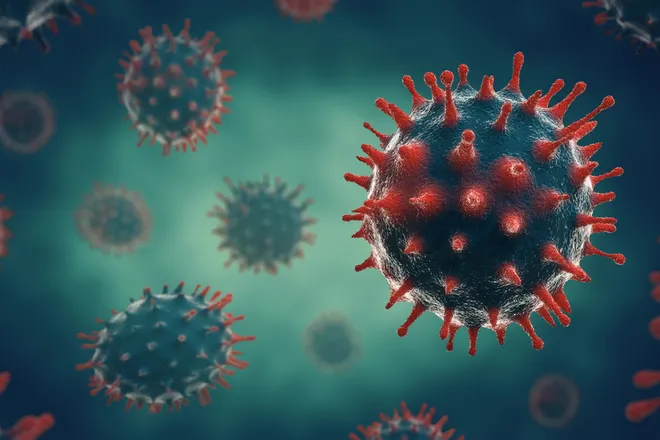
Antimicrobial resistance occurs when bacteria, viruses, fungi or parasites develop the ability to survive medicines that were previously effective against them.
Bacterial resistance to antibiotics is one of the most serious examples.
Antibiotics are essential for treating bacterial infections and preventing complications during surgery, childbirth and cancer treatment.
However, inappropriate antibiotic use, inadequate infection prevention and the spread of resistant microorganisms can reduce the effectiveness of available treatments.
When medicines become less effective, infections may last longer, become more difficult to treat and increase the risk of death.
Antimicrobial resistance also threatens modern medical procedures that depend on effective infection control.
Health professionals are encouraging responsible antibiotic prescribing, improved laboratory testing and better public awareness.
“Scientists from different parts of the world are receiving international recognition for research aimed at addressing some of…”
Patients should use antibiotics only when prescribed by qualified healthcare professionals and follow the recommended treatment instructions.
Governments must also strengthen surveillance systems to monitor resistant infections and support research into new treatments.
Why International Scientific Recognition Matters
Scientific discoveries often require years of research, funding and collaboration before they produce meaningful improvements in healthcare.
International awards help recognise researchers whose work contributes to addressing major global problems.
The UNESCO–Equatorial Guinea International Prize for Research in the Life Sciences was established in 2008 and supports scientific excellence in areas connected to human development and sustainable progress.
Its tenth edition recognises scientists from China, Spain and Morocco.
The announcement demonstrates the international nature of modern medical research. Scientific progress is no longer limited to a small number of countries or institutions.
Researchers increasingly collaborate across borders, sharing knowledge, laboratory resources and expertise to address diseases that affect populations worldwide.
Such cooperation is especially important for low- and middle-income countries, where limited research funding and infrastructure can restrict access to scientific opportunities.
Supporting Young Women Scientists
Alongside the award announcement, UNESCO highlighted the second edition of its Fellowship Programme for Young Women Scientists in Africa.
Supporting women in scientific research is important for improving representation and expanding opportunities within medical and scientific institutions.
Women researchers contribute to several areas of health science, including infectious disease research, maternal health, biotechnology, pharmaceutical development and public health policy.
However, they may encounter barriers such as limited research funding, unequal access to laboratory facilities, inadequate mentorship and fewer opportunities for international collaboration.
Fellowship programmes can help address these challenges by providing training, professional development and opportunities to participate in scientific networks.
Investing in young researchers also helps strengthen the future scientific workforce.
African universities and research institutions can benefit from programmes that encourage young scientists to develop innovative solutions to health challenges affecting their communities.
Turning Scientific Discoveries into Better Healthcare
Scientific recognition is important, but research must ultimately translate into practical benefits for patients.
Promising discoveries need further investigation, clinical evaluation and regulatory assessment before they can become widely available medical treatments.
Governments and healthcare institutions should therefore support research partnerships that connect laboratories, universities, pharmaceutical companies and hospitals.
Greater investment in local scientific infrastructure can also help countries develop their own research capacity.
Access to medical innovations must remain an important consideration. A treatment that is scientifically successful but financially inaccessible may have limited impact on populations that need it most.
International organisations can help encourage equitable access by supporting collaboration, knowledge sharing and stronger health systems.
Conclusion
The recognition of scientists working on Alzheimer’s disease, tuberculosis and antimicrobial resistance highlights the importance of research in addressing global health challenges.
These conditions affect people across different countries and income groups, making scientific cooperation essential.
Continued investment in medical research, laboratory infrastructure, young scientists and international partnerships can help accelerate progress towards better prevention and treatment.
The recognition announced by UNESCO on November 2, 2026, is a reminder that scientific innovation plays a central role in improving human health.
Ultimately, the value of medical research lies not only in scientific achievements but also in its ability to improve lives, reduce suffering and make effective healthcare accessible to people everywhere.