
Africa’s fight against malaria has entered a new phase as malaria vaccines become part of routine childhood immunization programmes across the continent.
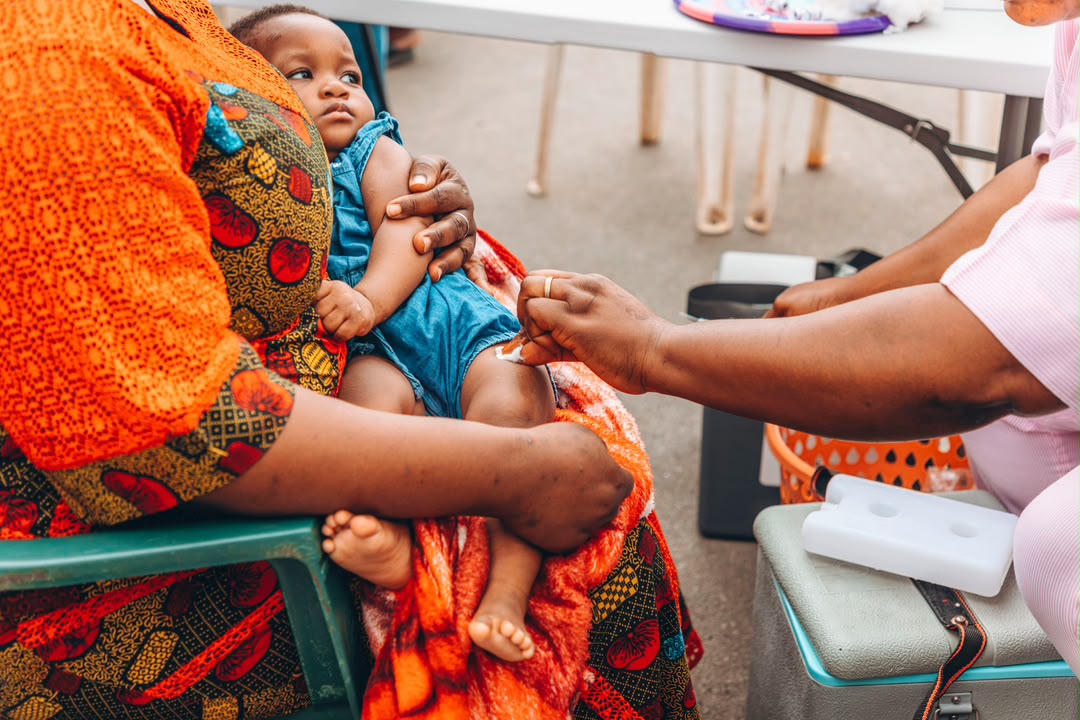
More than 10 million children are now targeted for malaria vaccination each year in African countries introducing the vaccines, according to the World Health Organization (WHO).
The expansion is significant because malaria remains one of Africa’s biggest public health challenges. The continent accounted for about 94% of malaria cases and 95% of malaria deaths worldwide in 2024, with young children facing the greatest risk of severe disease and death.
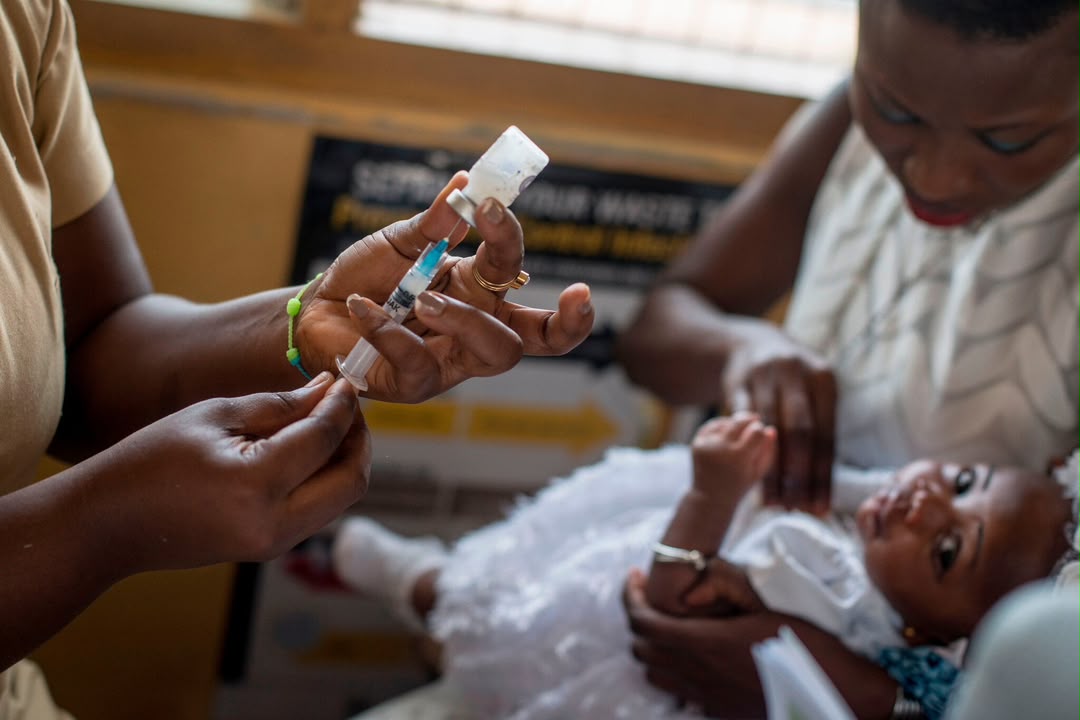
“The malaria vaccine represents another layer of protection for children, strengthening existing efforts to prevent malaria and save lives across Africa.”
Two malaria vaccines — RTS,S and R21 — are currently recommended by WHO for children living in areas where Plasmodium falciparum malaria is common.
The vaccines are not intended to replace existing malaria-control measures. Instead, health authorities are using vaccination alongside mosquito nets, malaria testing, treatment and other prevention measures.
Clinical studies have shown that the vaccines can substantially reduce malaria cases among young children, particularly during the period when they are most vulnerable to severe disease.
The vaccination programme has expanded considerably since the first pilot programmes in Ghana, Kenya and Malawi. By 2026, 25 African countries were offering malaria vaccines through routine childhood immunisation programmes, according to WHO.
Uganda is among the countries participating in the wider rollout. The country introduced malaria vaccination nationally in 2025, integrating the programme into its existing childhood immunisation system.
Early programme data from Uganda has provided encouraging indications. According to Gavi, the average monthly number of children hospitalised with severe malaria in Apac fell sharply after the vaccine was introduced. Nationwide data also indicated fewer cases of severe malaria among children under five during the first year of the programme.
“The malaria vaccine represents another layer of protection for children, strengthening existing efforts to prevent malaria and save…”
Health officials, however, continue to emphasise that vaccination must be combined with other malaria-control measures.
Mosquito nets remain an important tool for protecting children and families from infected mosquito bites. Early diagnosis and effective treatment are also essential, particularly when children develop symptoms such as fever.
The expansion of malaria vaccination also brings logistical challenges. Countries must maintain reliable vaccine supplies, reach children in remote communities and ensure that children receive all recommended doses.
Funding remains another important consideration as governments and international health organisations work to expand access.
The growing availability of malaria vaccines represents an additional tool in efforts to reduce the burden of the disease across Africa. However, health experts continue to view vaccination as part of a broader prevention strategy rather than a standalone solution.
As more countries incorporate malaria vaccines into routine immunisation programmes, millions of African children are gaining an additional layer of protection against a disease that continues to claim hundreds of thousands of lives each year.
For communities where malaria remains a constant threat, the continued expansion of vaccination could become an important part of the continent’s long-term effort to reduce severe illness and childhood deaths.