
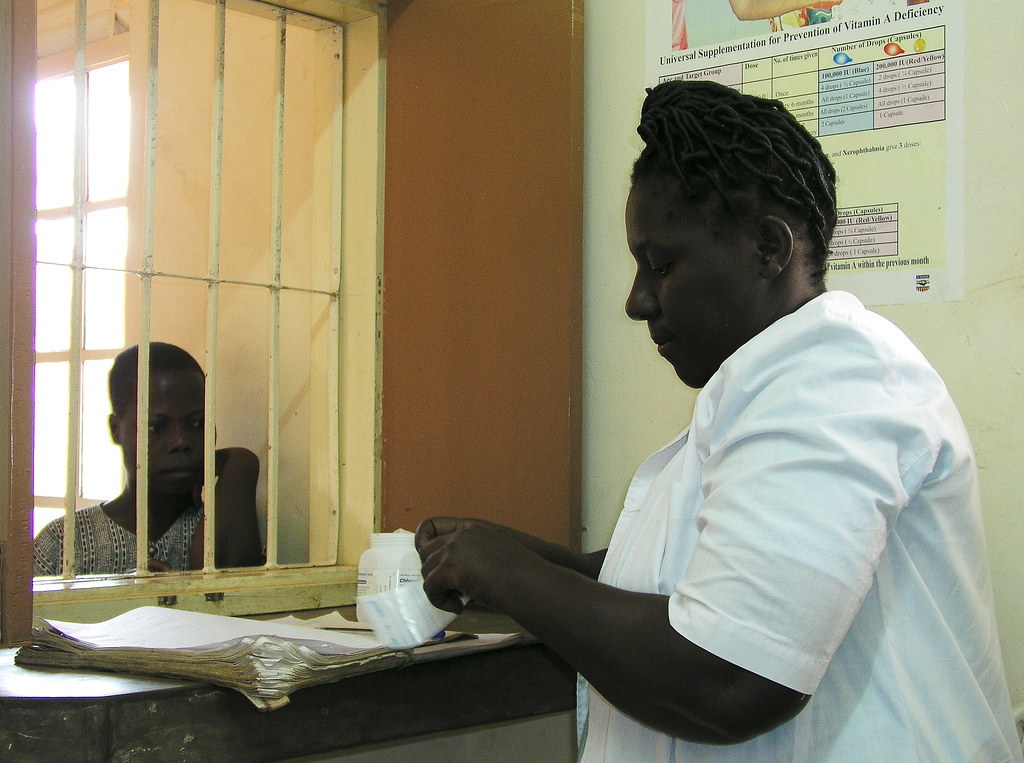
In thousands of villages and urban settlements, the first — and often only — point of contact with the health system is not a doctor. It is a community health worker with a bicycle, a smartphone and a backpack of essentials.
These workers vaccinate children, screen for hypertension, follow up tuberculosis treatment and refer emergencies — a breadth of responsibility that would astonish health systems elsewhere.
New research shows districts with strong community health programmes detect outbreaks days earlier and keep chronic patients on treatment at significantly higher rates.
Yet the workforce remains chronically under-recognised, with many volunteers relying on stipends that arrive late or not at all. Health economists argue formalising the cadre would be among the highest-return investments in public health.
“From vaccinations to chronic disease follow-up, a vast workforce of local health workers is filling the gap where…”
The lesson of every recent epidemic is the same: resilient health systems are built from the village up, not the capital down.