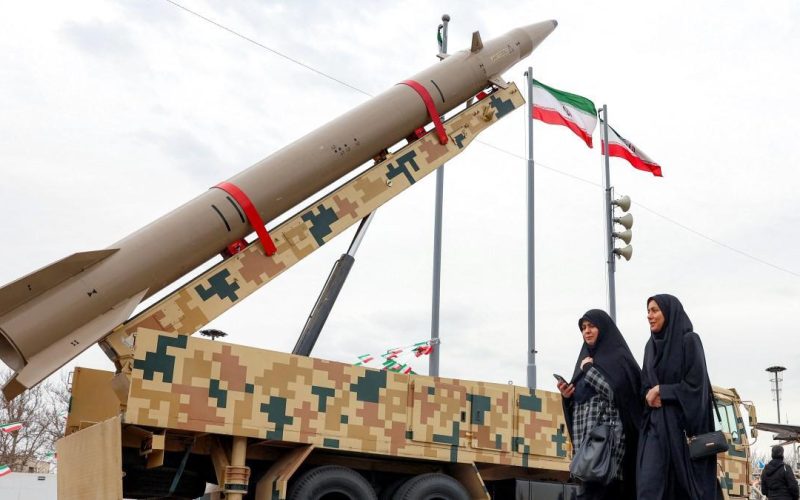

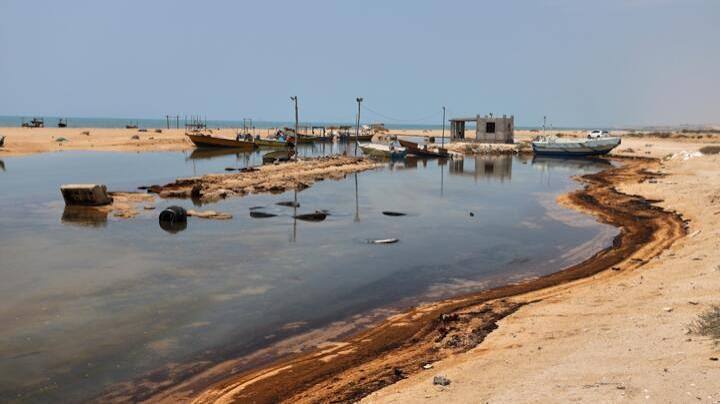
The United States has carried out limited military strikes against targets on Iran’s Qeshm Island, raising fresh concerns about the possibility of renewed conflict in the Middle East at a time when diplomatic efforts are still underway to ease tensions between the two countries.
The strikes, which American officials described as defensive, reportedly targeted Iranian military capabilities considered a threat to US assets operating around the strategically important Strait of Hormuz. The operation comes amid growing uncertainty over the future of negotiations between Washington and Tehran.
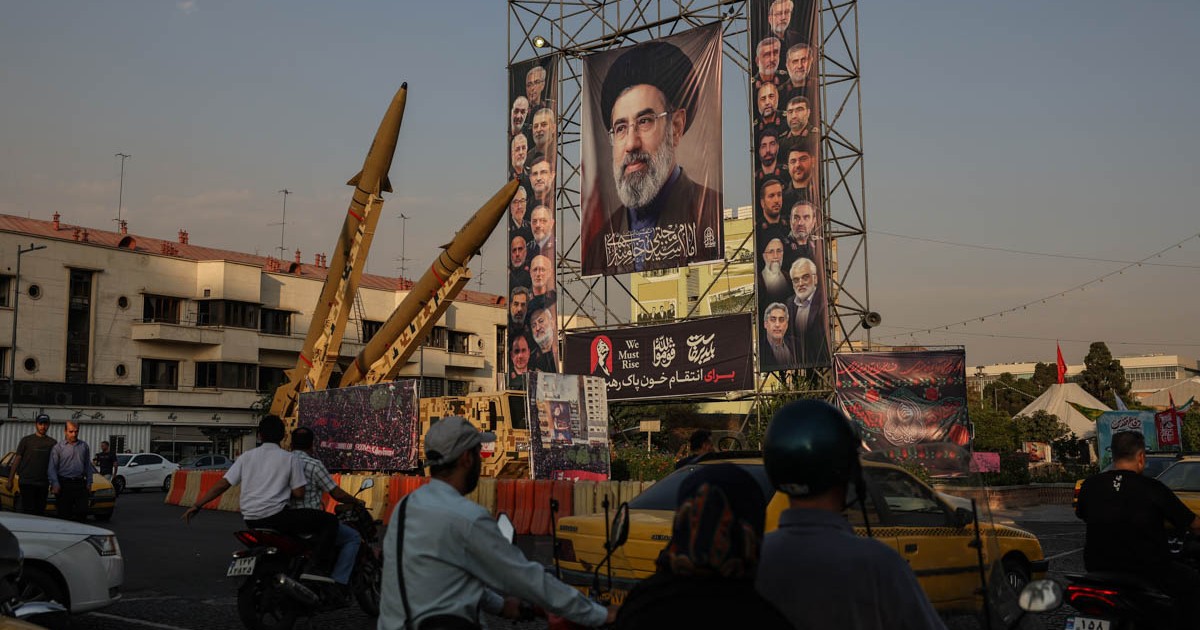
The latest development highlights the fragile relationship between military pressure and diplomatic engagement. While both sides have indicated that a negotiated settlement remains possible, their continued military preparations suggest that the situation could deteriorate if negotiations fail.
A strategically important location
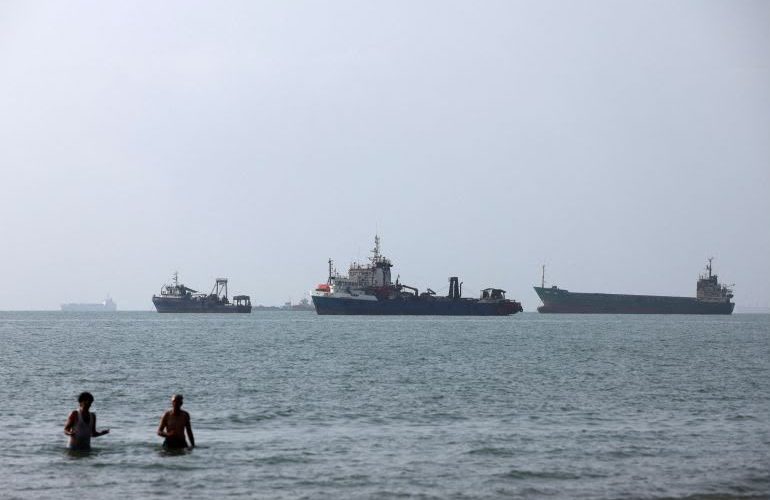
Qeshm Island occupies a significant position in the Strait of Hormuz, one of the world’s most important maritime transportation routes.
The waterway connects the Persian Gulf with the Gulf of Oman and provides a critical passage for international energy shipments. Countries across Asia, Europe and other regions depend on oil and gas transported through this corridor.
Any prolonged disruption could affect global energy markets, increase shipping costs and create economic uncertainty.
For developing economies, particularly those heavily dependent on imported fuel, the consequences could extend beyond energy markets. Higher petroleum prices can increase transportation costs, affect food distribution and place additional pressure on household incomes.
This makes the latest military developments an international economic concern rather than simply a regional security issue.
Diplomacy continues despite military confrontation
Qatar has continued playing an important mediation role between Washington and Tehran.
Diplomatic discussions have focused on reducing military tensions, addressing restrictions affecting Iranian economic activities and finding a possible agreement concerning the country’s nuclear programme.
Iran has maintained that it wants negotiations conducted on terms that respect its national sovereignty. The United States, meanwhile, is seeking stronger assurances concerning Iran’s nuclear activities and regional military capabilities.
The differences remain substantial.
Washington wants an arrangement that prevents Iran from developing nuclear weapons, while Tehran has consistently rejected what it considers excessive restrictions imposed through foreign pressure.
The latest strikes have complicated these discussions, although American officials have continued expressing optimism about a possible agreement.
“The United States has carried out limited military strikes against targets on Iran’s Qeshm Island, raising fresh concerns…”
The economic consequences extend beyond the Middle East
The Strait of Hormuz is central to international energy transportation. Any military escalation in the area can quickly affect oil prices, shipping insurance and international investment decisions.
African economies could be particularly exposed to a prolonged crisis.
Many countries on the continent import refined petroleum products and remain vulnerable to fluctuations in international energy prices. An increase in fuel costs can affect public transport, agriculture, manufacturing and electricity generation.
Uganda, for example, depends heavily on imported petroleum products. A prolonged disruption in international shipping could increase the cost of importing fuel and place additional pressure on transport operators and consumers.
Businesses may respond to rising operating expenses by increasing prices, potentially contributing to inflation.
What comes next?
The immediate challenge for international mediators is preventing the latest military operation from developing into a wider confrontation.
Qatar and other regional partners will need to maintain communication channels between the two countries while encouraging both governments to avoid actions that could undermine negotiations.
A lasting agreement will require compromises on security concerns, economic restrictions and nuclear monitoring.
Berli Media Analysis
The latest strikes demonstrate how quickly diplomatic progress can be undermined by military confrontation.
For the international community, the priority should be protecting commercial shipping, reducing the risk of escalation and supporting a negotiated settlement.
The consequences of another major Middle Eastern conflict would not be confined to the countries involved. Energy markets, international trade and developing economies would all face significant risks.