
The diplomatic efforts to end the ongoing conflict between Iran and the United States are continuing, with Qatar playing an important role in bringing the two sides closer to a possible agreement. Despite growing military tensions and strong statements from political and military leaders, recent discussions have raised hopes that a diplomatic solution could still be achieved.
According to reports published on November 2, Iranian negotiators left Doha, Qatar, following discussions with Qatari mediators. The departure did not necessarily indicate that negotiations had failed. An official familiar with the discussions said a draft proposal was circulating and that another meeting could take place as diplomatic efforts continued.
The discussions are taking place against the background of an eight-month conflict that has affected regional security, international trade and global energy supplies. Both Washington and Tehran face significant challenges in finding an agreement that addresses their competing demands.
Qatar plays a central role in negotiations
Qatar has become an important intermediary between Iran and the United States because direct negotiations between the two governments remain difficult.
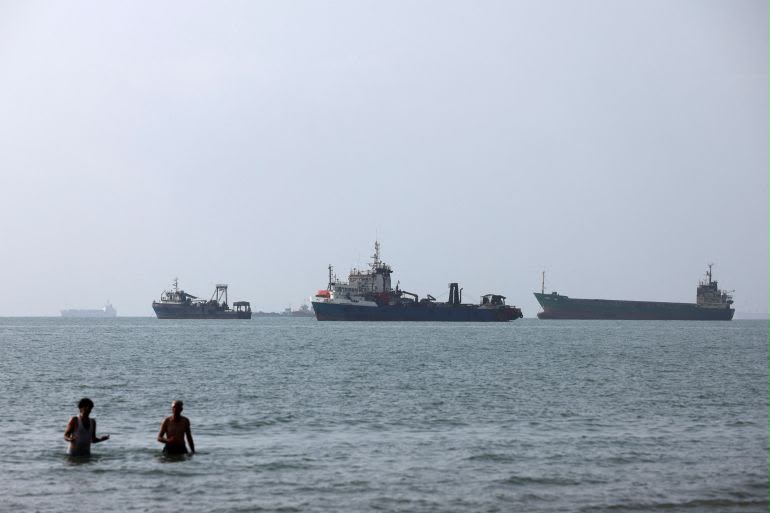
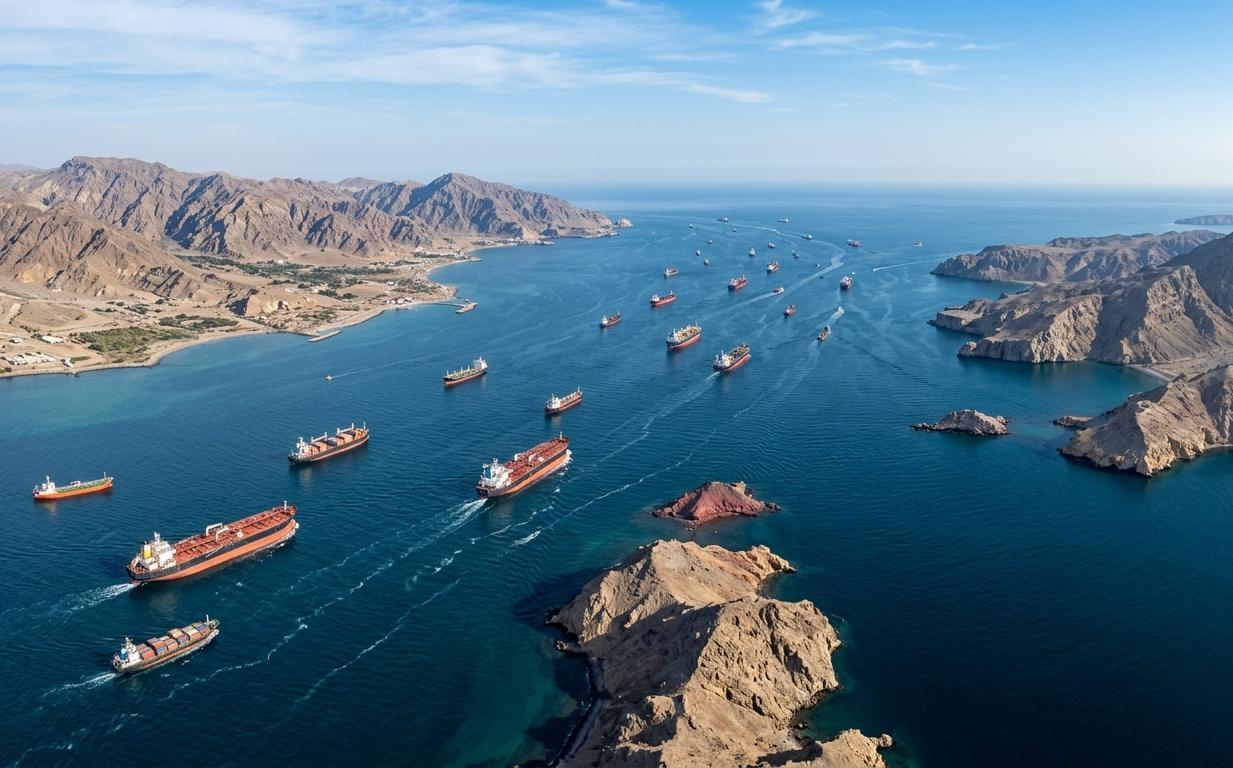
The latest discussions have focused on proposals intended to end hostilities, reduce tensions and reopen the Strait of Hormuz, one of the world’s most important international shipping routes.
Iranian officials have indicated that their proposal could allow the strategic waterway to reopen within two days if Washington meets Tehran’s conditions.
However, the two governments have not announced a final agreement.
The involvement of Qatar demonstrates the importance of regional diplomacy in resolving conflicts that have consequences beyond the countries directly involved. Other regional governments are also concerned about the possibility of renewed fighting and its impact on trade, energy supplies and security.
The Strait of Hormuz remains a major disagreement
One of the most important issues in the negotiations is the Strait of Hormuz.
The waterway connects the Persian Gulf with the Gulf of Oman and provides a major route for international oil shipments.
Disruption to shipping through the strait can affect oil prices, transportation costs and the economies of countries that depend on imported energy.
Iran has proposed reopening the waterway under arrangements involving Iranian and Omani authorities. Tehran wants the United States to end its naval blockade and address restrictions affecting Iranian oil exports.
The United States, meanwhile, has maintained pressure on Iran through maritime restrictions and economic measures.
These competing positions have made negotiations difficult because each government wants important conditions addressed before making concessions.
Economic sanctions remain another major obstacle
Economic sanctions are another central issue in the discussions.
Iran wants Washington to ease restrictions on its economy, particularly those affecting oil exports and international financial transactions.
The restrictions have placed pressure on Iran’s ability to sell petroleum, receive international payments and maintain normal commercial relationships.
Iran has also demanded the release of frozen assets held overseas.
For Washington, however, sanctions remain an important instrument of foreign policy. American officials want any agreement to address concerns about Iran’s nuclear programme and provide assurances that commitments will be respected.
The disagreement over which side should make the first move remains a major challenge.
Iran wants economic restrictions lifted and the naval blockade addressed. Washington wants progress on nuclear issues and other security concerns before offering substantial concessions.
Nuclear negotiations remain unresolved
The nuclear programme is another major issue separating the two governments.
The United States has repeatedly argued that Iran’s nuclear activities must be addressed as part of a lasting agreement.
Washington wants arrangements that provide transparency and allow appropriate international inspections.
“The diplomatic efforts to end the ongoing conflict between Iran and the United States are continuing, with Qatar…”
Iran, on the other hand, has maintained that negotiations must respect its stated rights and national interests.
The nuclear issue is particularly sensitive because previous diplomatic efforts have been disrupted by military confrontations and disagreements over commitments.
A future agreement would therefore need to establish a process that both sides consider credible.
Trump administration signals continued interest in diplomacy
President Donald Trump has indicated that negotiations are continuing and has described recent discussions as productive.
However, he has also warned that military action remains an option if diplomatic efforts fail.
Secretary of State Marco Rubio has similarly indicated that Washington would prefer a diplomatic resolution but retains the ability to respond militarily.
These statements demonstrate the difficult balance between negotiations and military pressure.
For Iran, the challenge is obtaining guarantees that an agreement will not simply be followed by another military confrontation. For the United States, the challenge is securing an agreement that addresses its nuclear and regional security concerns.
International community watches developments closely
Governments across the Middle East are monitoring the negotiations because another escalation could have serious consequences for the region.
Countries dependent on Gulf shipping are particularly concerned about the Strait of Hormuz.
Higher oil prices and disruptions to international shipping could affect businesses, transport companies and households worldwide.
For developing economies that depend on imported petroleum, prolonged instability could increase the cost of fuel, electricity and essential goods.
The negotiations are therefore important not only to Iran and the United States but also to countries in Africa, Asia and Europe.
What happens next?
The coming days could be important for determining whether the latest diplomatic efforts produce a practical agreement.
The circulating draft proposal and the possibility of another meeting suggest that communication through mediators remains active. Nevertheless, the most difficult questions have not yet been resolved.
These include the future of the naval blockade, sanctions relief, the reopening of the Strait of Hormuz and Iran’s nuclear programme.
For now, neither government has announced a comprehensive peace agreement.
The international community will be watching closely to see whether Washington and Tehran can turn diplomatic discussions into concrete commitments.
A successful agreement could reduce regional tensions, improve confidence in international shipping and provide relief to economies affected by the conflict. Failure, however, could leave the region facing another period of uncertainty and possible military escalation.