
Tensions between Iran and the United States remain high as both countries continue to exchange warnings while diplomatic efforts attempt to prevent another round of military confrontation in the Middle East.
The latest developments have raised concerns among regional governments, international shipping companies and global energy markets. Although negotiations are continuing through diplomatic intermediaries, statements from senior officials in Washington and Tehran suggest that the possibility of renewed military action has not disappeared.
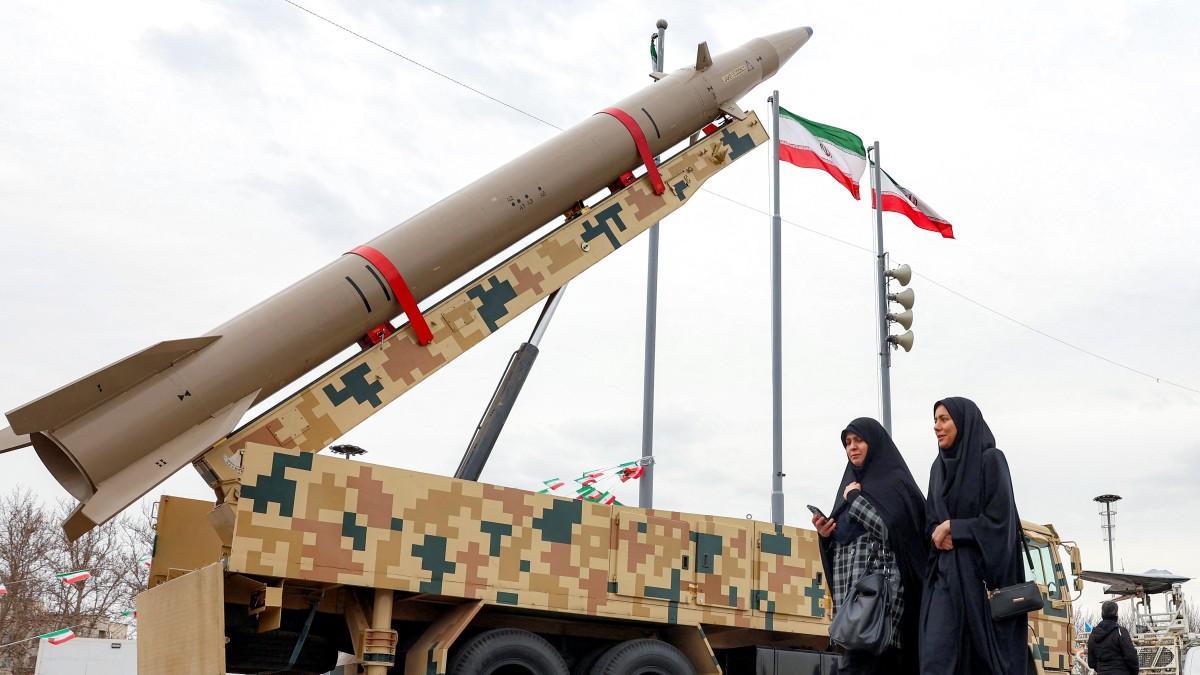
Iran’s Supreme Leader, Mojtaba Khamenei, recently warned the United States and Israel against launching further attacks on Iranian territory. His statement came amid growing concerns that the conflict could intensify if negotiations fail.
Meanwhile, President Donald Trump has maintained that the United States still has military objectives to address in Iran, including potential targets connected to the country’s nuclear programme.
These developments have placed the region in a delicate situation, with diplomacy and military pressure taking place simultaneously.
Iran issues warning over possible attacks
Iranian Supreme Leader Mojtaba Khamenei has warned that any renewed military or terrorist attacks against the country would receive a response from Iranian armed forces.
A statement attributed to him said Iran would determine the timing and conditions of any response.
The warning was issued during a period of heightened military readiness, with senior Iranian military commanders reportedly meeting to discuss national security.
Iranian military authorities have also indicated that their forces are prepared for different scenarios should hostilities resume.
Tehran’s position is that further attacks would create a wider regional security crisis.
The warning reflects Iran’s determination to discourage another military confrontation while strengthening its position in ongoing negotiations.
Trump maintains military options remain available
President Donald Trump has continued to warn that the United States could undertake further military operations against Iran.
According to CBS News reporting published November 1, Trump said the United States still had one or two targets to address, including a suspected nuclear facility.
His remarks came while diplomatic discussions were continuing through regional mediators.
Secretary of State Marco Rubio also indicated that the administration had not made a final decision about restarting military operations.
However, he said the United States retained the military capability to respond if necessary.
The statements highlight Washington’s approach of maintaining military pressure while allowing negotiations to continue.
Strait of Hormuz becomes a major security concern
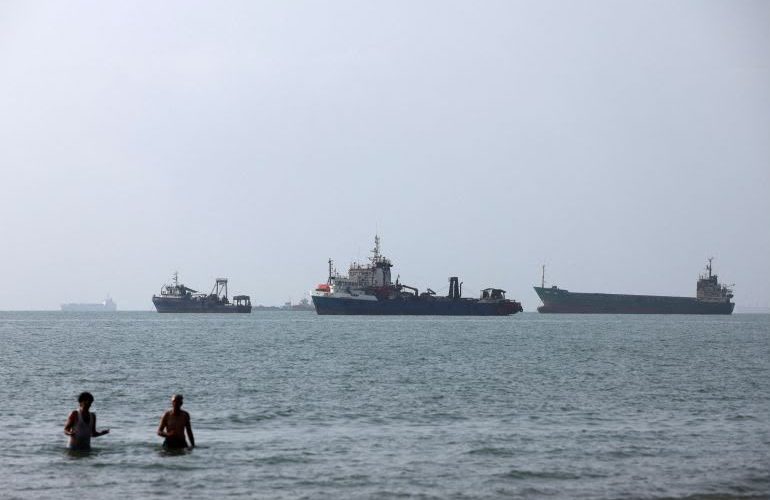
The Strait of Hormuz remains one of the most sensitive areas in the conflict.
The narrow waterway is strategically important because a substantial share of internationally traded petroleum passes through the surrounding region.
Any serious disruption can affect international energy markets and create uncertainty for shipping companies.
The United States has maintained a maritime blockade targeting Iranian ports, while Iran has continued to challenge the restrictions.
According to US Central Command figures reported by CBS News, American forces had redirected 144 vessels under the blockade.
Iran has also reported incidents involving commercial vessels travelling through routes it considers unauthorized.
The competing maritime measures have increased concerns about the safety of international shipping.
Commercial shipping faces growing uncertainty
Shipping companies operating in the Gulf face difficult decisions as tensions continue.
Vessels travelling through the Strait of Hormuz must consider security warnings, insurance costs and possible delays.
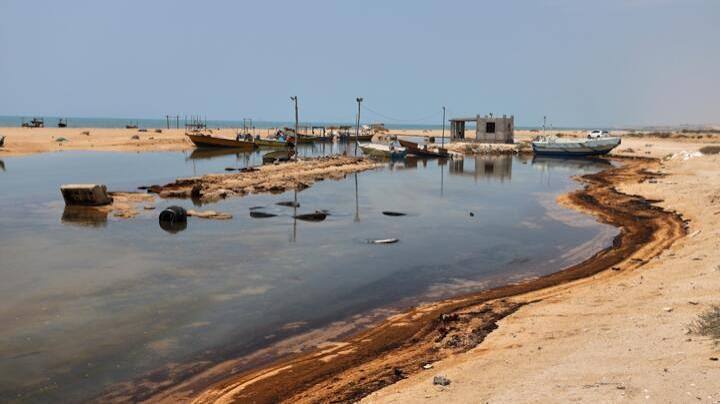
Reports of ships encountering mines or being struck by projectiles have added to the uncertainty.
Iranian authorities have claimed that some vessels experienced incidents after entering routes they consider unsafe. These claims have not all been independently verified.
The United Kingdom Maritime Trade Operations organisation has also reported maritime security incidents in the region.
The situation demonstrates how military tensions can affect commercial activities far beyond the immediate conflict zone.
“Tensions between Iran and the United States remain high as both countries continue to exchange warnings while diplomatic…”
Global oil markets remain vulnerable
The confrontation has important consequences for international energy markets.
The Middle East remains a major source of global petroleum supplies, and uncertainty surrounding the Strait of Hormuz can influence oil prices.
If shipping restrictions continue, countries that depend heavily on imported petroleum could experience higher costs.
Transport companies may face increased insurance premiums and longer shipping routes. Manufacturers could also experience higher production costs if energy prices remain elevated.
African countries that import refined petroleum products could face additional economic pressure through higher fuel and transportation expenses.
For households, rising fuel prices can contribute to higher food prices and increased living costs.
Regional governments call for peace
Several governments across the Middle East have expressed concern about the possibility of renewed fighting.
The United Arab Emirates has indicated that it hopes diplomatic efforts will produce a breakthrough, although officials have also acknowledged the need to prepare for further instability.
Saudi Arabia and Egypt have also emphasized the importance of preventing another major escalation.
Regional leaders understand that a wider conflict could affect neighbouring countries, international trade and the security of important maritime routes.
The diplomatic efforts led by Qatar are therefore receiving considerable attention.
Diplomatic negotiations continue despite military threats
Despite the strong statements from both sides, diplomatic communication has not completely stopped.
Iranian officials have continued consultations with regional mediators, particularly Qatar, regarding proposals to reduce tensions and reopen the Strait of Hormuz.
The United States has also indicated that it remains interested in finding a diplomatic solution.
However, both governments have different expectations about what an agreement should include.
Iran wants the naval blockade lifted, sanctions eased and guarantees against renewed attacks.
Washington wants Iran’s nuclear programme addressed and expects meaningful security commitments.
These differences make a comprehensive agreement difficult to achieve.
What could happen in the coming days?
The situation remains uncertain as diplomatic discussions continue and military forces remain on alert.
The November 3 US midterm elections are also an important political date in the immediate diplomatic environment. President Trump has said the United States will not launch attacks before the elections, although he has not ruled out military action afterward.
The next developments will depend on whether mediators can help both sides agree on practical steps.
The reopening of the Strait of Hormuz, the future of economic sanctions and arrangements concerning Iran’s nuclear programme are likely to remain central issues.
For the international community, the priority is preventing another escalation that could affect millions of people.
While neither side has announced a final settlement, continuing diplomatic engagement provides a channel through which tensions might be reduced.
The coming days will be important for determining whether the two countries move closer to an agreement or face another period of confrontation.