
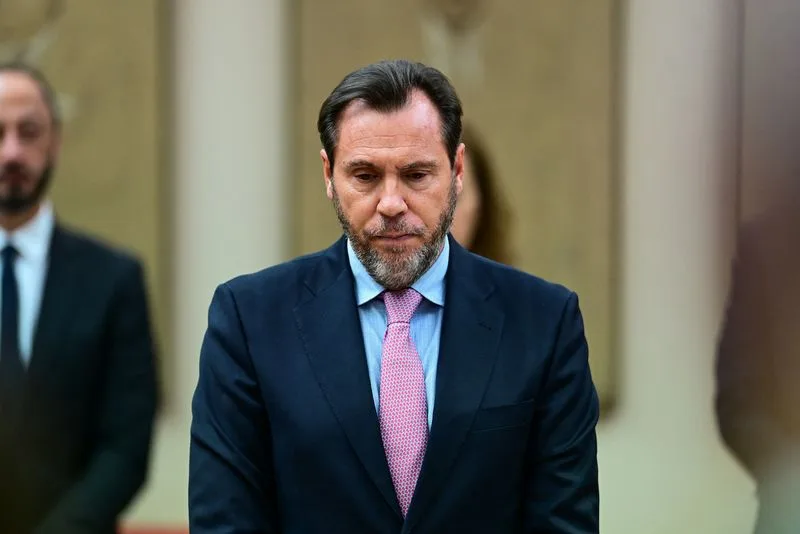
Spain’s Transport Minister, Óscar Puente, is facing mounting political pressure following a devastating railway accident that has raised serious concerns about railway safety, infrastructure maintenance and government accountability. The disaster has intensified demands for his resignation, with opposition politicians questioning whether the government has done enough to protect passengers using the country’s railway network.
The accident, which reportedly claimed at least 69 lives, has become a major national issue, placing the Transport Ministry under intense scrutiny. Although Puente has faced calls to step down, Prime Minister Pedro Sánchez’s government has ruled out his resignation or dismissal, insisting that he should remain in office while investigations continue.
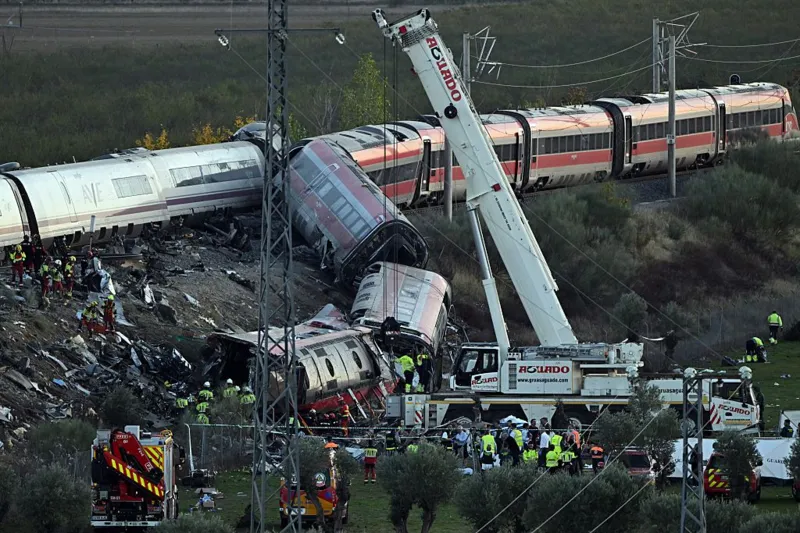
The incident has also renewed public debate about the safety of Spain’s high-speed railway system, which is one of the most extensive in Europe.
Who is Óscar Puente?
Óscar Puente Santiago was born in Valladolid, Spain, in 1968. He is a Spanish politician and member of the Spanish Socialist Workers’ Party (PSOE). Before joining the national government, he built his political career through local administration and served as mayor of Valladolid between 2015 and 2023.
Puente studied law at the University of Valladolid and worked as a lawyer before becoming fully involved in politics. His experience in public administration helped establish his position within the Socialist Party.
In November 2023, Prime Minister Pedro Sánchez appointed him Minister for Transport and Sustainable Mobility. His responsibilities include overseeing railway infrastructure, road transport, aviation policies and public mobility programmes.
His appointment came at an important time for Spain, as the government continued investing in transport infrastructure and improving connections between major cities.
However, his leadership has now come under significant pressure following the railway disaster.
Deadly railway accident raises safety concerns
The railway accident has raised serious questions about the effectiveness of Spain’s railway safety systems.
Reports indicate that the collision involved trains operated by Renfe and Iryo along the Madrid-Seville railway corridor. Investigators have been examining technical and operational circumstances surrounding the incident, including possible problems with railway signalling and communication systems.
The tragedy has shocked the country, particularly because it follows another serious railway accident in January 2026, near Adamuz in Córdoba, which reportedly killed 46 people.
The occurrence of two major railway disasters within the same year has increased public concern about railway management and infrastructure maintenance.
Passengers, railway workers and families affected by the accidents are demanding clear explanations about what happened and what measures will be introduced to prevent similar incidents.
Puente has faced questions about whether the railway network was adequately maintained and whether existing safety procedures were sufficient to prevent the collision.
Investigations remain important because responsibility cannot be established through political accusations alone. Authorities must determine whether technical failures, operational decisions, maintenance problems or other factors contributed to the disaster.
Political pressure and calls for resignation
Following the accident, opposition politicians have intensified criticism of the Transport Ministry, arguing that the minister must accept political responsibility for the condition of the railway network.
Some critics believe that the seriousness of the disaster makes Puente’s continued leadership difficult to justify. They have demanded greater accountability and questioned whether the government has responded adequately to previous railway safety concerns.
The controversy has also created difficulties for Prime Minister Pedro Sánchez, whose administration must balance political accountability with the need to manage the emergency.
Puente, however, has rejected the suggestion that resignation is the best response. His position is that the priority should be establishing the facts, supporting victims and introducing improvements to railway safety.
The minister reportedly made his position available to the prime minister, but Sánchez declined to remove him from office.
As of 3 November 2026, the government maintains that Puente will remain Transport Minister. Therefore, despite the growing political controversy, he has not officially resigned.
Government considers railway safety improvements
The Spanish government is facing increasing pressure to introduce stronger measures to protect railway passengers.
Among the priorities being discussed are improvements to signalling technology, better maintenance programmes, increased staffing at railway control centres and stricter procedures when technical problems occur.
One important issue is the implementation of the European Rail Traffic Management System (ERTMS). This technology is designed to improve communication between trains and railway control centres while strengthening monitoring and operational safety.
“Spain’s Transport Minister, Óscar Puente, is facing mounting political pressure following a devastating railway accident that has raised…”
Its wider implementation could help reduce risks associated with signalling failures and improve coordination across railway networks.
However, introducing these improvements will require significant investment and cooperation between government authorities, railway operators and transport regulators.
The government must also ensure that railway employees receive adequate training and that technical problems are addressed before trains return to normal operations.
Public confidence in Spain’s transport system
The disaster has affected public confidence in Spain’s railway system, which plays an important role in the country’s economy.
High-speed trains connect major cities and provide transport for millions of passengers every year. They support tourism, business activities and daily travel while offering an alternative to private vehicles and air transport.
For this reason, railway safety is not only a government responsibility but also an important part of national economic development.
Families affected by the disaster want justice, reliable information and appropriate compensation. Railway workers are also calling for improved working conditions and dependable safety equipment.
Restoring public confidence will require more than government statements. Authorities must demonstrate that investigations are independent, findings are made public and recommended improvements are implemented.
What happens next?
The future of Óscar Puente’s political position will depend partly on the findings of the ongoing investigations and the government’s response to public concerns.
Although opposition parties continue demanding his resignation, Prime Minister Sánchez has maintained his support for the minister.
The coming weeks will therefore be important for both the Transport Ministry and the wider Spanish government.
Investigators must establish the circumstances surrounding the accident, while authorities must ensure that victims and their families receive appropriate support.
The government will also need to explain how it intends to strengthen railway infrastructure and prevent further tragedies.
Conclusion
Spain’s railway disaster has become a major political and public safety challenge for Transport Minister Óscar Puente. The tragedy has raised difficult questions about infrastructure maintenance, railway management and government accountability.
Although calls for his resignation continue, the Spanish government has ruled out his departure and expects him to remain responsible for the transport sector.
Ultimately, the most important issue is ensuring that passengers can travel safely and that those affected by the tragedy receive justice and support.
For Puente, restoring confidence in Spain’s railway system will be a defining test of his leadership.