
International efforts to address Russia’s war against Ukraine have entered another uncertain phase as Ukrainian President Volodymyr Zelenskyy engages American and European representatives amid disagreements over military assistance, security guarantees and the conditions required for a lasting peace agreement.
The latest diplomatic activity highlights the difficult position facing Ukraine as it attempts to maintain international support while defending its territory against continuing Russian attacks. Washington remains an influential player in negotiations, but differences between the American and Ukrainian governments have complicated efforts to establish a common approach.
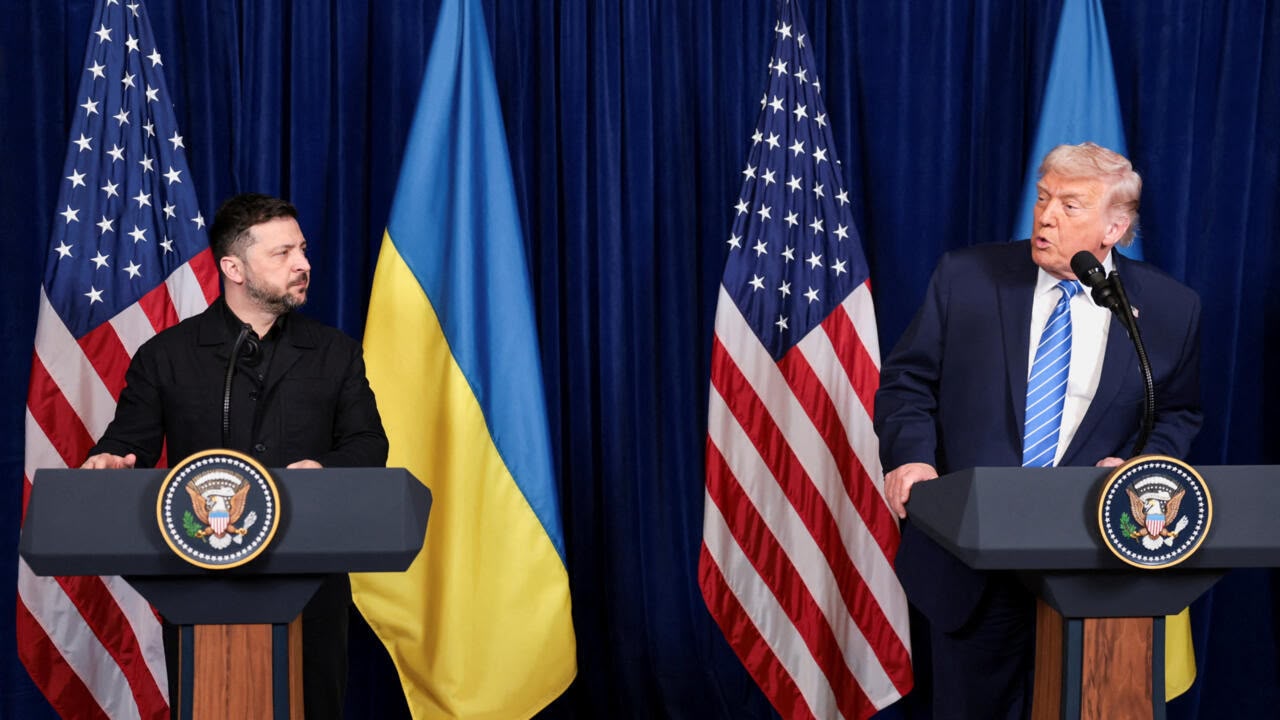
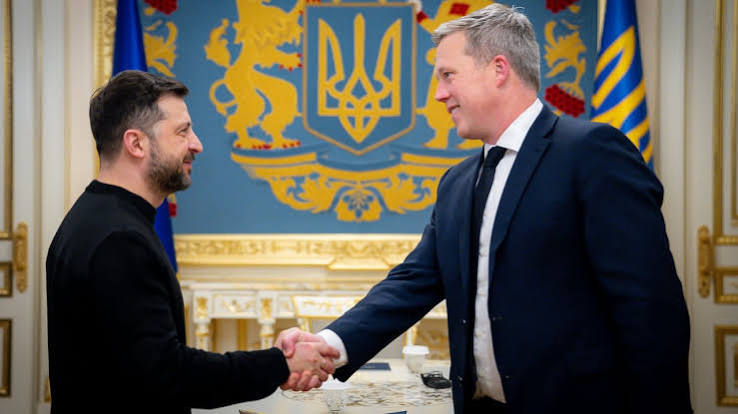
On Tuesday, Zelenskyy travelled to Oslo for discussions involving US special envoy Steve Witkoff and Nordic leaders. The meetings come at a critical moment for European security, with governments examining how to prevent further escalation and provide Ukraine with credible protection against future aggression.
Diplomatic discussions intensify
According to Reuters, Zelenskyy’s discussions with American and European representatives are intended partly to repair strained relations with Washington. Disagreements have emerged over the level of support available to Kyiv and the approach the United States should take towards Moscow.
US President Donald Trump has urged Ukraine to pursue a settlement, while his administration has faced criticism from Ukrainian officials and some European allies over decisions affecting military assistance and relations with Russia.
For Kyiv, negotiations cannot be separated from the question of national security. Ukrainian leaders have repeatedly argued that any agreement must protect the country’s sovereignty and prevent Russia from using a ceasefire to prepare for another military offensive.
Moscow, meanwhile, continues to pursue its own political and territorial objectives. The opposing positions leave negotiators with difficult questions about occupied territory, military deployments, sanctions and international guarantees.
Although meetings can create opportunities for progress, diplomatic engagement alone does not establish that a peace agreement is close.
Military assistance remains important
Military support is a central issue in the negotiations. Ukraine has relied on international partners for air defence equipment, ammunition, intelligence and other resources needed to resist Russian attacks.
The Associated Press reported that Zelenskyy announced the restoration of an early-warning system for Russian missile attacks following a conversation with US Secretary of State Marco Rubio. The development was significant after Ukrainian officials raised concerns about interruptions to warnings that help authorities prepare for incoming attacks.
Early-warning information can give civilians time to seek shelter and allow military personnel to prepare defensive measures. However, warnings cannot prevent every strike, and air defence systems remain important in reducing the damage caused by missiles and drones.
Ukraine is also seeking continued cooperation with European partners. European governments face pressure to provide assistance while managing their own defence requirements and domestic political debates.
The future of international military support will influence Ukraine’s negotiating position and its ability to protect population centres and critical infrastructure.
Europe considers long-term security
European leaders are increasingly concerned about the consequences of an agreement that fails to provide effective protection against renewed conflict.
Security guarantees are therefore an important part of discussions. Such guarantees could involve long-term military assistance, intelligence cooperation, defence planning or other commitments intended to discourage another attack.
The precise arrangements remain a matter for negotiation. Different governments may disagree about the level of responsibility they are prepared to accept, particularly if an agreement requires them to respond to future violations.
“International efforts to address Russia’s war against Ukraine have entered another uncertain phase as Ukrainian President Volodymyr Zelenskyy…”
For European countries, the conflict also raises broader questions about defence spending, NATO cooperation and the future balance of power on the continent.
Nordic governments have a particular interest in regional security because of their geographic proximity to Russia and their participation in European defence arrangements. Their involvement in diplomatic discussions reflects the wider implications of the war.
Humanitarian consequences continue
Behind the negotiations are millions of people whose lives have been affected by the conflict. Russian attacks have damaged residential areas, energy facilities and other infrastructure, while displacement has placed pressure on communities in Ukraine and neighbouring countries.
Disruptions to electricity and heating can create additional difficulties for families, especially during colder weather. Schools, hospitals and businesses also require stable infrastructure to operate effectively.
Humanitarian agencies face continuing demands for shelter, medical assistance, food and support for displaced people. Even if negotiations produce a temporary ceasefire, rebuilding damaged communities will require substantial financial resources and long-term planning.
The protection of civilians must remain central to diplomatic efforts. Any arrangement that reduces attacks, facilitates humanitarian access and allows displaced families to return safely would represent an important step towards reducing human suffering.
What the negotiations mean for Africa
Developments in Ukraine can also affect African economies. Changes in international energy markets, shipping costs, agricultural trade and government spending may influence countries thousands of kilometres from the battlefield.
Many African countries are sensitive to fluctuations in fuel prices and the cost of imported food. Prolonged instability can complicate economic planning and place additional pressure on households already dealing with high living costs.
Uganda and other regional economies must therefore monitor international developments while continuing to focus on domestic priorities such as agriculture, infrastructure, employment and trade.
Conclusion
Ukraine’s latest diplomatic engagements demonstrate both the importance and the difficulty of international negotiations. The involvement of American and European representatives offers opportunities for dialogue, but disagreements over territory, military assistance and future security remain significant obstacles.
A sustainable settlement will require more than an announcement or temporary pause in fighting. It will need arrangements that address security concerns, protect civilians and provide a credible basis for lasting peace.
Editorial note: This is an independently written news feature based on published reporting.