
United States President Donald Trump has said that Washington is holding discussions with Russia and China aimed at reducing nuclear weapons, raising the possibility of renewed diplomatic efforts to control the world’s largest nuclear arsenals.
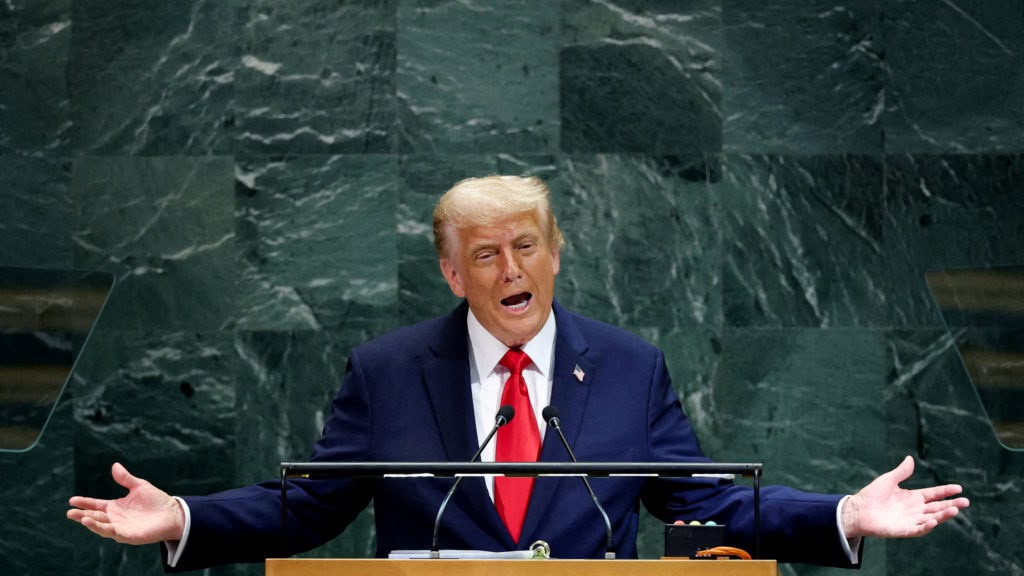
Trump made the remarks during an interview with the American broadcaster Newsmax on Thursday, October 15, 2026. His comments come at a time of growing international concern about nuclear weapons, strategic competition and the future of arms-control agreements between major powers.
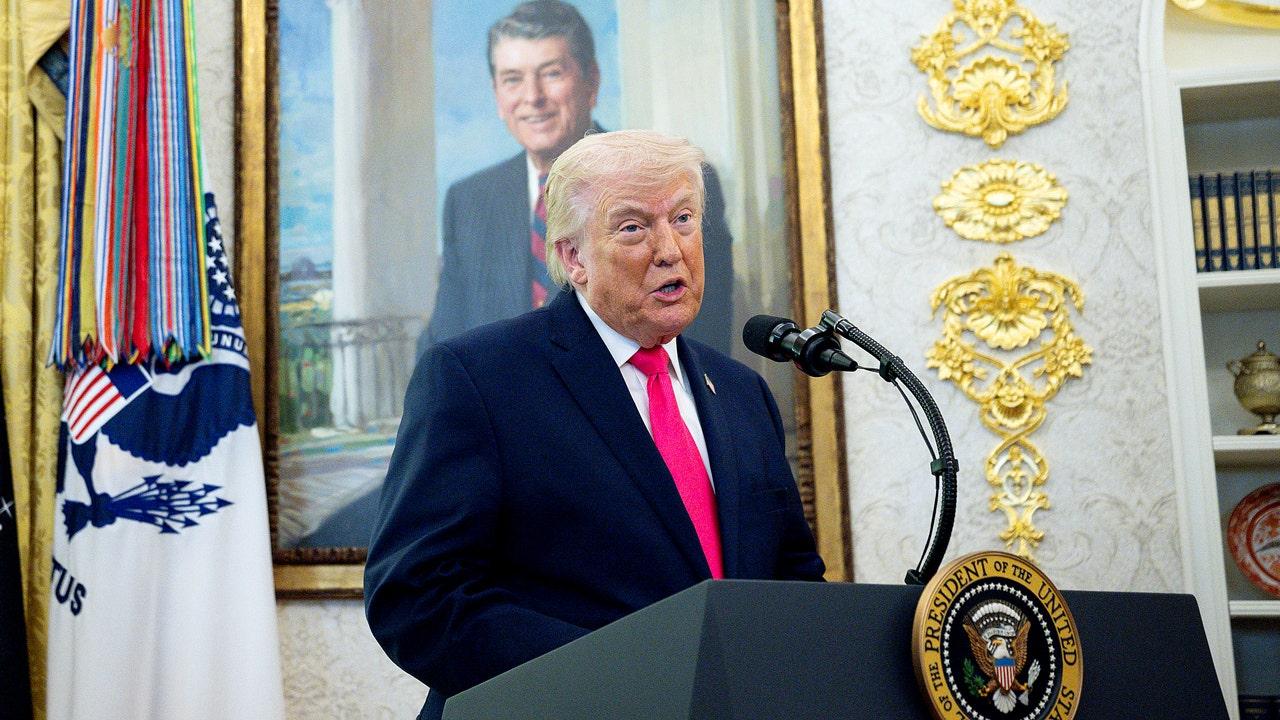
According to Reuters, Trump said he wanted the three countries to pursue denuclearisation, although he did not provide detailed information about the discussions or identify specific agreements under consideration.
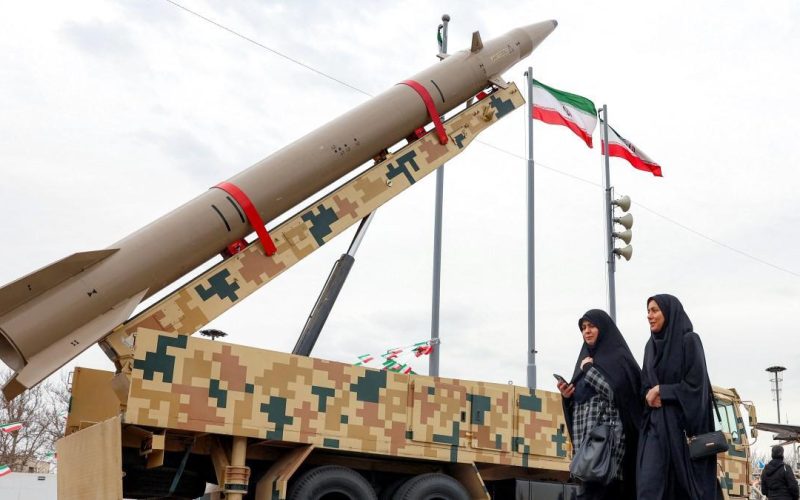
The announcement has drawn attention because the United States, Russia and China possess the world’s largest nuclear arsenals. Any meaningful reduction in their weapons could have important consequences for international security.
Trump Calls for Nuclear Disarmament
During the Newsmax interview, Trump expressed his desire to reduce nuclear weapons and confirmed that discussions with Moscow and Beijing were taking place.
“The whole thing is a shame, because I’d love to denuclearize if possible, but we’re actually talking to Russia about that, and we’re talking to China about that denuclearization,” Trump said, according to Reuters.
The statement suggests that the US president wants nuclear disarmament to remain part of Washington’s diplomatic agenda. However, he did not publicly outline a timetable, proposed limits or a formal negotiating framework.
Trump also expressed concern about China’s expanding nuclear capabilities. He said he expected China to catch up with the United States within the next five years.
Newsmax reported that Trump had spoken with Chinese President Xi Jinping about denuclearisation. However, the available reporting did not provide detailed accounts of the discussions or establish whether Beijing had agreed to participate in formal arms-reduction negotiations.
Consequently, the announcement indicates a stated interest in discussions rather than a confirmed agreement to reduce nuclear stockpiles.
Why the Three Countries Matter
The United States, Russia and China are central to global nuclear security because of the size of their arsenals and their influence in international affairs.
According to the Stockholm International Peace Research Institute, Russia has the largest total inventory of nuclear warheads, followed by the United States and China. The ranking differs when considering deployed weapons, with the United States having more deployed warheads than Russia, according to the Reuters report.
Nuclear weapons are designed to deter attacks by threatening devastating retaliation. Governments that possess them often argue that maintaining credible deterrence protects their national security.
However, large nuclear arsenals also create risks. Miscommunication, technical failures, inaccurate intelligence or escalating military confrontations could increase the possibility of a nuclear crisis.
Arms-control agreements seek to reduce these dangers by establishing limits, verification procedures and communication channels between governments.
Negotiations involving all three countries would be particularly complex because their nuclear capabilities, security priorities and military strategies differ.
The Expiration of the New START Treaty
Trump’s remarks follow the expiration earlier in 2026 of the New Strategic Arms Reduction Treaty, commonly known as New START.
The agreement was signed by the United States and Russia in 2010. It placed limits on deployed strategic nuclear warheads and delivery systems and included verification arrangements intended to improve transparency between the two countries.
The treaty was extended once for five years under former US President Joe Biden and Russian President Vladimir Putin. With that extension expired, a new executive decision or agreement would be needed to establish replacement limits.
The end of New START has raised concerns about the future of nuclear arms control, particularly because Washington and Moscow possess such large arsenals.
“I'd love to denuclearize if possible, but we're actually talking to Russia about that, and we're talking to…”
Without a replacement arrangement, the two countries face fewer treaty-based restrictions on their strategic nuclear deployments. The absence of agreed limits could also make it more difficult to monitor military developments and build confidence between the governments.
A new agreement could potentially establish updated limits, strengthen verification and address changes in military technology. However, reaching such an agreement would require negotiations over the scope of restrictions, compliance and the wider security concerns of each participant.
Challenges Facing Nuclear Negotiations
Although Trump has expressed interest in discussions, several obstacles could complicate efforts to achieve nuclear disarmament.
First, the three governments have different security priorities. Russia and the United States have long histories of nuclear arms-control negotiations, while China has a smaller but expanding arsenal and may have different views about the limits it should accept.
Second, the countries would need to agree on how any reductions would be measured and verified. Nuclear agreements generally depend on reliable information about weapons, delivery systems and compliance with negotiated limits.
Third, wider geopolitical tensions could affect negotiations. Disagreements over military deployments, regional conflicts, sanctions and national security commitments may make governments reluctant to reduce their strategic capabilities.
Finally, a public statement expressing support for denuclearisation does not itself establish a binding commitment. Any agreement would require further negotiations and clearly defined terms.
These challenges mean that progress would depend on sustained diplomatic engagement rather than statements alone.
Implications for Global Security
If the United States, Russia and China were able to reach meaningful agreements, the consequences could extend beyond their own borders.
Other countries would closely watch the negotiations because decisions by the major nuclear powers influence global security calculations. Progress could strengthen confidence in international efforts to prevent nuclear conflict.
Conversely, a failure to establish new arrangements could intensify concerns about an expanding arms race. Governments might respond to uncertainty by increasing military spending or modernising their nuclear forces.
Nuclear disarmament does not necessarily mean that every weapon would be eliminated immediately. Negotiations can also focus on reducing deployed warheads, limiting delivery systems, improving transparency and lowering the risk of accidental escalation.
For smaller countries, including those in Africa, developments in nuclear arms control matter because major-power confrontations can affect international stability, trade, development priorities and humanitarian security.
Conclusion
President Donald Trump’s announcement that the United States is discussing nuclear disarmament with Russia and China has placed arms control back in the international spotlight.
His remarks indicate an expressed interest in reducing nuclear threats, but the available information does not confirm that the three countries have reached a formal agreement or established specific reduction targets.
The expiration of New START adds urgency to questions about how the major nuclear powers will manage their arsenals and maintain strategic stability.
The next important developments will be whether Washington, Moscow and Beijing confirm formal negotiations, outline concrete proposals and agree on ways to verify compliance.
Ultimately, progress towards nuclear disarmament will depend on whether the three governments can translate their stated intentions into practical, verifiable commitments that reduce nuclear risks and strengthen international security.
Sources and Reference
- United Nations Office for Disarmament Affairs. Information on nuclear disarmament and international arms-control agreements.
https://disarmament.unoda.org/
Editorial note: This article summarises reported statements and background information. Trump’s comments should not be interpreted as proof that a nuclear disarmament agreement has been reached.