
Russia’s President Vladimir Putin has agreed to allow European representatives to participate in the next round of negotiations aimed at ending the war in Ukraine, following high-level discussions with United States representatives in Moscow.
The development could represent an important change in the diplomatic process, particularly as European governments have repeatedly called for a greater role in decisions concerning Ukraine’s future and the security of the continent.
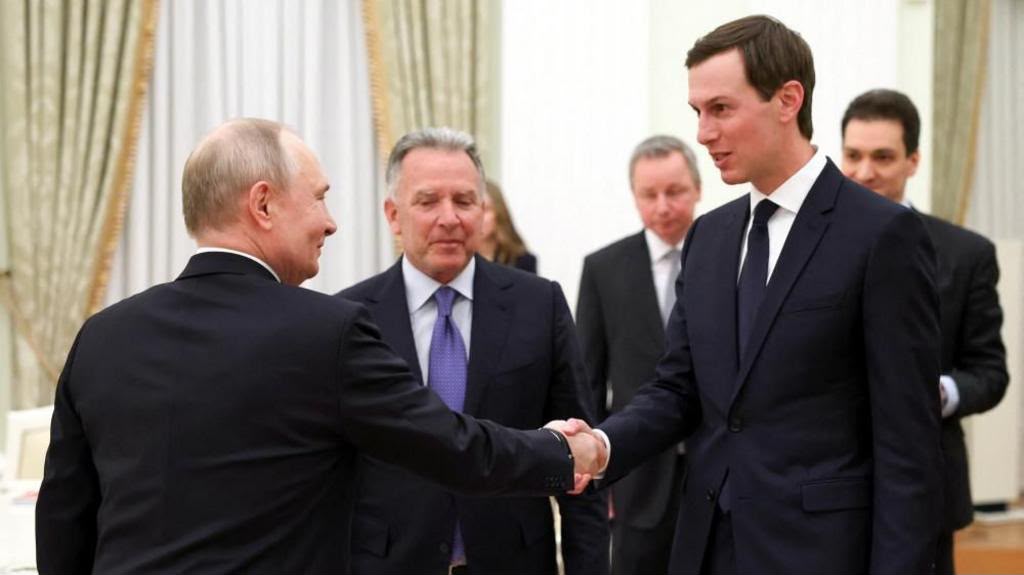
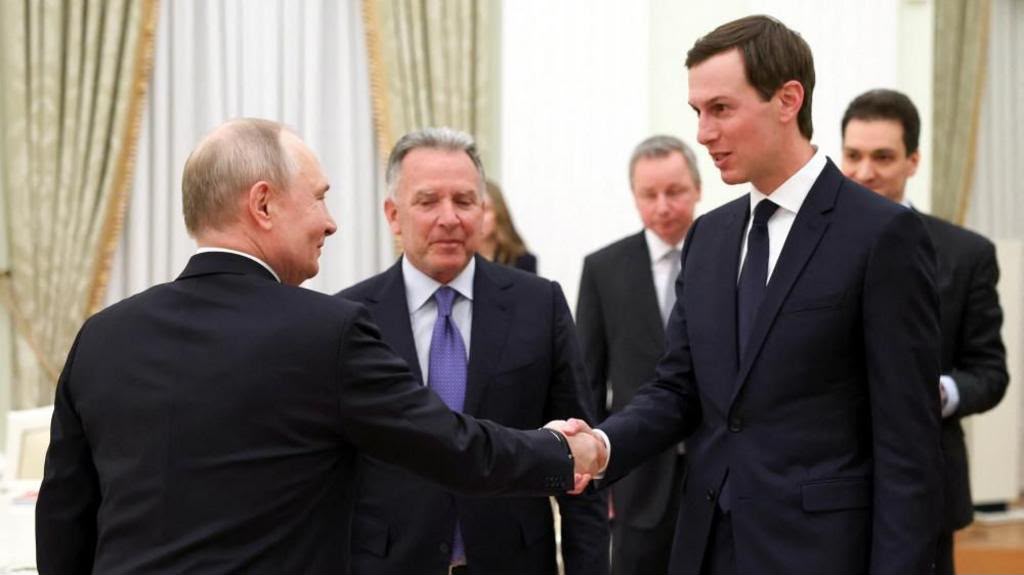
US special envoy Steve Witkoff announced the development on Thursday, November 12, following a meeting with Putin at the Kremlin. The discussions also involved Jared Kushner, who has been participating in Washington’s diplomatic efforts to secure a negotiated settlement to the conflict.
According to Reuters, Witkoff said European representatives would participate in the next round of discussions, potentially expanding negotiations that have largely involved Russia, Ukraine and the United States.
The meeting followed two days of US-mediated negotiations between Russian and Ukrainian representatives in Abu Dhabi, United Arab Emirates. Although those discussions produced progress towards another major prisoner exchange, they did not resolve the central disagreements preventing a comprehensive peace agreement.
The latest diplomatic developments have therefore raised cautious hopes about the possibility of broader negotiations, although significant obstacles remain.
European involvement could change the negotiations
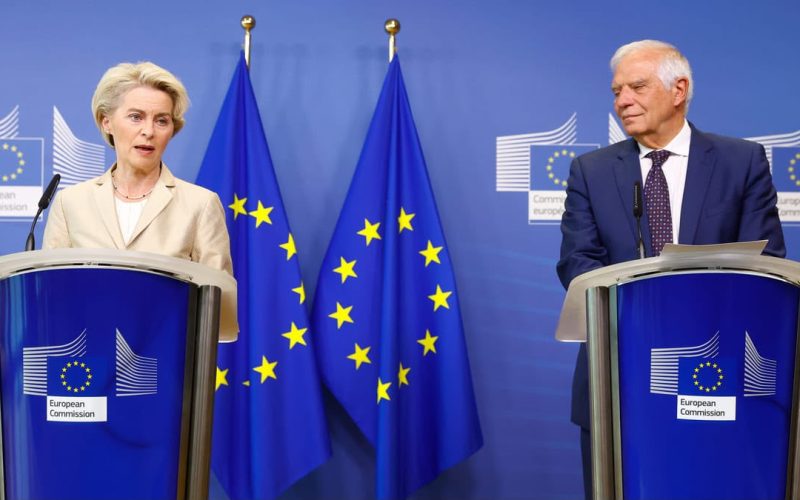
European governments have consistently argued that they should have a meaningful role in negotiations concerning Ukraine because the consequences of the conflict extend beyond the two countries directly involved.
Since Russia launched its full-scale invasion in February 2022, European countries have provided Ukraine with financial assistance, military support and humanitarian aid.
The conflict has also reshaped European security policies, increased defence spending and encouraged governments to reconsider their military preparedness.
Allowing European representatives into the next round of discussions could provide an opportunity to address concerns about the continent’s long-term security.
European leaders are particularly interested in ensuring that any agreement includes credible arrangements capable of preventing another Russian invasion.
However, Moscow has repeatedly criticised European governments for supporting Ukraine and imposing economic restrictions on Russia.
Following the Moscow meeting, the Kremlin’s position remained cautious. Russian officials have questioned whether European governments genuinely want a peaceful settlement.
This disagreement demonstrates that expanding the negotiating table will not automatically produce an agreement.
Abu Dhabi negotiations produced limited progress
The Moscow meeting followed discussions in Abu Dhabi involving representatives from Russia, Ukraine and the United States.
The negotiations were important because they marked the resumption of direct US-mediated trilateral discussions after a nine-month interruption.
Although the parties reported some progress, disagreements remained over territory, security arrangements and the future relationship between Russia and Ukraine.
One of the most significant developments involved plans for another major prisoner-of-war exchange.
Jared Kushner described the humanitarian progress as important, highlighting the possibility of reuniting prisoners with their families.
Such exchanges can help build confidence between opposing parties, particularly after years of fighting.
However, humanitarian agreements are different from a comprehensive peace settlement.
The parties still need to resolve fundamental political disagreements before a lasting agreement can become possible.
Washington has therefore continued engaging with both governments in an attempt to identify areas where compromise might be achieved.
Territory remains the biggest obstacle
One of the most difficult issues concerns the eastern Ukrainian region of Donbas.
Russia has continued demanding that Ukraine surrender the remaining territory it seeks to control in the region as part of a possible settlement.
Ukraine has rejected those demands, maintaining that it will not voluntarily surrender its territory.
For Kyiv, accepting such conditions could undermine the country’s sovereignty and create serious concerns about future national security.
For Moscow, territorial demands remain central to its negotiating position.
The disagreement creates a major obstacle because both governments consider the issue fundamental to their national interests.
Even if negotiators establish a temporary ceasefire, they will still need to determine how territorial disputes will be addressed.
They must also agree on arrangements for monitoring any ceasefire and preventing renewed military confrontation.
Without meaningful progress on these questions, a comprehensive peace agreement could remain difficult to achieve.
Security guarantees remain central to Ukraine’s position
Ukraine wants international security guarantees that would reduce the possibility of another Russian invasion after any potential settlement.
The issue has become increasingly important as Kyiv considers the consequences of ending the fighting without sufficient protection against future military aggression.
“Russia’s President Vladimir Putin has agreed to allow European representatives to participate in the next round of negotiations…”
Ukrainian officials want assurances that international partners will respond if Russia violates an eventual agreement.
European governments are also interested in the security arrangements because any settlement could affect NATO, the European Union and the wider regional balance of power.
Russia, meanwhile, has repeatedly raised concerns about NATO’s military presence and expansion in Eastern Europe.
Moscow has argued that future European security arrangements should take Russian security interests into consideration.
These competing positions illustrate why negotiations involve more than simply agreeing to stop fighting.
The parties must also consider what the political and military environment will look like after the war.
Zelenskyy seeks concrete results from Washington
Ukrainian President Volodymyr Zelenskyy has continued engaging with international partners as diplomatic discussions develop.
The US representatives were expected to travel to Dublin, Ireland, following their Moscow meeting to brief the Ukrainian leader.
Zelenskyy has indicated that Washington’s discussions with Moscow should produce practical proposals rather than another round of diplomatic statements.
Ukraine remains concerned about the possibility of an agreement being reached without sufficient consideration of its national interests.
Kyiv also wants to ensure that European countries participate in discussions affecting the continent’s future security.
The Ukrainian government’s position reflects concerns that decisions made without adequate involvement from Kyiv could create difficulties when implementing a potential agreement.
For Ukraine, the priority remains ending the fighting without compromising its sovereignty or leaving the country vulnerable to future military aggression.
Europe’s security future at stake
The possibility of European participation could make the negotiations particularly significant for the future of international relations.
European governments have spent recent years strengthening defence cooperation and reviewing their security policies in response to Russia’s invasion.
Any agreement concerning Ukraine could influence NATO’s future responsibilities, European military spending and relations between Western governments and Moscow.
The negotiations could also raise questions about the future of economic cooperation between Russia and European countries.
However, European governments do not necessarily share identical positions on how relations with Moscow should develop.
Some countries place particular emphasis on military deterrence, while others have supported maintaining diplomatic channels to prevent further escalation.
Bringing these different perspectives into the negotiations could make discussions more complicated, but it could also help create a broader agreement.
For any settlement to be sustainable, the parties will need to address the security concerns of countries that could be directly affected by its implementation.
What happens next?
The Moscow discussions have produced a potentially important diplomatic development, with US envoy Steve Witkoff saying European representatives would join the next round of Ukraine peace negotiations.
Putin also proposed a joint humanitarian mission involving Russia and Ukraine to the eastern Ukrainian city of Kostiantynivka, according to Reuters reporting after the meeting.
The Kremlin described the discussions with the American representatives as useful, while further trilateral negotiations were expected to continue.
Nevertheless, major disagreements remain unresolved.
Ukraine continues rejecting Russia’s territorial demands, while Moscow maintains positions that Kyiv considers unacceptable.
The United States will also face the challenge of balancing its engagement with both sides while encouraging negotiations that can produce a sustainable settlement.
For European governments, the next stage will involve ensuring that their security concerns are represented in discussions about Ukraine’s future.
The coming diplomatic meetings could determine whether the latest developments become the foundation of a more serious peace process or another attempt that fails to overcome the fundamental disagreements.
For millions of people affected by the conflict, the ultimate measure of success will not be the number of diplomatic meetings held, but whether negotiations can finally produce lasting peace, security and stability.