

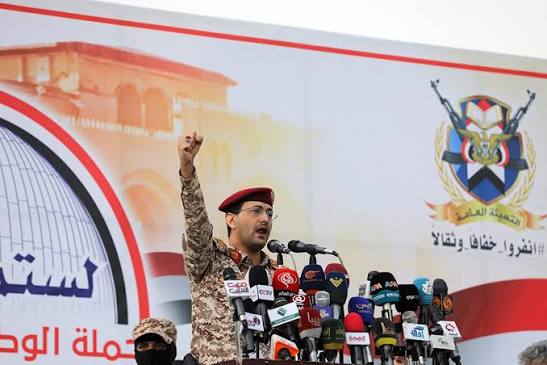
The latest reported violence highlights the continuing instability in a country that has endured years of political disagreements, military confrontations and economic difficulties.
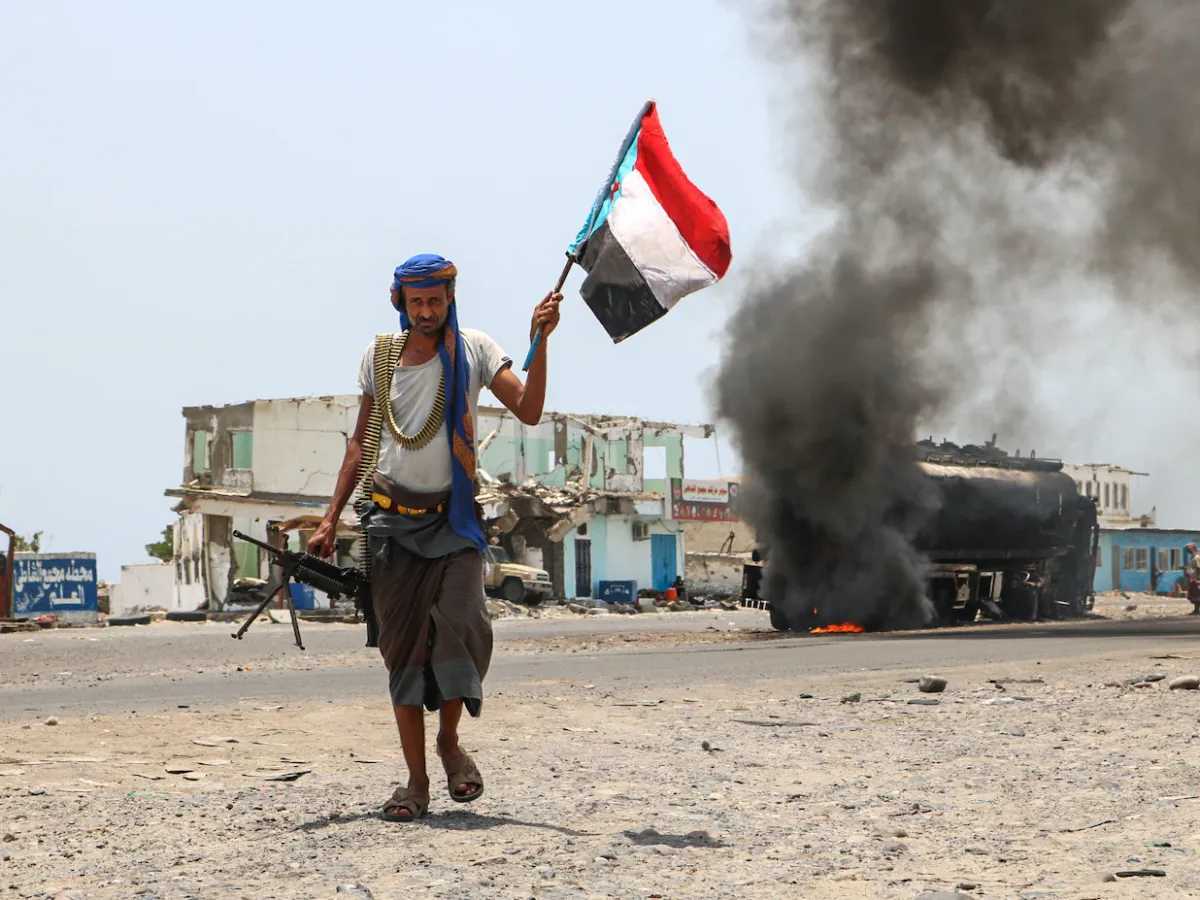
Reports of airstrikes and renewed attacks have increased fears that the fragile security situation could deteriorate further, undermining diplomatic efforts aimed at achieving a lasting political settlement.
Yemen has remained one of the most complicated conflicts in the Middle East since fighting intensified in 2014, when Houthi forces took control of the capital, Sanaa.
The developments triggered a wider political and military crisis involving the internationally recognised Yemeni government and a Saudi-led coalition that intervened in support of the government in 2015.
Over the years, the conflict has involved airstrikes, ground battles, missile attacks and political divisions that have weakened the country’s institutions.
Although diplomatic efforts have occasionally reduced hostilities, a comprehensive peace agreement has remained difficult to achieve.
The renewed violence has brought attention back to the humanitarian consequences of the conflict.
Millions of Yemenis have experienced food shortages, limited healthcare services and the destruction of essential infrastructure. Families in affected communities have struggled to obtain clean water, electricity and adequate shelter.
Children are among the most vulnerable victims of the crisis.
Many have experienced interrupted education, malnutrition and displacement. Some have grown up in communities where insecurity has become part of everyday life.
The destruction of healthcare infrastructure has created additional challenges. Hospitals and medical centres face shortages of medicines, equipment and qualified personnel.
When fighting intensifies, emergency medical services can become overwhelmed, particularly when large numbers of injured civilians require treatment.
Humanitarian organisations have repeatedly called for the protection of civilians and improved access to affected communities.
The situation also has implications beyond Yemen’s borders.
The country occupies a strategically important position near the Red Sea and the Gulf of Aden, two important maritime areas connecting international shipping routes.
Commercial vessels travelling through these waters transport goods between Asia, Europe and other international markets.
Any major security disruption can affect shipping operations and increase transportation expenses.
When shipping companies face additional security risks, they may choose alternative routes, resulting in longer journeys and higher operating costs.
These expenses can eventually affect international consumers through increased prices for imported products.
For African countries that depend on international shipping for fuel, food, machinery and manufactured goods, instability around major maritime routes can create additional economic pressure.
East African countries have a particular interest in developments around the Red Sea because of their geographical proximity and commercial connections with the wider Middle East.
The conflict is also linked to wider regional political tensions involving Iran and Saudi Arabia.
“Renewed military confrontations in Yemen are raising fresh concerns about the security situation in the Middle East, with…”
The Houthis have developed political and military relationships with Iran, while Saudi Arabia has significant security interests in Yemen.
These regional relationships have complicated efforts to negotiate a lasting settlement.
However, observers have repeatedly argued that the future of Yemen should not be determined exclusively by external powers.
A sustainable solution will require meaningful participation by Yemeni political representatives and communities.
The United Nations has an important role in supporting negotiations, encouraging humanitarian assistance and promoting arrangements that protect civilians.
Diplomatic engagement could help address political disagreements and establish conditions for rebuilding the country’s institutions.
Economic recovery will also be essential.
Years of conflict have damaged infrastructure, reduced employment opportunities and weakened public services.
Reconstruction will require investment in hospitals, schools, roads, electricity networks and water systems.
International partners could support these efforts through development assistance, technical cooperation and humanitarian programmes.
For ordinary Yemenis, however, the immediate priority remains peace.
Families want to live without fear of airstrikes, access healthcare and send their children to school.
Businesses need security to operate, while farmers require stable conditions to produce food.
Without lasting peace, these basic needs will remain difficult to achieve.
The international community must therefore intensify diplomatic efforts and encourage all parties to respect international humanitarian law.
The continuing crisis demonstrates that military confrontation alone cannot resolve deeply rooted political disagreements.
A sustainable settlement will require compromise, dialogue and a commitment to protecting civilian lives.
As Yemen faces another difficult period, the world must recognise that behind every conflict report are families whose lives and futures are directly affected.