
The European Union is preparing another round of economic sanctions against Russia, with new restrictions expected to target 50 banks and 150 additional entities as European governments intensify pressure on Moscow over its ongoing war against Ukraine.
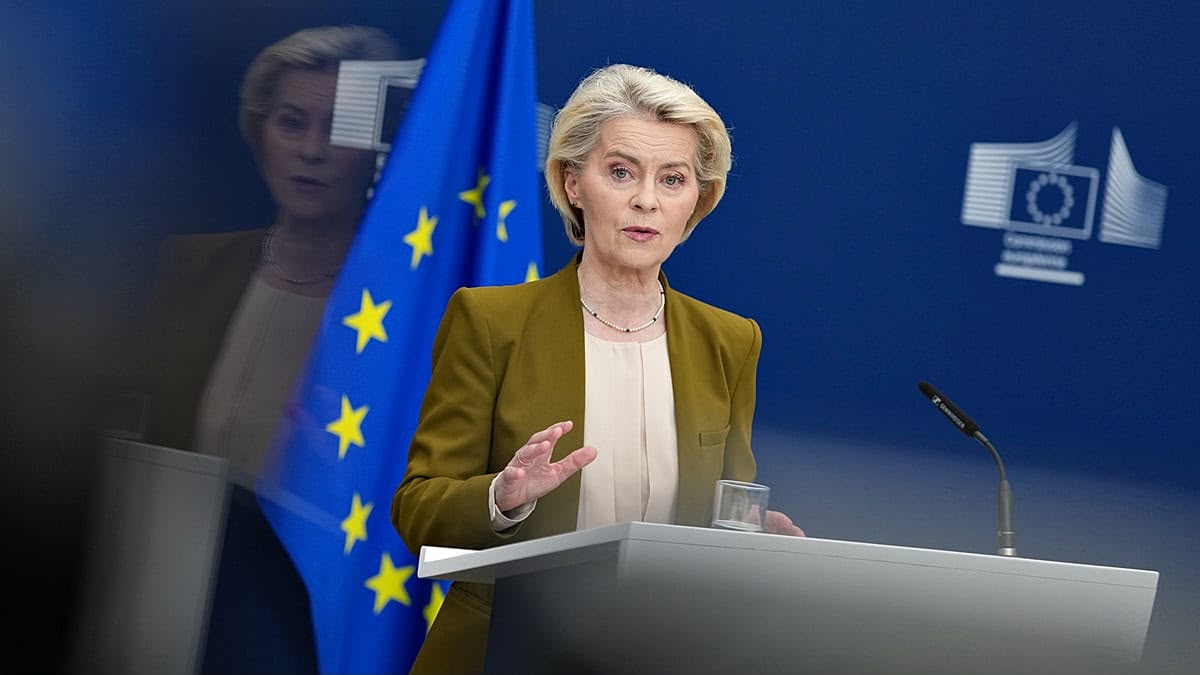
France’s Minister for European Affairs, Benjamin Haddad, announced the planned measures on Thursday, November 12, saying that EU member states were expected to approve the new sanctions on Monday, November 16.
The announcement represents another step in Europe’s efforts to restrict Russia’s access to international financial and commercial networks while maintaining support for Ukraine.
According to Reuters, France proposed most of the additional entities included in the planned package.
The announcement comes as diplomatic efforts to end the war are also receiving renewed attention, with American representatives holding discussions with Russian President Vladimir Putin in Moscow.
Although sanctions and negotiations are different instruments of international policy, their continued use demonstrates the difficult balance facing Western governments as they attempt to influence the course of the conflict.
France announces new sanctions initiative
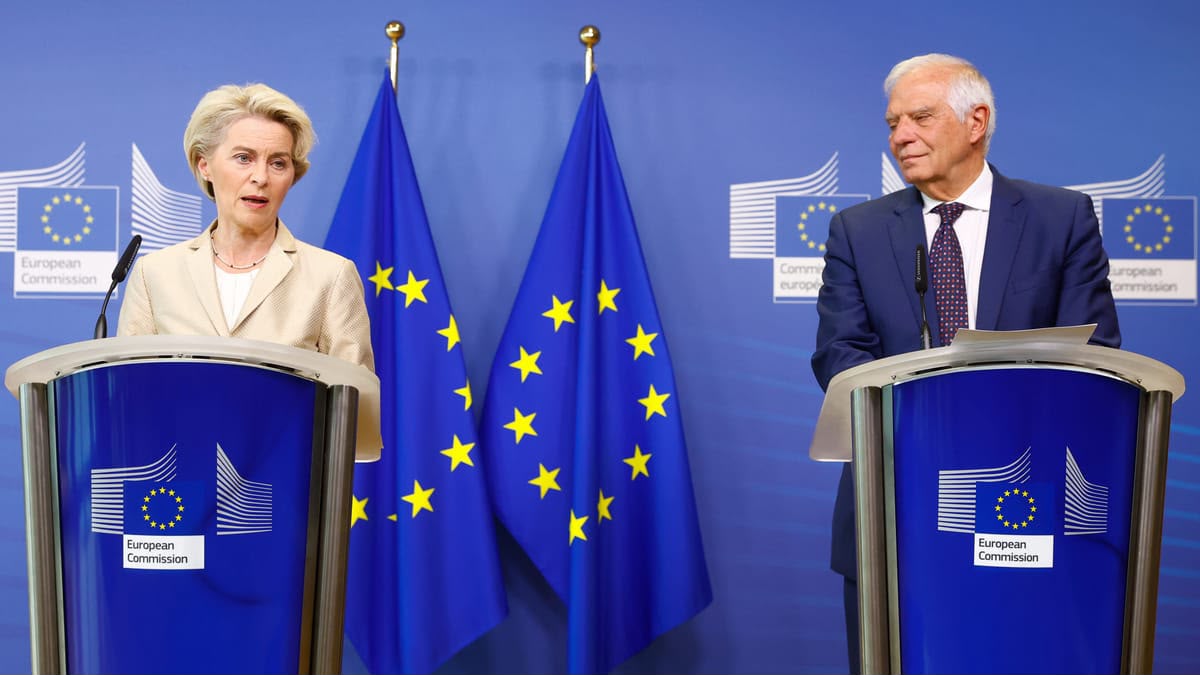
Speaking to French television channel LCI, Haddad confirmed that the European Union was preparing additional economic restrictions against Russia.
He said the proposed package would cover 150 additional entities and 50 banks.
France has reportedly proposed most of the entities that could be added to the sanctions lists.
Haddad also reiterated his country’s commitment to supporting Ukraine and maintaining economic pressure on the Russian government.
The announcement indicates that France wants the European Union to continue using financial and commercial restrictions as part of its response to the conflict.
For European governments, sanctions remain an important foreign policy instrument because they can restrict the activities of targeted individuals, businesses and financial institutions without requiring direct military confrontation.
However, the actual impact of any new restrictions will depend on the final list of targets, the implementation process and the ability of authorities to prevent sanctions evasion.
Why Russian banks are being targeted
Financial institutions play a significant role in international trade and economic activity.
Banks facilitate payments, support businesses and help companies move money between different markets.
Restrictions targeting Russian banks could therefore increase difficulties for institutions and businesses attempting to conduct international transactions.
The impact could extend beyond Russia because international companies may need to review their relationships with affected institutions to ensure that they comply with European sanctions requirements.
Businesses operating across borders are particularly exposed to regulatory changes because transactions involving sanctioned entities can create legal and financial risks.
Financial institutions may also need to strengthen their compliance procedures to identify transactions involving restricted individuals or organisations.
However, the consequences will depend on the specific banks included in the final package and the precise restrictions imposed on them.
Not every financial restriction has the same effect. Some measures may prohibit transactions, while others can limit access to particular financial services or business relationships.
Europe’s wider economic strategy against Moscow
Since Russia launched its full-scale invasion of Ukraine in February 2022, the European Union has introduced multiple sanctions packages.
These measures have targeted different parts of the Russian economy, including financial institutions, individuals, companies and certain categories of international trade.
The overall objective has been to increase the economic cost of the war and reduce Russia’s ability to obtain resources and technologies that could support its military operations.
European sanctions have also affected commercial relationships between Russia and Western countries.
Companies operating in international markets have had to reconsider business arrangements, supply chains and financial exposure to Russia.
The latest proposed package demonstrates that European governments remain prepared to use economic pressure even as diplomatic discussions continue.
For the EU, maintaining a coordinated sanctions policy is important because individual member states may have different economic relationships with Russia.
A common approach can help reduce the possibility of restrictions being weakened through disagreements between European governments.
France and Russia face another diplomatic dispute
The sanctions announcement comes amid rising tensions between France and Russia over the treatment of French journalists and lawmakers.
Haddad criticised Moscow’s decision to ban several French nationals from entering Russia.
Those affected included Ariane Chemin, a journalist working for French newspaper Le Monde, freelance journalist Paul Gogo and French lawmakers Sacha Houlie and Arthur Delaporte.
Haddad described the decision as intimidation and argued that the individuals were carrying out legitimate professional responsibilities.
French Foreign Minister Jean-Noel Barrot also criticised the Russian decision.
The disagreement adds another dimension to already difficult relations between Paris and Moscow.
“The European Union is preparing another round of economic sanctions against Russia, with new restrictions expected to target…”
The dispute is particularly significant because it involves media freedom, political representation and the treatment of foreign nationals.
Journalists covering international conflicts often operate in challenging environments, where access to information and the ability to report independently can become major issues.
For France, the restrictions raise concerns about the treatment of its citizens and the broader relationship between the two governments.
For Russia, the restrictions form part of a wider period of confrontation with Western governments over political and diplomatic issues.
What the sanctions could mean for international businesses
The proposed measures could create additional compliance challenges for companies operating in international markets.
Businesses involved in financial transactions with Russian organisations may need to establish whether their partners are included in the new restrictions.
International banks and payment service providers may also need to examine their exposure to affected institutions.
Companies that fail to comply with applicable sanctions regulations can face serious legal and financial consequences, depending on the jurisdiction involved.
The issue is especially important for multinational companies with operations across several countries because different jurisdictions can impose different restrictions.
European businesses also need to consider the wider commercial implications of sanctions, including supply-chain arrangements and the availability of alternative financial services.
The new measures could therefore influence commercial decisions beyond Russia itself.
However, it would be premature to conclude that the proposed package will immediately produce major changes in Russia’s economy.
The final effect will depend on the scope of the restrictions, the level of enforcement and how Russian businesses and international trading partners respond.
The relationship between sanctions and peace negotiations
One of the most important questions surrounding the latest sanctions is how economic pressure could affect diplomatic efforts to end the war.
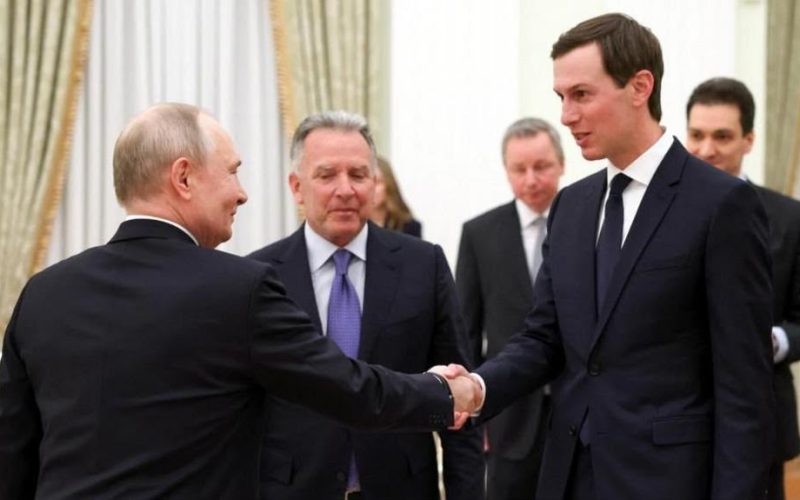
The announcement comes on the same day that US representatives Steve Witkoff and Jared Kushner met Putin in Moscow.
The meeting followed discussions between Russian, Ukrainian and American representatives in Abu Dhabi.
Those negotiations produced progress towards a prisoner exchange but did not resolve the major disagreements surrounding territory and security guarantees.
European governments have consistently supported Ukraine and argued that any lasting settlement must respect its sovereignty.
The continued preparation of sanctions suggests that European leaders do not intend to abandon economic pressure simply because diplomatic discussions have resumed.
At the same time, sanctions can become part of wider negotiations if governments consider relaxing particular restrictions in exchange for specific political or security commitments.
Whether that approach will become part of a future settlement remains uncertain.
EU approval will be the next important step
The proposed measures are expected to be considered by EU governments on Monday, November 16.
Until the formal decision is made, the announced package should be understood as a planned sanctions initiative rather than restrictions that have already entered into force.
The approval process will be important in determining the final scope of the measures and the organisations affected.
European governments will also need to ensure that the restrictions are implemented consistently across member states.
For companies, banks and investors, monitoring the final decision will be essential when assessing possible exposure to the new measures.
What comes next for Russia and Europe?
The planned sanctions highlight the continuing deterioration in economic and political relations between Russia and European governments.
For the European Union, maintaining pressure on Moscow remains closely connected to its wider policy of supporting Ukraine and defending European security.
For international businesses, the developments underline the importance of monitoring sanctions and understanding how geopolitical tensions can influence commercial activity.
However, economic restrictions alone are unlikely to resolve the conflict.
The future of the war will also depend on military developments, diplomatic negotiations and whether Russia and Ukraine can reach an agreement addressing their fundamental disagreements.
As the European Union prepares to consider the new package, international attention will remain focused on whether economic pressure and renewed diplomatic engagement can eventually contribute to a lasting settlement.