
Oman and the United Kingdom are strengthening diplomatic engagement at a time when tensions in the Middle East are raising concerns about regional security, international shipping and the stability of global energy supplies.
Sultan Haitham bin Tarik began a three-day state visit to Britain on Tuesday, where he was welcomed by King Charles III at Windsor Castle. The visit includes ceremonial events and high-level discussions that highlight the long-standing relationship between the two countries.
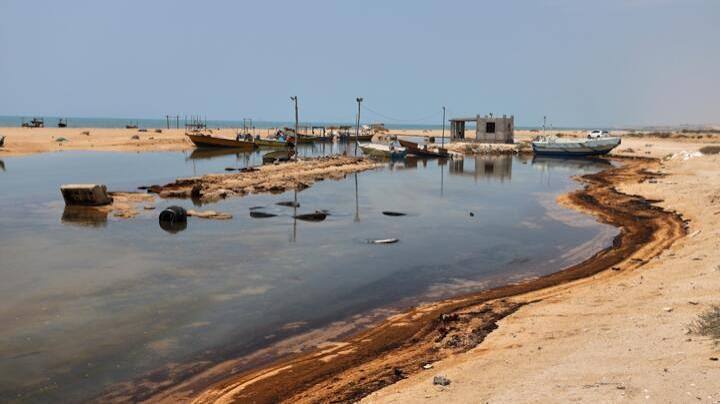
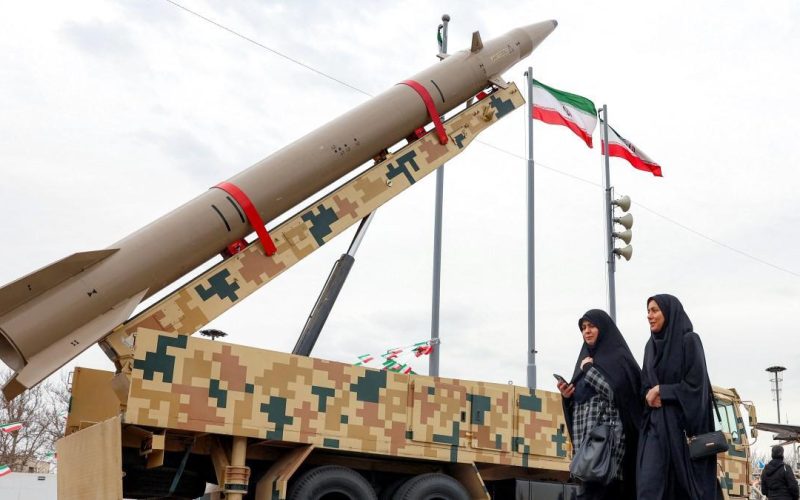
Beyond the formal programme, the visit takes place against a complicated regional backdrop. Relations involving Iran, the United States and other Middle Eastern governments remain sensitive, while developments around the Strait of Hormuz have renewed international attention on the safety of commercial shipping.
For Britain, cooperation with Oman offers an opportunity to reinforce diplomatic relationships and discuss security concerns. For Oman, the visit provides a platform to maintain international partnerships while continuing to position itself as an important regional interlocutor.
A relationship built over many years
Britain and Oman have longstanding political, commercial and defence connections. Their relationship has developed through historical ties, military cooperation, investment and diplomatic engagement.
The two countries maintain interests in maritime security and regional stability. Oman’s geographic position near the Strait of Hormuz gives it particular strategic importance, while Britain has established diplomatic and military relationships across the Gulf.
During the visit, Sultan Haitham is expected to meet senior British officials to discuss cooperation and regional developments. Such meetings provide an opportunity to exchange views, identify shared interests and strengthen channels of communication.
State visits also have a symbolic role. Ceremonial welcomes and formal engagements demonstrate the importance governments attach to bilateral relationships, although the practical results depend on the agreements and discussions that follow.
Why the Strait of Hormuz matters
The Strait of Hormuz is among the world’s most strategically important maritime passages. It connects the Persian Gulf with the Gulf of Oman and the wider Arabian Sea, providing a major route for petroleum exports from Gulf producers.
Any serious disruption to shipping through the strait could have consequences far beyond the Middle East. Oil prices could rise, shipping companies might face higher insurance costs, and governments could encounter additional pressure to secure alternative supplies.
Energy markets are particularly sensitive to uncertainty because traders respond not only to actual supply shortages but also to the possibility of future disruption.
For countries that rely on imported petroleum, higher prices can increase transport costs, electricity-generation expenses and the price of goods moved by road. Businesses may face higher operating expenses, while households can experience rising costs for transport and essential commodities.
These risks explain why maritime security remains an important subject for governments well beyond the Gulf region.
Oman’s diplomatic position
Oman has historically maintained diplomatic relationships with a range of governments that do not always share the same political objectives. Its approach has sometimes enabled it to facilitate communication and support negotiations between opposing parties.
That diplomatic position can be valuable during periods of heightened tension. When direct communication becomes difficult, countries with relationships across different political camps may help maintain channels for dialogue.
However, diplomacy has limits. Oman cannot independently resolve disputes involving larger regional and international powers, and any lasting agreement depends on the willingness of the principal parties to negotiate.
Its role is better understood as one element of a wider diplomatic environment involving regional governments, international organisations and major powers.
The state visit to Britain may therefore be significant not only for bilateral cooperation but also for discussions about reducing the risk of further escalation in the Gulf.
“Oman and the United Kingdom are strengthening diplomatic engagement at a time when tensions in the Middle East…”
Economic cooperation and strategic interests
Security is only one part of the relationship. Britain and Oman also have interests in investment, trade, education, technology and economic development.
Stable political relationships can make it easier for companies to plan investments and develop long-term commercial partnerships. Governments may also use diplomatic visits to discuss infrastructure, energy projects and opportunities for cooperation in emerging industries.
For Oman, economic diversification remains an important consideration as countries across the Gulf seek to strengthen sectors beyond traditional energy production.
For Britain, maintaining relationships with Gulf states can support trade and investment while reinforcing its diplomatic presence in a strategically important region.
The success of economic cooperation depends on practical outcomes, including investment conditions, regulatory frameworks and the ability of businesses to operate predictably.
Implications for Africa
African economies have a direct interest in developments affecting the Gulf because energy prices influence transportation, manufacturing, agriculture and household expenditure.
In Uganda, petroleum products play an important role in road transport and the movement of goods. An increase in international oil prices can feed into the cost of delivering food, building materials and other products.
Higher fuel prices may also place pressure on small businesses, public transport operators and families that depend on daily travel for work.
Other African countries face similar challenges, although the impact differs according to their energy production, import requirements, currency movements and government policies.
Regional governments cannot control geopolitical developments in the Gulf, but they can strengthen economic resilience through prudent fiscal planning, efficient transport systems, diversified energy sources and better supply-chain management.
The importance of continued dialogue
The visit demonstrates the continued value of diplomatic engagement during periods of uncertainty. Meetings between leaders can help clarify positions, reinforce relationships and identify areas where cooperation remains possible despite wider disagreements.
Nevertheless, formal diplomacy should not be mistaken for proof that regional tensions have been resolved. The effectiveness of the discussions will depend on what follows, including concrete agreements, continued communication and efforts to protect commercial shipping.
International observers will be watching whether cooperation between Britain and Oman contributes to regional stability and whether the visit produces practical benefits beyond its ceremonial programme.
Conclusion
Oman’s state visit to Britain highlights the relationship between diplomacy, security and the global economy. The Strait of Hormuz remains an important concern because disruptions could affect energy markets and countries that depend on imported fuel.
For Africa, the principal lesson is that regional stability in the Middle East can influence economic conditions far beyond the Gulf. Maintaining diplomatic engagement, strengthening economic resilience and monitoring energy-market developments remain important priorities.