
Iran continues to occupy a central position in international affairs as tensions involving regional security, international diplomacy, economic restrictions and energy transportation shape discussions about the future of the Middle East. The country’s strategic location, military capabilities and importance to global energy markets mean that developments involving Tehran can have consequences extending far beyond its borders.
For neighbouring countries, international investors and ordinary citizens, the main concern is whether current disagreements can be managed through diplomacy or whether further confrontation will create additional instability. Governments across the region are watching developments closely as they consider the implications for trade, security and economic cooperation.
The situation also highlights the challenges facing international institutions seeking to prevent local disputes from developing into wider conflicts.
Iran’s Strategic Position in the Middle East
Iran occupies an important geographical position between the Persian Gulf, the Caspian Sea, Central Asia and the wider Middle East. Its location gives it considerable influence over regional transport routes and makes it an important participant in discussions concerning energy security and maritime navigation.
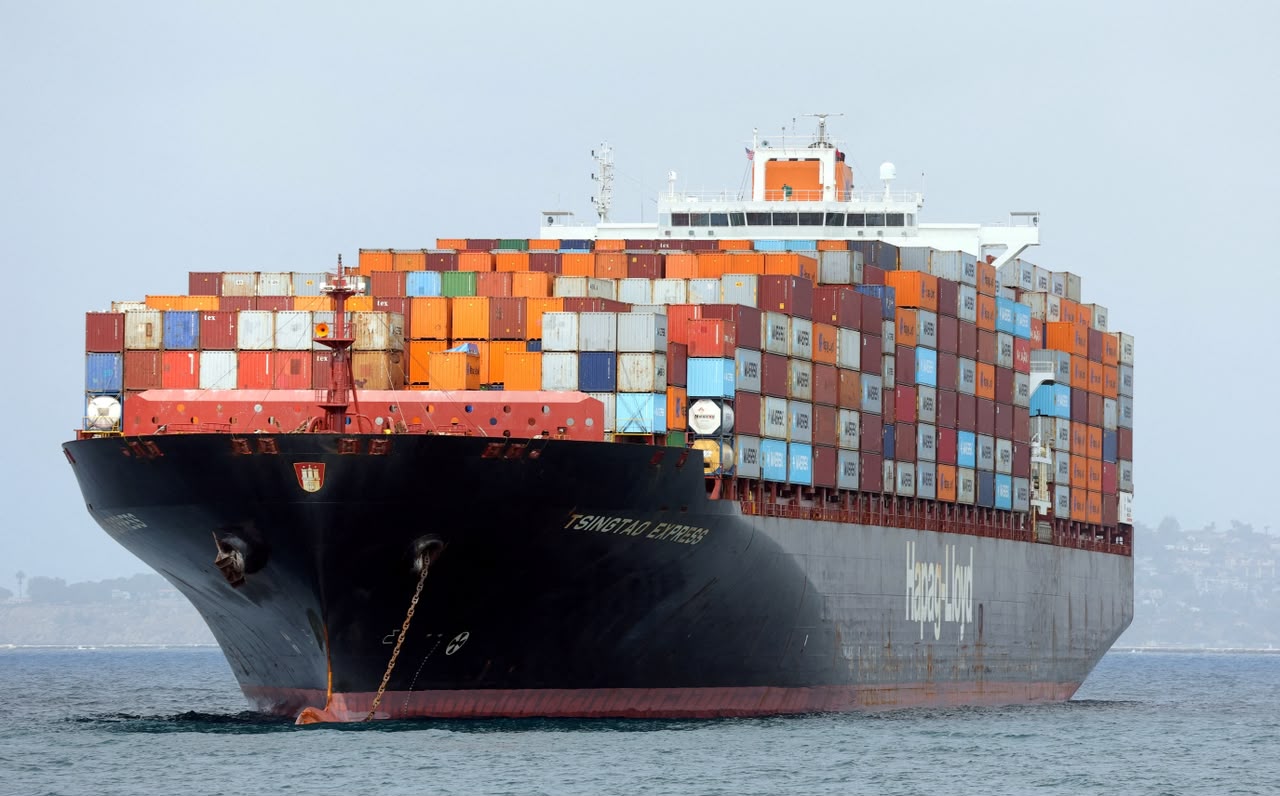
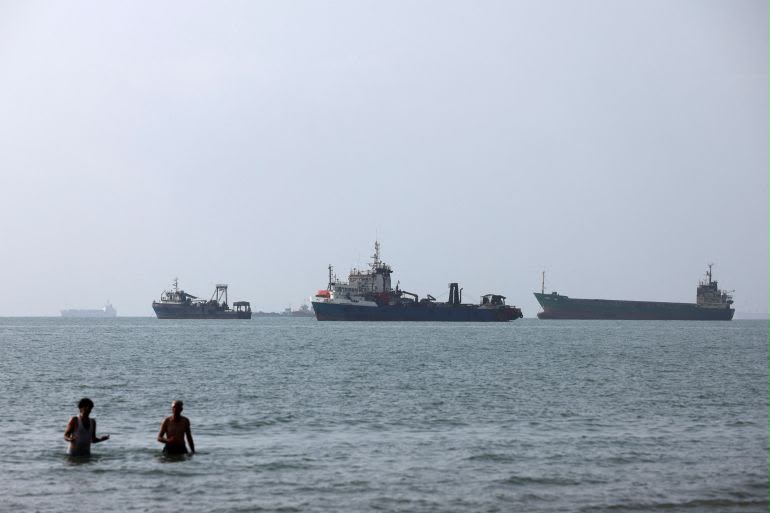
The Strait of Hormuz is particularly significant. The narrow waterway connects the Persian Gulf with the Gulf of Oman and serves as a major passage for international oil and gas shipments. Any serious disruption could affect energy markets, shipping schedules and the cost of transporting goods.
For countries that depend on imported petroleum, instability around the strait can translate into higher fuel prices and increased pressure on national budgets. Transport companies, manufacturers and agricultural businesses may also face additional costs when energy prices rise.
This makes the security of the waterway an international concern rather than simply a dispute between Iran and its immediate neighbours.
Diplomatic Relations Remain Difficult
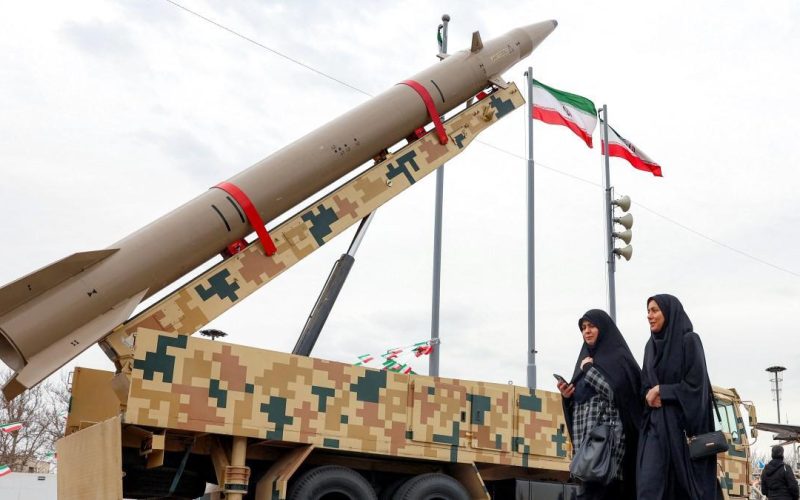
Relations between Iran and the United States have been shaped by longstanding disagreements over Iran’s nuclear programme, economic sanctions and regional security. Efforts to negotiate a settlement have repeatedly encountered obstacles, reflecting deep mistrust between the two governments.
Washington has sought assurances concerning Iran’s nuclear activities and regional policies, while Tehran has called for relief from economic restrictions and greater recognition of its security interests.
A sustainable diplomatic agreement would require both sides to identify areas where practical compromises are possible. This could include arrangements for monitoring nuclear activities, mechanisms for addressing disputes and clear procedures for implementing any commitments.
However, negotiations can become more difficult when military incidents occur or political leaders face pressure from domestic audiences. Statements made during periods of heightened tension can reduce room for compromise and increase uncertainty about the intentions of the parties involved.
Regional governments and international mediators therefore have an important role in encouraging communication and preventing misunderstandings.
Economic Consequences of Regional Instability
Political tensions have significant economic implications for Iran and the wider region. Restrictions on international trade and financial transactions can complicate business operations, discourage investment and limit access to certain technologies and overseas markets.
For ordinary Iranian households, economic uncertainty can affect purchasing power, employment opportunities and the cost of essential goods. Businesses must also navigate changing market conditions, currency pressures and uncertainty over future trade arrangements.
A prolonged regional crisis could introduce additional difficulties by affecting transportation networks, energy supplies and investor confidence.
Countries that import fuel from international markets may face indirect consequences if geopolitical developments push prices higher. Higher fuel costs can increase the price of food distribution, public transport, electricity generation and industrial production.
For developing economies, these pressures can be especially challenging because governments may have limited financial resources to protect consumers from sudden increases in living costs.
“Iran continues to occupy a central position in international affairs as tensions involving regional security, international diplomacy, economic…”
Economic stability therefore depends partly on developments in international relations, alongside domestic policies designed to strengthen production, employment and public finances.
Regional Security and Civilian Protection
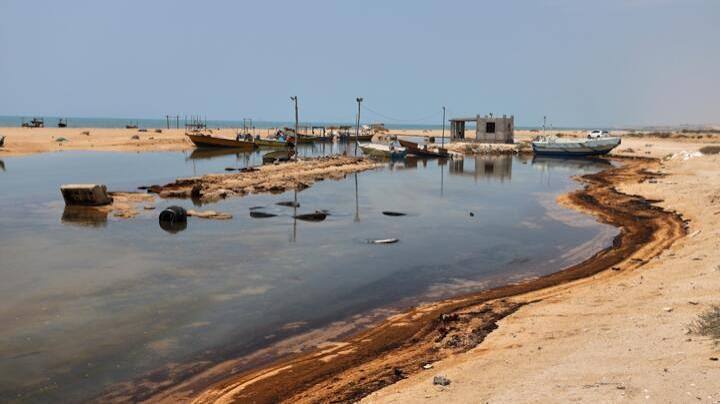
Security concerns involving Iran extend beyond military installations and government institutions. Escalating tensions can place civilians, commercial workers and communities near strategic infrastructure at risk.
Ports, airports, shipping routes and energy facilities are essential to modern economies. Damage to these systems can interrupt employment, delay deliveries and reduce access to essential services.
Civilian protection must therefore remain a central consideration in any regional security strategy. International humanitarian law establishes important protections for civilians during armed conflict, while maritime law provides a framework for safe navigation and responsibilities at sea.
Governments should also maintain reliable communication channels to reduce the risk of accidental escalation. Clear procedures for handling emergencies can help prevent individual incidents from triggering broader confrontations.
Independent verification of major claims is equally important. During periods of tension, inaccurate reports and unconfirmed allegations can increase fear and encourage decisions based on incomplete information.
What the International Community Can Do
International diplomatic efforts should prioritise communication, de-escalation and practical arrangements that reduce immediate risks. Negotiations do not require all disagreements to be resolved at once; progress can begin with limited measures that prevent incidents and create space for further discussion.
International organisations can support dialogue by facilitating meetings, monitoring agreed commitments where authorised and providing channels through which governments can raise concerns.
Regional cooperation is also essential. Countries sharing maritime routes, energy infrastructure and commercial networks have a common interest in preventing prolonged instability.
At the same time, economic and humanitarian considerations should not be overlooked. Maintaining access to essential goods, supporting vulnerable communities and protecting civilian infrastructure can reduce the human cost of political disputes.
Conclusion
Iran’s position in the Middle East makes its political and security decisions important to the wider international community. Tensions involving diplomacy, energy transportation and regional security demonstrate how quickly developments in one country can affect neighbouring states and global markets.
Although the challenges are substantial, escalation is not inevitable. Consistent diplomatic engagement, reliable information and respect for international law can help reduce risks and create opportunities for more stable relations.
For Berli Media, the central issue is the need for informed international attention that goes beyond political statements. The future of regional stability will depend on decisions that protect civilians, support economic resilience and give diplomacy a genuine opportunity to succeed.