
Iran faces significant economic challenges as international restrictions, domestic financial pressures and regional uncertainty complicate efforts to improve living standards. For households and businesses, economic stability is closely connected to the prices of essential goods, access to employment, the strength of the national currency and the country’s ability to maintain international trade.
Although Iran possesses substantial natural resources and an established industrial base, economic potential does not automatically translate into prosperity for every citizen. The country’s financial performance is influenced by international relations, government policies, investment conditions and the capacity of domestic industries to operate efficiently.
The challenge for policymakers is to address immediate economic pressures while building a more resilient economy capable of supporting long-term development.
Inflation and the Cost of Living
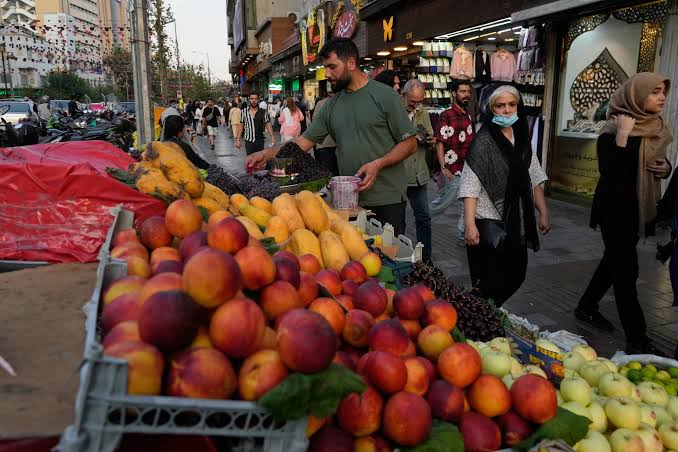
Rising prices are among the most important concerns in any economy experiencing prolonged uncertainty. When the cost of food, housing, transport and healthcare increases faster than household incomes, families have less money available for other necessities.
For lower-income households, the impact can be especially severe because a large proportion of their earnings is already spent on essential goods. Even relatively small price increases can force families to reduce discretionary spending or postpone important purchases.
Businesses also face difficulties when their operating costs rise unpredictably. Retailers may struggle to determine how much stock to purchase, while manufacturers must account for changing prices of raw materials, equipment and transportation.
If businesses raise their prices to cover higher expenses, consumers may experience additional pressure. If companies cannot pass those costs on, their profits may decline, potentially reducing investment and employment.
Addressing inflation requires reliable economic information, effective monetary and fiscal policies, and measures that improve the availability of essential goods. The precise causes of price increases must be assessed using current economic data rather than assumptions about any single factor.
International Sanctions and Trade Restrictions
International sanctions have played a significant role in shaping Iran’s economic circumstances. Restrictions affecting oil exports, financial transactions and access to certain technologies can make international business more difficult.
Iran’s energy sector is an important source of export revenue. Limitations on the sale of oil and the movement of payments can reduce the foreign currency available to finance imports and support economic activity.
Financial restrictions may also discourage international companies from investing in Iranian businesses. Even where some transactions are permitted, companies can face additional compliance requirements, payment difficulties and uncertainty about future regulations.
These challenges may affect industries beyond energy, including manufacturing, transport and technology.
The economic consequences of sanctions depend on their design, enforcement and duration, as well as Iran’s ability to develop alternative commercial relationships. Domestic economic decisions and structural weaknesses also influence the final outcome.
For Iranian businesses, predictable trading conditions and reliable access to supplies are important for planning investment and maintaining production.
Currency Pressures and Business Confidence
Currency instability can make imported products more expensive and create uncertainty for businesses that depend on overseas suppliers. When the local currency loses value, companies may need more money to purchase the same quantity of imported equipment, medicine or industrial materials.
These changes can eventually affect consumer prices, particularly when domestic alternatives are unavailable.
Currency uncertainty also complicates long-term financial planning. Companies may delay expansion, reduce inventories or postpone hiring because they cannot confidently estimate future costs.
Households can experience similar difficulties when savings lose purchasing power or when the cost of major purchases rises faster than wages.
Restoring confidence generally requires a credible economic framework, transparent policy decisions and greater predictability in international trade. However, currency movements are influenced by several factors, including inflation expectations, foreign currency availability, political developments and public confidence.
There is no single measure that can resolve all these problems immediately.
Employment and Opportunities for Young People
Economic uncertainty can create particular difficulties for young people seeking stable employment. Businesses facing higher costs and unpredictable demand may become reluctant to recruit additional workers or invest in new facilities.
Limited job opportunities can delay important life decisions, including establishing independent households, continuing education and starting businesses.
When skilled workers believe that their professional opportunities are restricted, some may consider employment abroad. The departure of experienced professionals can create difficulties for industries that require specialised knowledge and training.
Improving employment prospects requires investment in productive industries, vocational education, technology and entrepreneurship.
“Iran faces significant economic challenges as international restrictions, domestic financial pressures and regional uncertainty complicate efforts to improve…”
Small and medium-sized businesses can contribute significantly to job creation when they have access to financing, dependable infrastructure and clear regulations.
A stronger connection between education and labour-market needs can also help young people develop skills that employers require.
Energy Resources and Economic Opportunities
Iran possesses substantial oil and natural gas resources, giving the country significant potential in energy production and related industries. However, resource wealth alone cannot guarantee broad economic prosperity.
The benefits depend on how revenues are managed, whether investment is sustained and how effectively resources support infrastructure, education, healthcare and industrial development.
Energy production also requires technology, skilled workers and access to markets. Restrictions on investment and international cooperation can complicate the development of some projects.
Diversification is therefore important. Expanding manufacturing, agriculture, tourism and technology-related industries could help reduce dependence on a narrow range of exports.
A more diversified economy may also be better equipped to withstand changes in global energy prices.
For long-term development, policymakers must balance immediate revenue needs with investments that improve productivity and create opportunities across different sectors.
Could Diplomacy Support Economic Recovery?
Improved international relations could create opportunities for Iran to strengthen trade and attract investment, depending on the terms of any agreements and the restrictions that might be changed.
Diplomatic negotiations could address issues related to sanctions, nuclear activities and regional security. However, reaching an agreement would require credible commitments, monitoring arrangements and political willingness to implement the results.
Even if restrictions were eased, economic recovery would take time. Companies would need to assess commercial risks, rebuild relationships with suppliers and customers, and determine whether long-term investment was viable.
Domestic reforms would remain important. Greater transparency, predictable regulations, efficient public administration and sound financial management could help improve confidence among local businesses and potential investors.
International agreements can create opportunities, but lasting progress also depends on how effectively a country uses those opportunities.
Protecting Households During Economic Pressure
Economic recovery should be measured not only by national growth figures but also by improvements in everyday life.
Policies that support access to food, healthcare, education and affordable housing can help protect vulnerable families during periods of uncertainty.
Targeted social assistance may provide relief to households most affected by rising prices, while investment in public services can strengthen communities over the longer term.
Authorities must ensure that support programmes are financially sustainable and reach the people who need them most. Reliable statistics and transparent administration are essential for achieving those objectives.
Businesses also have a role in recovery through job creation, responsible investment and efforts to improve productivity.
Conclusion
Iran’s economic future will depend on a combination of domestic policy, international relations and the ability of its industries to adapt to changing conditions. Inflation, trade restrictions and currency pressures can affect families immediately, while prolonged uncertainty may weaken investment and employment prospects.
There is no quick solution to these interconnected challenges. Sustainable progress will require credible economic management, productive investment, stronger opportunities for young people and efforts to reduce the uncertainty surrounding international trade.
Diplomacy may create additional opportunities, but the benefits will depend on practical agreements and effective implementation.
For Berli Media, Iran’s economic story is ultimately about more than financial indicators. It is about whether economic decisions and international negotiations can improve living standards, strengthen employment and provide households with greater confidence in the future.