

The international community is confronting a series of interconnected challenges as armed conflicts, regional security tensions, climate change and public health concerns continue to shape global affairs. From Eastern Europe to the Middle East and Africa, governments and humanitarian organisations are under growing pressure to protect civilians, maintain economic stability and find lasting solutions to crises affecting millions of people.
Today’s international developments highlight the importance of diplomacy, responsible leadership and cross-border cooperation. While some diplomatic channels remain open, continuing violence and uncertainty demonstrate how difficult it can be to achieve lasting peace in an increasingly complex world.
Ukraine Conflict Intensifies as Diplomatic Efforts Continue
The war between Russia and Ukraine remains one of the major security concerns facing Europe. On October 22, reports indicated that Russian missiles and drones had struck Kyiv and other parts of Ukraine, causing civilian casualties and damage. Ukrainian officials have renewed calls for stronger air-defence assistance as the country continues to defend its cities and critical infrastructure.
The latest violence comes amid indications that discussions involving Russia, Ukraine and the United States could resume. However, the timing and prospects of further negotiations remain uncertain, and renewed attacks underline the distance between diplomatic proposals and conditions on the battlefield.
The conflict has consequences far beyond Ukraine’s borders. European governments continue to consider the implications for regional security, energy supplies, defence spending and economic confidence. As colder weather approaches, concerns are also growing about the vulnerability of electricity networks and essential services.
For civilians, the immediate priorities remain safety, shelter, access to electricity and medical care. Any meaningful peace initiative will need to address security concerns while creating conditions for a durable settlement.
Middle East Tensions Raise Security and Energy Concerns
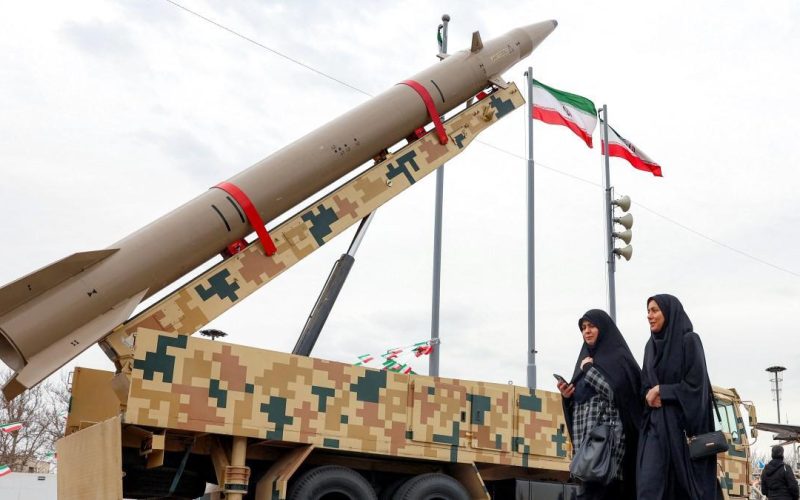
The Middle East remains another major focus of international attention as security incidents threaten transport networks and energy infrastructure. Reports published on October 22 described attacks affecting Saudi Arabia, including an incident at King Fahd International Airport that resulted in casualties and disrupted aviation operations. Regional tensions have also increased concerns about the safety of shipping and energy transportation.
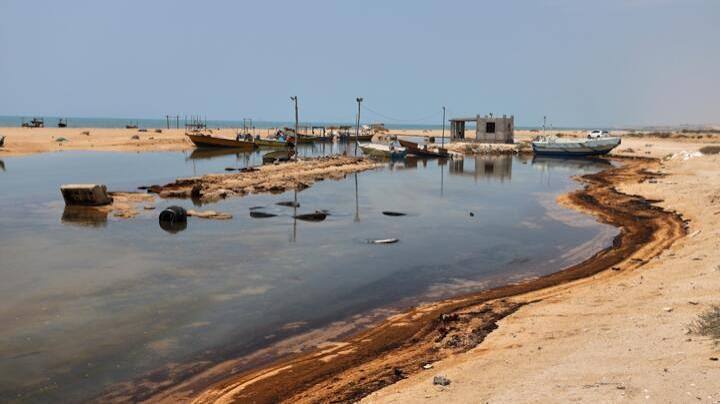
Developments around the Persian Gulf are particularly significant because the region plays an important role in global oil and gas supplies. Prolonged disruption to maritime routes could increase transport costs, complicate fuel deliveries and put additional pressure on households and businesses already facing economic uncertainty.
Diplomatic engagement remains essential to reducing the risk of a wider confrontation. Governments in the region and international partners face the difficult task of responding to security threats without allowing further escalation to undermine civilian safety or regional stability.
For countries that depend heavily on imported fuel, including many African economies, instability in major energy-producing regions can have direct consequences for transport fares, food distribution, electricity generation and the cost of living.
Climate Change Remains a Long-Term Global Emergency
Climate change continues to demand urgent international action. Recent United Nations climate assessments have warned that the world is not on track to limit global warming to 1.5 degrees Celsius above pre-industrial levels, the threshold associated with efforts to reduce the most dangerous consequences of climate change. The UN has nevertheless stressed that rapid emissions reductions can limit the scale and duration of temperature overshoot.
The implications are especially serious for communities already experiencing floods, droughts, extreme heat and unpredictable rainfall. Developing countries often have fewer financial resources to rebuild damaged infrastructure, support affected farmers or strengthen early-warning systems.
In Africa, changing weather patterns can threaten agricultural production, increase pressure on water supplies and contribute to food insecurity. These risks can affect rural livelihoods and push food prices higher, particularly where communities depend on rain-fed farming.
Governments, businesses and international institutions face growing pressure to accelerate investment in renewable energy, climate-resilient infrastructure and disaster preparedness. Climate finance is also an important issue, as vulnerable countries seek resources to adapt to environmental changes they have contributed relatively little to causing.
The challenge is no longer simply to recognise the risks. It is to translate commitments into practical measures that protect people, strengthen local economies and reduce future damage.
Public Health Authorities Monitor Ebola Concerns in Africa
Public health preparedness is also back in the international spotlight following reports of an Ebola case in Nigeria. The development is significant because Ebola can cause severe illness and requires rapid identification, appropriate medical care and effective infection-control measures. Reports published on October 22 linked the case to wider regional concerns about an outbreak affecting several African countries. .
Health authorities must establish the patient’s travel history, identify possible contacts and determine whether additional infections have occurred. Transparent communication is essential to prevent rumours and help communities understand the measures required to reduce transmission.
“The international community is confronting a series of interconnected challenges as armed conflicts, regional security tensions, climate change…”
The situation also highlights the importance of regional cooperation. Infectious diseases do not respect national borders, making coordination between hospitals, laboratories, public health agencies and border-health teams particularly important.
For African countries, sustained investment in healthcare systems remains essential. Well-equipped laboratories, trained medical personnel, reliable surveillance systems and public education can help authorities identify outbreaks earlier and respond more effectively.
The current reports should not be interpreted as evidence that every country is facing an outbreak. The scale of the risk depends on verified case numbers, epidemiological investigations and assessments from relevant health authorities.
The Global Economy Faces Continued Uncertainty
Political instability, energy-market pressures and climate-related disruptions continue to create uncertainty for the world economy. When transport routes become less secure or fuel supplies are threatened, businesses may face higher operating costs, while households can experience rising prices for essential goods.
Developing economies are particularly exposed when they rely on imported fuel, food or manufactured products. Currency pressures and limited public budgets can make it harder for governments to cushion the effects of international shocks.
Economic resilience therefore requires more than short-term crisis management. Countries can strengthen their position by diversifying energy sources, improving agricultural productivity, supporting small businesses and investing in transport, education and digital infrastructure.
International trade and cooperation remain important, but governments must also build domestic systems capable of withstanding external disruptions.
Conclusion: Cooperation Is Essential for a More Stable World
The international developments of October 22, 2026, demonstrate how closely security, economic stability, climate resilience and public health are connected. Conflict can disrupt energy markets, climate pressures can intensify food insecurity, and public health emergencies can place additional demands on already stretched institutions.
Although the challenges are substantial, coordinated international action can still make a meaningful difference. Diplomacy can help reduce conflict, investment can strengthen vulnerable economies, climate policies can limit future damage, and effective healthcare systems can protect communities.
For world leaders, the central task is to move beyond statements of concern and deliver practical results. For citizens, access to accurate information remains essential for understanding events and making informed decisions.
Berli Media will continue to follow major international developments, examining their implications for communities around the world and highlighting the decisions that may shape the future of global affairs.