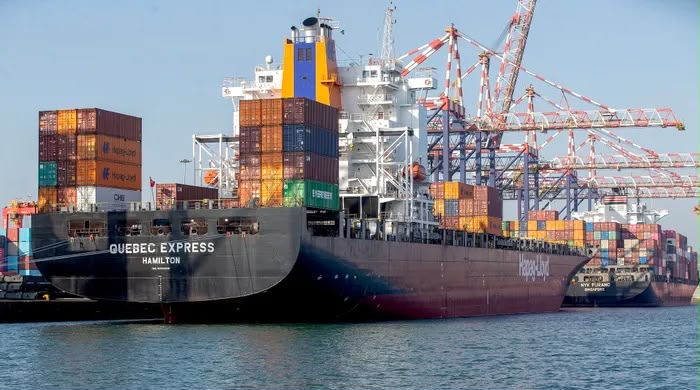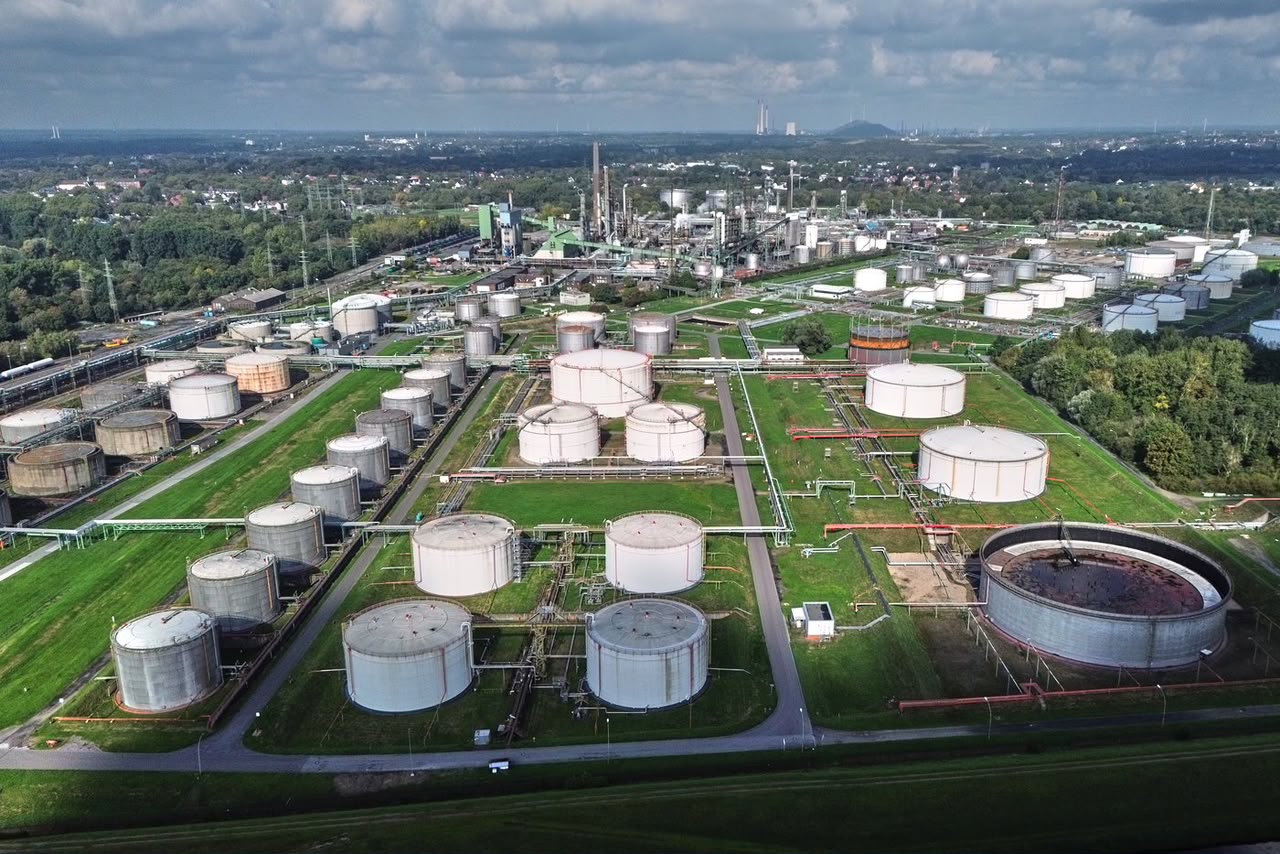
The Group of Seven has agreed to release 100 million barrels of diesel, crude oil and other petroleum products from emergency reserves as governments attempt to ease pressure from rapidly rising fuel prices.
The coordinated move announced on October 2 is expected to be carried out through the International Energy Agency, with supplies entering markets over the coming months.
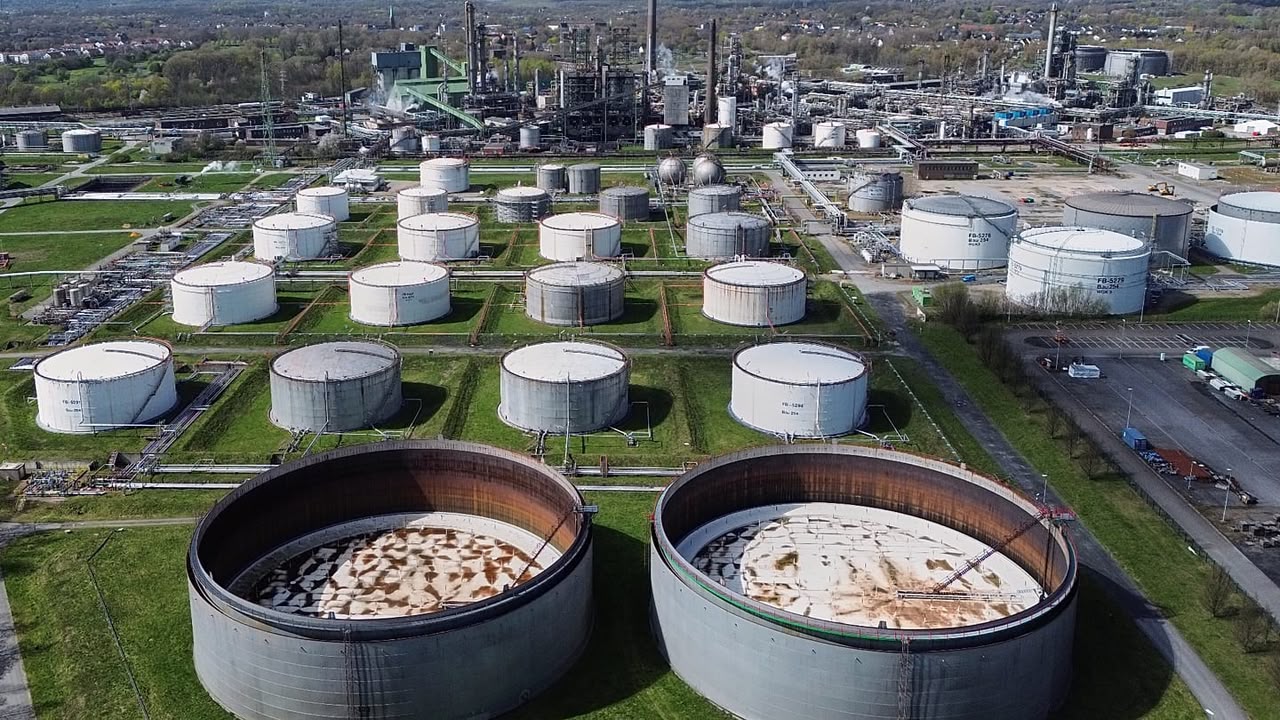
The decision comes as energy markets face renewed pressure from supply disruptions, higher demand and geopolitical uncertainty. Diesel has become a particular concern because it is essential to freight transport, agriculture, construction and industrial activity across many economies.
Emergency supplies enter the market
The G7 decision brings together Canada, France, Germany, Italy, Japan, the United Kingdom and the United States, with the European Union also represented in the group.
The release is designed to increase available supplies and reduce some of the pressure that has pushed fuel prices higher.
Strategic petroleum reserves are normally maintained for emergencies that threaten energy security. Governments can release part of those reserves when markets experience serious disruption or when supply shortages create extraordinary price pressure.
The latest decision therefore represents a significant intervention by some of the world’s largest economies.
Why diesel matters
Diesel plays a central role in global economic activity.
Trucks transporting food, fuel, machinery and manufactured goods depend heavily on diesel. Farmers also use diesel-powered equipment, while construction companies rely on the fuel for heavy machinery.
When diesel prices rise sharply, the effects can move beyond petrol stations.
Transport companies may face higher operating costs and increase delivery charges. Businesses may then pass some of those expenses to customers, potentially contributing to higher prices for goods.
For consumers already facing pressure from food, housing and energy costs, prolonged fuel increases can reduce disposable income.
Relief may take time
Although the G7 release is large, it does not guarantee an immediate or permanent reduction in fuel prices.
“This common decision and this unity should bring down prices,” French President Emmanuel Macron said”
Energy markets respond to several factors, including crude oil production, refinery capacity, shipping conditions, inventories and expectations about future supply.
If major disruptions continue, emergency reserves can provide temporary relief without solving the underlying supply problem.
The timing of the release will also matter. The faster additional supplies reach markets, the greater the potential impact on short-term availability.
A message to energy markets
The G7 move also sends a political and economic signal that governments are prepared to use strategic reserves when fuel prices threaten economic stability.
The decision could provide some reassurance to transport companies and other fuel-intensive businesses that additional supplies are being prepared.
However, governments must also consider the importance of maintaining sufficient reserves for future emergencies.
Once strategic stocks are released, they need to be replenished, meaning countries could remain exposed if another major supply disruption occurs before inventories recover.
Global impact
The announcement will be closely watched outside the G7.
Other governments may consider whether additional measures are necessary if fuel prices remain elevated. Major oil-producing countries will also be monitoring how the release affects market demand and pricing.
For consumers and businesses, the key question will be whether the additional supplies translate into lower fuel costs.
The G7 has taken a major step to address immediate market pressure, but the longer-term direction of energy prices will continue to depend on global production, demand and geopolitical conditions.