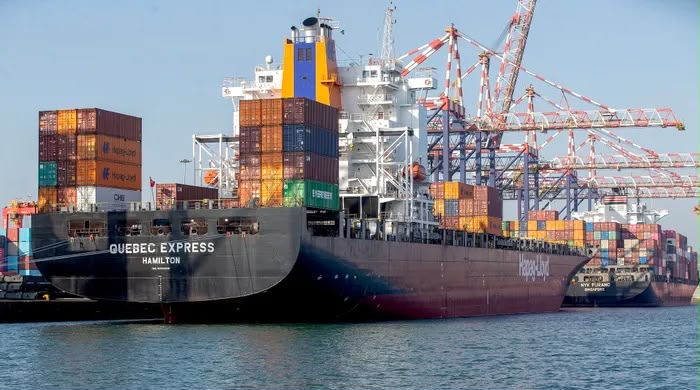
The World Bank is in discussions with between 30 and 40 countries about potential crisis assistance as governments face mounting economic pressure from rising energy and fertilizer costs, high debt repayments and the threat of further climate-related disruption.
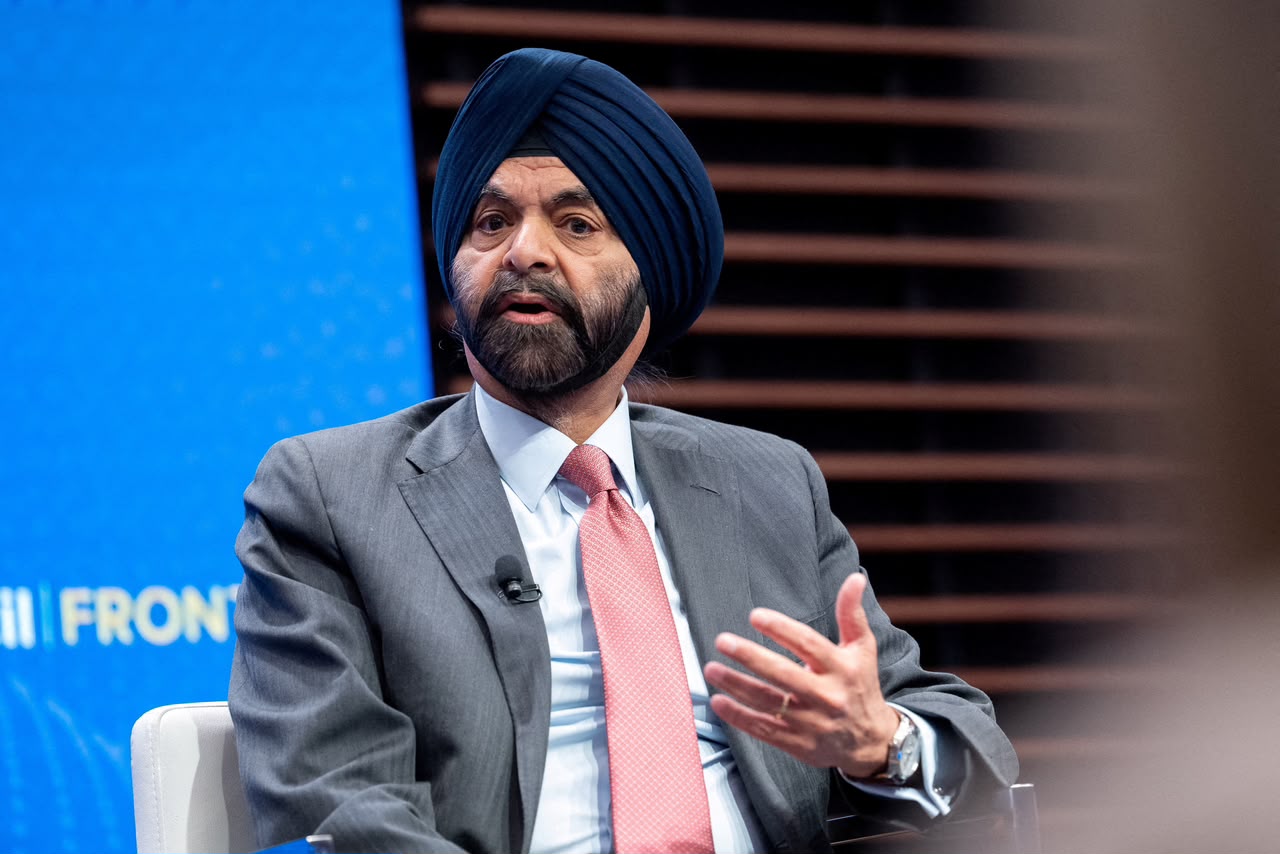
World Bank President Ajay Banga disclosed the discussions on Sunday, highlighting the growing demand for financial support as governments attempt to protect their economies from multiple external shocks.
The discussions come ahead of the annual meetings of the International Monetary Fund and World Bank, where finance ministers, central bankers and development officials are expected to address the challenges facing the global economy.
Although the World Bank has made crisis financing available, not every country has chosen to draw on the funds. Some governments have instead shown interest in redirecting existing development projects to address immediate financial pressures.
The situation highlights the difficult choices facing developing economies as they try to maintain essential public services while managing borrowing costs and rising import bills.
Energy prices increase pressure on governments
Energy costs have become a major concern for governments and businesses because fuel is essential to transport, manufacturing, electricity generation and agricultural production.
When petroleum prices rise, the effects can spread throughout an economy. Transport companies may face higher operating costs, manufacturers can pay more to produce goods, and farmers may encounter increased expenses for machinery, fuel and fertilizers.
Businesses may respond by raising prices, reducing spending or delaying investment. For households, higher transport and food costs can leave less money available for other essential needs.
Countries that depend heavily on imported fuel can be particularly vulnerable because they must spend more foreign currency to purchase the same quantities of energy.
These pressures can also complicate efforts by central banks to control inflation. If energy and transport costs remain elevated, price increases may spread to other goods and services.
The World Bank’s discussions with dozens of countries reflect concern that governments may need additional resources to respond to these challenges.
Crisis financing offers governments another option
The World Bank has made a $25 billion crisis fund available to help countries respond to economic shocks.
According to Banga’s remarks reported by Reuters on Sunday, initial demand for the facility was relatively limited, partly because some economies had shown resilience and energy-market conditions had previously adjusted.
However, rising diesel and fertilizer prices, alongside concerns about severe weather linked to a forecast super El Niño, have increased the risks facing governments.
Banga said the institution could expand the available assistance to as much as $100 billion if circumstances required it.
Such an expansion would represent a substantial increase in potential support, although the amount ultimately provided would depend on the institution’s decisions, financing arrangements and the needs of eligible countries.
Crisis assistance can help governments address urgent economic pressures, but it does not automatically resolve underlying problems such as weak public finances, limited foreign-exchange reserves or excessive debt.
Governments must therefore weigh immediate relief against the longer-term consequences of taking on additional financial obligations.
Debt repayments leave less room for spending
Developing countries are also dealing with significant debt-service requirements.
Reuters reported that countries face approximately $400 billion in external debt payments in 2026, with interest accounting for around one-third of the total.
Large repayments can restrict the amount of money governments have available for healthcare, education, infrastructure and other public services.
The pressure is particularly serious when governments must borrow at high interest rates or when their currencies weaken against the currencies in which debts are denominated.
“We are ready to support countries facing these challenges,” Banga said.”
A government facing higher fuel prices and substantial debt repayments may have limited room to introduce subsidies or other measures to protect households.
This creates a difficult policy balance. Cutting expenditure can help contain borrowing, but sharp reductions may weaken public services and economic growth. Additional borrowing may provide short-term relief while increasing future repayment obligations.
International financial institutions are therefore facing growing pressure to provide support that addresses immediate needs without worsening long-term debt sustainability.
Governments consider redirecting existing projects
Not all countries seeking help want to access new crisis funding immediately.
Banga indicated that some governments were interested in reallocating money from existing development projects to respond to urgent needs.
This approach can offer flexibility because countries may be able to use resources already committed to approved programmes.
However, redirecting funding also involves trade-offs. Money moved towards emergency fuel, food or budget support may no longer be available for the infrastructure or development projects for which it was originally intended.
The effectiveness of this strategy depends on the urgency of the crisis, the flexibility of existing financing agreements and the ability of governments to protect essential long-term investments.
The World Bank has also emphasised the importance of attracting private capital to support development. Mobilising private investment can help finance infrastructure and businesses without placing the entire burden on public budgets.
Why the discussions matter for Africa
The financing discussions are relevant to African economies that depend on imported energy, international trade and external borrowing.
Higher fuel prices can increase the cost of transporting goods, operating businesses and delivering public services. Fertilizer price increases can also raise agricultural production costs, potentially affecting food prices and farmers’ incomes.
Countries with limited fiscal space may find it difficult to protect vulnerable households while maintaining investment in infrastructure, healthcare and education.
Access to affordable financing could help some governments respond to temporary shocks, although the benefits would depend on the terms of assistance and the policies adopted domestically.
For African governments, the challenge is not simply securing emergency funds. It is also strengthening public finances, improving energy resilience and creating conditions that support investment and employment.
What to watch at the IMF and World Bank meetings
The upcoming meetings are expected to focus on economic resilience, debt pressures, energy-related inflation and the financing needs of vulnerable countries.
Officials will be watching whether economic shocks intensify and whether existing financial support is sufficient to meet demand.
The World Bank’s discussions with 30 to 40 countries suggest that governments are considering their options as several risks converge.
The possibility of expanding crisis financing to $100 billion could become important if economic conditions deteriorate, but the announcement should not be interpreted as a guarantee that every country seeking assistance will receive funds.
For now, the central issue is how international institutions and national governments can respond to immediate economic pressures while protecting development gains.
The decisions made in the coming weeks could influence how effectively vulnerable economies manage higher costs, meet debt obligations and sustain essential services in an increasingly uncertain global environment.