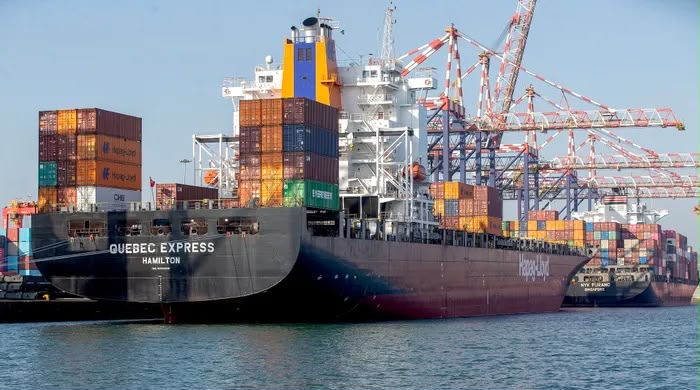
The World Trade Organization has raised its forecast for global goods trade in 2026, as surging demand for artificial intelligence technology helps businesses maintain international commerce despite disruption to energy supplies and shipping routes in the Middle East.
In an update released on October 8, the WTO projected that global merchandise trade volumes would grow by 3.9% this year, more than double its earlier forecast of 1.9%. The organization also raised its projection for 2027 to 4.1%, reflecting stronger-than-expected trade activity and continued investment in AI-related infrastructure.
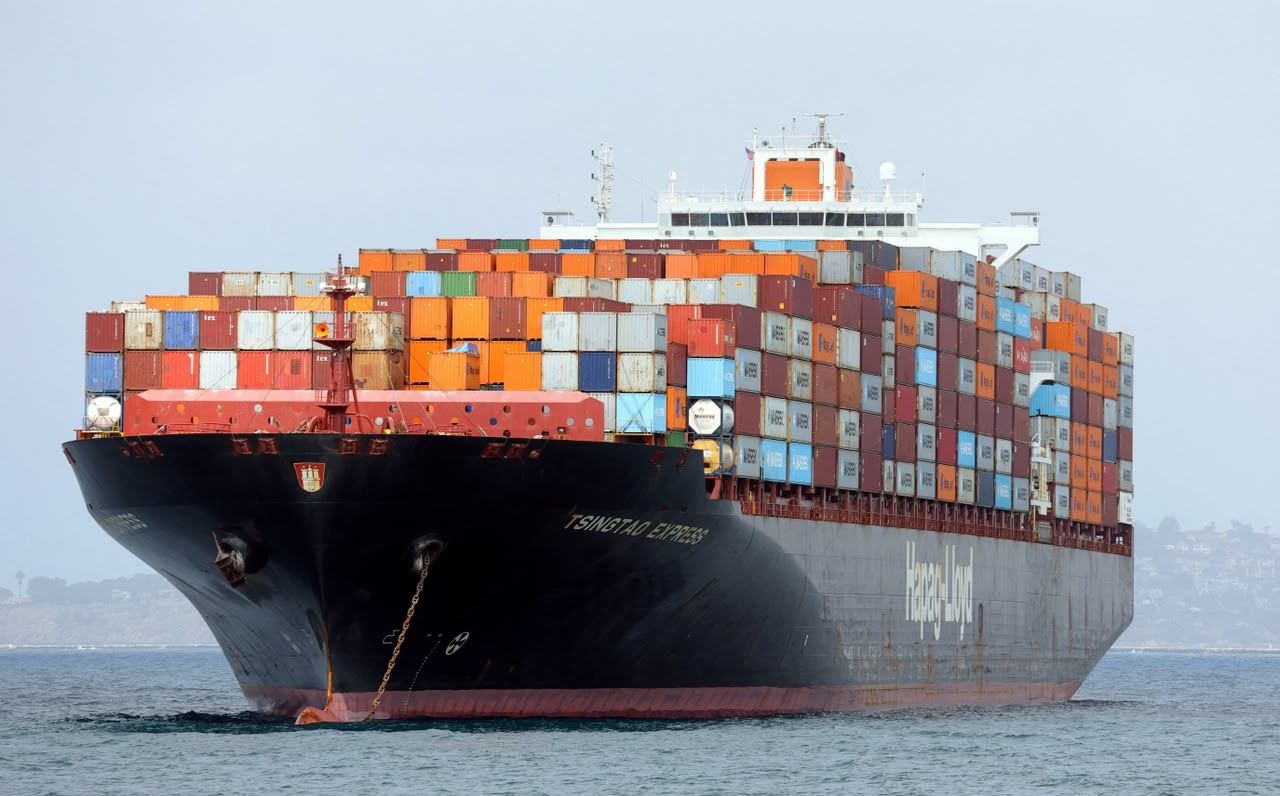
The revision highlights a significant shift in the global economy. While geopolitical tensions are creating uncertainty for traditional industries, demand for advanced computer chips, servers and data-centre equipment is generating new business opportunities across international markets.
However, the stronger outlook does not mean every industry or region is benefiting equally.
AI becomes a major engine of global trade
Artificial intelligence is increasingly influencing the movement of goods between countries. Technology companies are investing heavily in computing infrastructure to develop and operate AI systems, creating demand for specialised equipment and electronic components.
According to the WTO, trade in AI-enabling goods, including semiconductors and servers, increased by 67% year on year during the first half of 2026. These products accounted for 47% of global merchandise trade growth over the same period.
The figures underline how quickly AI has developed beyond a software industry into a major driver of manufacturing, investment and international commerce.
Building advanced AI systems requires a complex network of suppliers. Semiconductor manufacturers produce the chips, electronics companies assemble computing equipment, and data-centre operators purchase servers and supporting infrastructure. Logistics providers then transport these products to businesses and facilities around the world.
This creates opportunities for companies operating at different stages of the supply chain.
Countries with strong electronics manufacturing industries may benefit from rising orders, while businesses supplying components, cooling equipment, networking systems and data-centre infrastructure could also experience increased demand.
The challenge will be determining how long this investment cycle can continue. If technology companies reduce spending or demand for AI infrastructure slows, the benefits to global trade could weaken.
Middle East disruption creates economic pressure
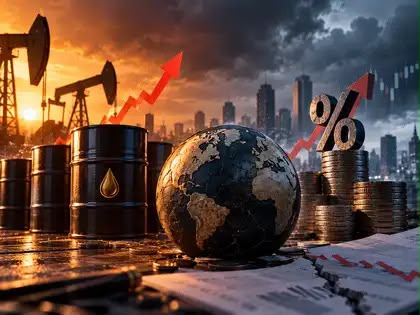
The improved trade forecast comes despite significant disruption to energy markets and transport routes associated with the conflict in the Middle East.
The region plays an important role in global oil and gas supplies. Disruptions to shipping can increase transportation costs, delay deliveries and make energy-intensive production more expensive.
Higher fuel prices can also affect fertiliser production and distribution, creating potential consequences for agriculture and food supply chains.
The WTO’s latest assessment indicates that alternative suppliers and adjustments by businesses have helped limit the wider impact on global trade. Companies have sought different sources of supply and adapted logistics arrangements to keep goods moving.
However, these adjustments cannot eliminate every risk.
Changing suppliers can involve additional costs, while longer shipping routes may increase delivery times and insurance expenses. Smaller businesses, which often have less negotiating power and fewer financial reserves, may find it harder to absorb such increases.
For import-dependent economies, expensive energy and transport can place additional pressure on businesses, government budgets and household purchasing power.
The situation illustrates the difference between global trade continuing to grow and the cost of conducting that trade remaining manageable.
Services trade faces a weaker outlook
While merchandise trade is benefiting from AI-related demand, the outlook for international services has become less favourable.
The WTO lowered its forecast for commercial services trade growth in 2026 to 3.3%, down from its previous projection of 4.8%.
Higher aviation fuel costs associated with the Middle East conflict are among the factors weighing on the sector. Expensive fuel can increase airline operating costs, potentially leading to higher ticket prices and affecting travel demand.
Tourism, transportation and other services connected to international movement can also suffer when geopolitical uncertainty discourages travel or makes journeys more expensive.
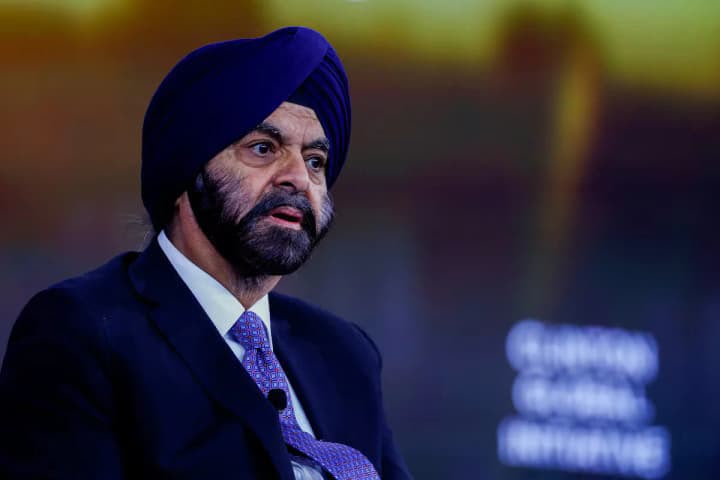
“Artificial intelligence is becoming more than a technology story. It is reshaping global trade, creating new business opportunities…”
This creates an uneven picture of the global economy. Technology-related goods are supporting trade growth, while businesses dependent on travel and transportation face greater pressure.
Digital services may offer some resilience because software, cloud computing and other online services can be delivered across borders without the physical transportation requirements associated with manufactured goods.
Nevertheless, digital businesses also depend on reliable infrastructure, international investment and customers willing to spend.
Asia stands to benefit from technology demand
Asia is particularly important to the expansion of AI-related trade because the region includes major electronics manufacturing centres and suppliers of advanced components.
Manufacturers serving international technology companies could benefit from growing demand for semiconductors, servers and other equipment required to build AI infrastructure.
The wider effects may extend to logistics companies, industrial suppliers and businesses providing electricity and cooling systems for data centres.
However, higher trade volumes do not automatically translate into equal economic benefits for every country. Some economies manufacture high-value technology products, while others mainly import finished equipment or supply raw materials.
Countries that want to capture a larger share of the AI economy may need to invest in skills, reliable electricity, digital infrastructure and competitive business environments.
For developing economies, the opportunity is not necessarily to manufacture advanced chips immediately. It can also involve supplying services, developing software, training workers and helping local companies adopt AI tools to improve productivity.
Access to finance and technology will influence how widely these benefits spread.
What the forecast means for businesses
The WTO’s revised projections offer a more optimistic picture of global goods trade than its earlier assessment, but businesses still face considerable uncertainty.
Companies involved in technology manufacturing and infrastructure may find opportunities in continued investment in AI. Importers and exporters, meanwhile, must continue monitoring fuel prices, shipping conditions and changes in international demand.
Businesses that rely on a single supplier or transport corridor may also need to consider alternative arrangements to reduce the impact of future disruptions.
For investors, the figures highlight the growing importance of AI infrastructure to the wider economy. Yet the strong growth in technology-related trade also raises questions about whether investment can remain at its current pace and whether the returns will justify the spending.
The outlook will depend on several factors, including the duration of Middle East disruptions, the direction of energy prices and the willingness of companies to continue expanding AI capacity.
A global economy being reshaped by AI
The latest forecast demonstrates how technological investment can influence international trade even during a period of geopolitical instability.
AI is creating demand for products that connect manufacturers, technology companies and infrastructure providers across multiple countries. At the same time, conflict-related disruptions show how vulnerable these networks remain to energy shortages, transport problems and political uncertainty.
For now, the WTO expects global merchandise trade to grow faster than it anticipated earlier in the year. But the benefits are likely to vary considerably between industries and regions.
The central question for the global economy is whether the current AI investment boom can continue supporting trade while businesses manage rising costs and geopolitical risks.
The answer will help determine whether today’s stronger trade outlook becomes a lasting trend or a temporary boost driven by unusually strong technology spending.