
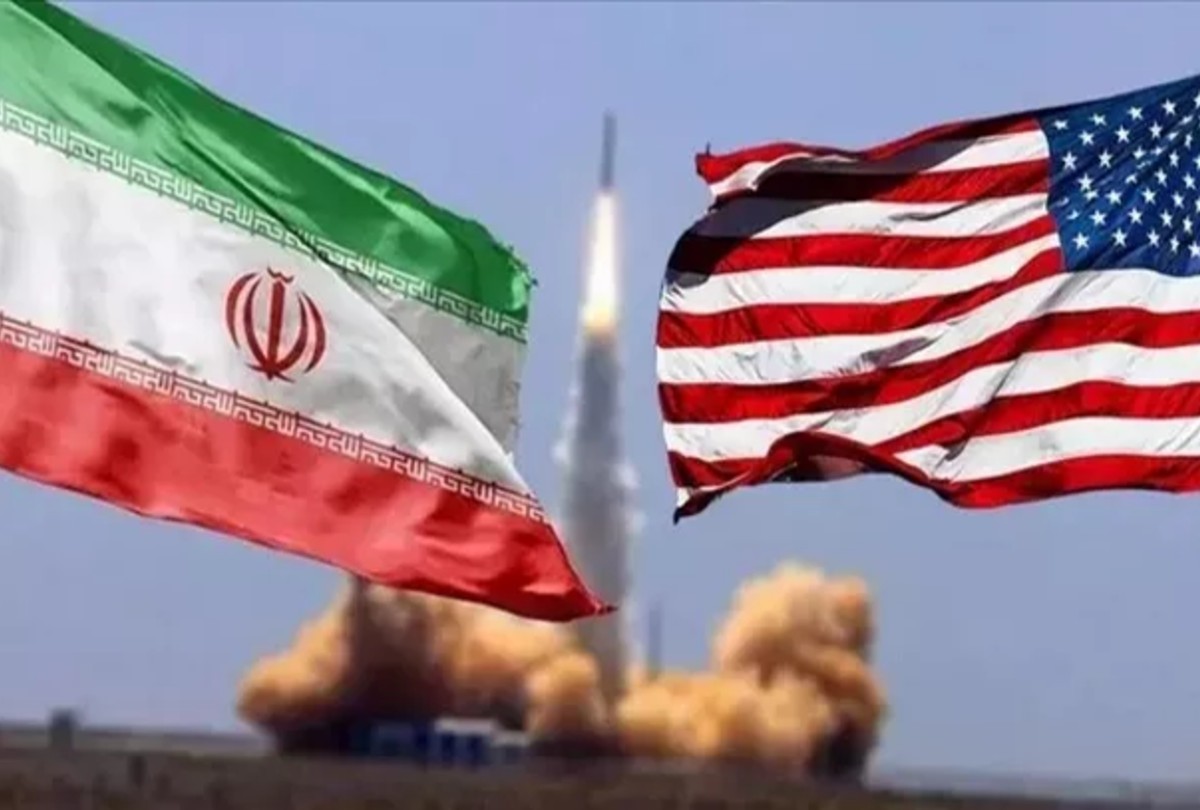
The relationship between Iran and the United States has been characterized by decades of political tension, economic sanctions, military confrontations, and diplomatic disagreements. In recent years, these tensions have developed into a serious international security crisis, threatening peace and stability in the Middle East and beyond. The conflict is rooted in disagreements over Iran’s nuclear programme, regional influence, economic sanctions, and the military presence of the United States in the Middle East. In 2026, the confrontation escalated into direct military conflict, creating significant political, economic, and humanitarian consequences. Although diplomatic efforts have continued, both countries remain deeply divided over the conditions necessary to achieve lasting peace.
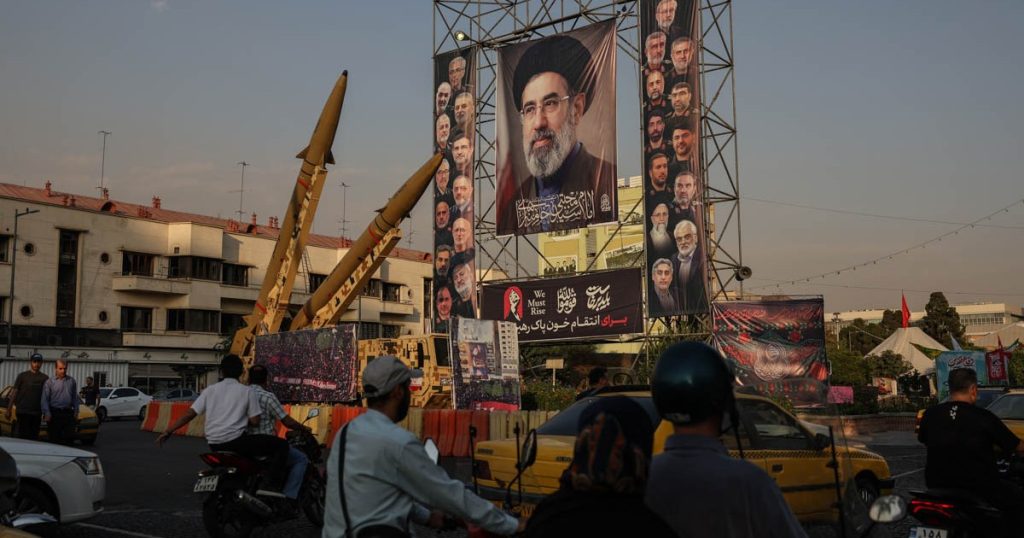
Historical Background of the Conflict
The tensions between Iran and the United States can be traced back to the 1979 Iranian Revolution, which overthrew the monarchy and established the Islamic Republic. Relations deteriorated further following the seizure of the American embassy in Tehran, where American diplomats were held hostage for 444 days. Since then, the two countries have maintained hostile diplomatic relations.
Another major source of disagreement has been Iran’s nuclear programme. The United States has repeatedly expressed concern that Iran could develop nuclear weapons, potentially threatening regional and international security. Iran, however, maintains that its nuclear programme is intended for peaceful purposes, including energy production and scientific research.
In 2015, Iran and several world powers reached the Joint Comprehensive Plan of Action (JCPOA), commonly known as the Iran nuclear deal. The agreement placed restrictions on Iran’s nuclear activities in exchange for sanctions relief. However, the United States withdrew from the agreement in 2018, increasing tensions and weakening diplomatic cooperation.
Major Causes of the Recent Escalation
One of the main causes of the escalation is the disagreement over Iran’s nuclear capabilities. Washington considers preventing Iran from acquiring nuclear weapons a major national security priority. Tehran, on the other hand, regards its nuclear programme as a matter of national sovereignty and technological development.
A second important factor is economic sanctions. The United States has imposed extensive restrictions on Iran’s oil exports, financial institutions, and international trade. These measures have placed considerable pressure on the Iranian economy, contributing to inflation, unemployment, and economic difficulties. Iran views these sanctions as economic aggression and has demanded their removal as part of any diplomatic settlement.
Regional security is another major source of tension. Iran maintains relationships with several armed groups and political movements across the Middle East, while the United States supports Israel and maintains military partnerships with several Gulf countries. These competing interests have increased mistrust and created opportunities for indirect confrontation.
Military Escalation in 2026
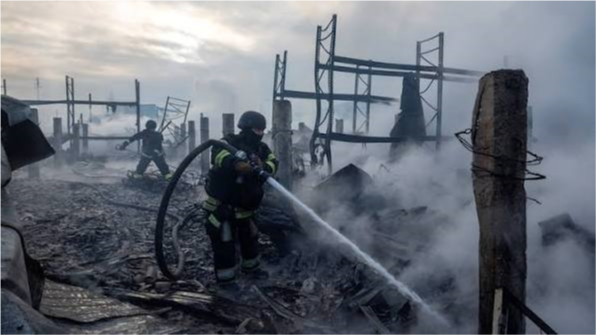
The situation became significantly more dangerous in February 2026, when the United States and Israel launched military strikes against targets in Iran. Iran responded with retaliatory attacks against Israel and American interests in the region. The confrontation expanded into a wider regional conflict, raising fears of a prolonged war.
The conflict also affected maritime security, particularly around the Strait of Hormuz, one of the world’s most important international oil transportation routes. Iran’s actions and threats against commercial shipping disrupted maritime traffic, while the United States increased military and economic pressure on Tehran.
According to a September 2026 report by the Congressional Research Service, the conflict has involved military operations, economic restrictions, and repeated diplomatic attempts to reach a settlement. Although ceasefire arrangements were attempted, disagreements between the two countries prevented a lasting resolution.
By November 2026, the confrontation had entered a period of uncertainty. Washington continued to rely on economic pressure and a naval blockade, while Tehran demanded the removal of restrictions before substantive nuclear negotiations could proceed.
Economic Consequences of the Conflict
“The relationship between Iran and the United States has been characterized by decades of political tension, economic sanctions,…”
The escalation has had serious consequences for the global economy. The Middle East is a major supplier of oil and natural gas, and instability around the Strait of Hormuz threatens international energy supplies.
Any prolonged disruption to shipping can increase oil prices, transportation costs, and the cost of production. Countries that depend heavily on imported fuel are particularly vulnerable. Developing economies in Africa and Asia may experience higher fuel prices, increased inflation, and pressure on government budgets.
The conflict also affects international trade and investment. Businesses may become reluctant to invest in regions experiencing political instability, while governments may increase military spending at the expense of education, healthcare, and infrastructure development.
Humanitarian and Regional Security Implications
Beyond economic consequences, the conflict has created serious humanitarian concerns. Military confrontations threaten civilian lives, damage infrastructure, and increase the possibility of displacement. Hospitals, schools, electricity networks, and other essential services can be affected by prolonged instability.
Neighbouring countries also face security challenges. Gulf states may become targets of retaliation because of their strategic relationships with Washington or their geographical proximity to Iran. Furthermore, continued confrontation could encourage other regional actors to become involved, increasing the possibility of a wider international crisis.
The conflict therefore demonstrates that tensions between two countries can have consequences far beyond their borders.
Diplomatic Efforts and the Search for Peace
Despite the military confrontation, diplomacy remains an important possibility for resolving the crisis. Countries such as Qatar and Oman have played significant roles in facilitating communication between Washington and Tehran.
In November 2026, diplomatic efforts continued, with Qatar presenting proposals intended to address disagreements over nuclear activities, sanctions, maritime security, and the reopening of the Strait of Hormuz. However, the two sides still disagree over the order and conditions under which concessions should be made.
A successful agreement would require mutual compromises. Iran would need to provide greater transparency regarding its nuclear programme and cooperate with international inspectors. The United States, meanwhile, would need to consider meaningful sanctions relief and security guarantees.
International organizations, particularly the United Nations and the International Atomic Energy Agency, could also contribute by supporting negotiations, monitoring nuclear activities, and encouraging peaceful cooperation.
Conclusion
The escalation between Iran and the United States represents one of the most serious challenges to international peace and security in 2026. The conflict is driven by historical mistrust, disagreements over nuclear development, economic sanctions, regional competition, and military confrontation. Its consequences extend beyond the Middle East, affecting global energy markets, international trade, regional stability, and civilian populations.
Although military pressure may influence the decisions of both governments, lasting peace cannot be achieved through confrontation alone. Dialogue, mutual respect, international cooperation, and diplomatic compromise are essential for preventing further escalation. Both Iran and the United States must recognize that continued conflict will create enormous costs for their populations and the international community. Ultimately, a negotiated settlement remains the most sustainable path towards regional stability and international peace.