
Governments across the world are facing renewed pressure to take stronger action against climate change as international leaders, environmental organisations and scientists turn their attention to the COP31 climate conference in Turkey.
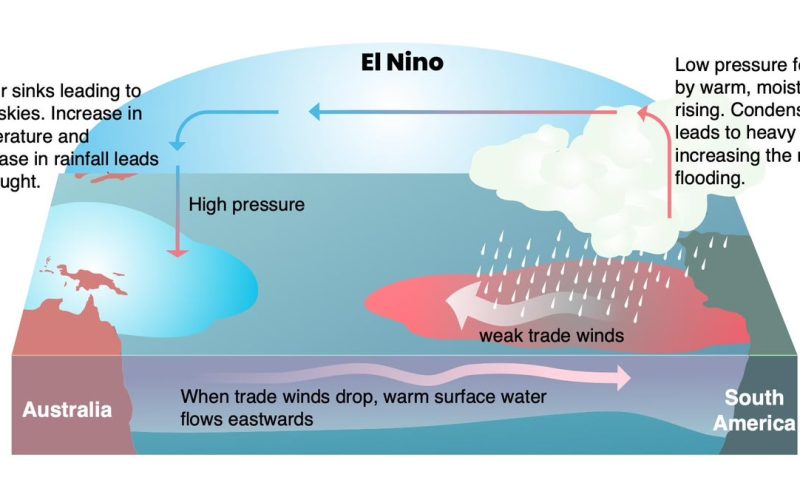
The conference comes at a time when communities across different continents are experiencing increasingly difficult environmental conditions, including prolonged droughts, destructive floods, extreme temperatures and changing rainfall patterns. These developments have intensified concerns about the future of agriculture, food security, public health and economic stability.
For many countries, climate change is no longer an issue limited to environmental discussions. It has become a major development challenge affecting national budgets, employment opportunities and the everyday lives of ordinary citizens.
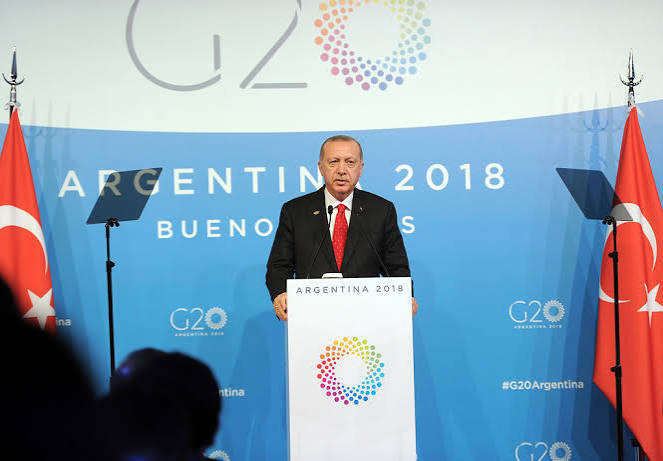
The international gathering in Antalya provides an opportunity for governments to review previous climate commitments and discuss practical measures for reducing greenhouse gas emissions. Participants are also expected to consider how vulnerable countries can receive financial and technological support to respond to environmental challenges.
One of the biggest concerns facing developing countries is the financial cost of adapting to climate change. While wealthy economies have greater access to resources and advanced technologies, poorer countries often struggle to finance infrastructure that can protect communities against extreme weather.
African countries are particularly vulnerable because millions of people depend on agriculture for employment and household income. Changes in rainfall can affect planting seasons, reduce crop production and increase the cost of food.
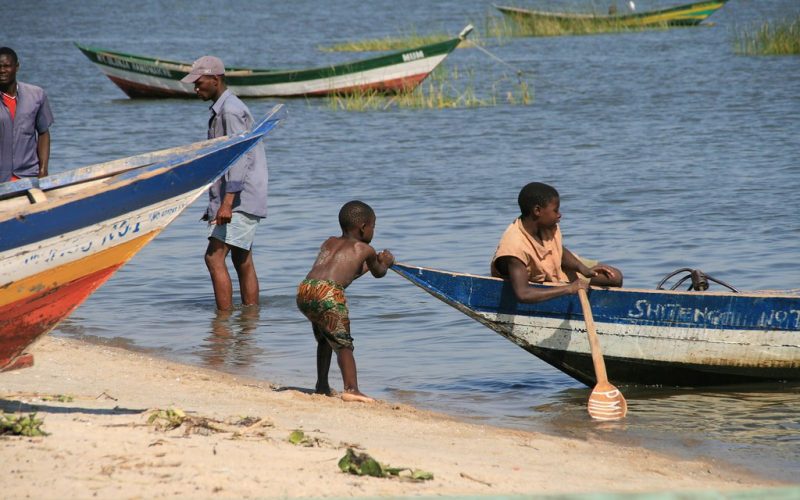
In East Africa, unpredictable weather conditions have created challenges for farmers who rely heavily on seasonal rainfall. Uganda, Kenya and Tanzania are among the countries where agricultural communities must continuously adjust to changing environmental conditions.
For small-scale farmers, a delayed rainy season can mean postponed planting, reduced harvests and lower household incomes. Severe flooding can also destroy crops, damage roads and interrupt the transportation of agricultural products to markets.
These challenges demonstrate why African governments are calling for stronger international cooperation on climate adaptation.
Another important issue expected to dominate international discussions is the transition towards renewable energy.
For decades, many countries have depended heavily on coal, oil and natural gas to generate electricity and support industrial development. However, the continued burning of fossil fuels contributes significantly to greenhouse gas emissions.
Solar, wind and hydropower technologies offer alternatives that could help reduce dependence on traditional energy sources.
Africa has considerable renewable energy potential. Countries with strong sunshine, rivers and suitable wind conditions have opportunities to expand clean electricity production.
Uganda, for example, has significant hydropower resources and growing opportunities in solar energy. Expanding access to renewable electricity could support businesses, schools, healthcare facilities and rural communities.
Nevertheless, renewable energy development requires investment in transmission networks, energy storage and modern infrastructure.
Climate financing therefore remains a central issue for developing countries.
African representatives have consistently argued that nations that contributed relatively little to historical greenhouse gas emissions should not be left carrying the greatest financial burden of climate change.
They want international partners to provide accessible funding for climate adaptation, disaster preparedness, environmental conservation and renewable energy development.
“Governments across the world are facing renewed pressure to take stronger action against climate change as international leaders,…”
The protection of forests is another important priority.
Forests absorb carbon dioxide, protect biodiversity and support communities that depend on natural resources. However, deforestation continues to threaten ecosystems in several parts of the world.
The Amazon rainforest, the Congo Basin and other tropical forest regions are particularly important in global environmental discussions.
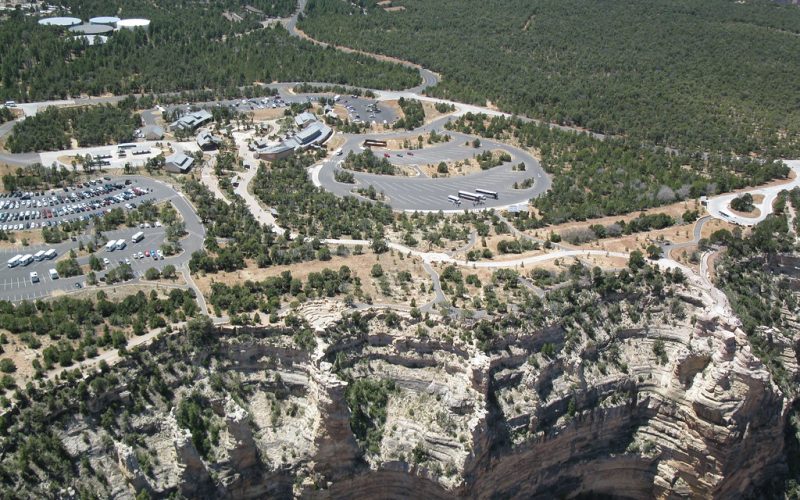
The Congo Basin, which extends across several Central African countries, represents one of the world’s most important tropical forest ecosystems. Protecting it is essential for biodiversity, environmental stability and the livelihoods of surrounding communities.
International climate discussions must therefore consider the needs of people living in forest regions while encouraging sustainable economic activities.
Climate change also presents serious public health concerns. Extreme temperatures can increase heat-related illnesses, while floods may contaminate drinking water and create conditions that increase the spread of certain diseases.
Governments must consequently strengthen healthcare systems and improve early-warning mechanisms to protect vulnerable populations.
For developing countries, access to accurate weather information can make an important difference. Farmers who receive reliable forecasts can make better decisions about planting, harvesting and protecting their crops.
Environmental experts also emphasise the importance of education. Communities need information about sustainable farming, water conservation, waste management and environmental protection.
The success of COP31 will ultimately depend on whether governments move beyond promises and implement practical programmes.
Developing countries are looking for measurable financial commitments, while environmental organisations want stronger action to reduce emissions and protect natural ecosystems.
For Africa, the conference represents an opportunity to demand greater international cooperation and investment in climate resilience.
The continent has enormous potential to contribute to global environmental solutions, but it needs the necessary resources, technology and partnerships.
As discussions continue in Turkey, the world faces an important question: can governments work together to protect the planet while ensuring that economic development remains inclusive?
For millions of people already experiencing the effects of climate change, the answer cannot be postponed indefinitely.