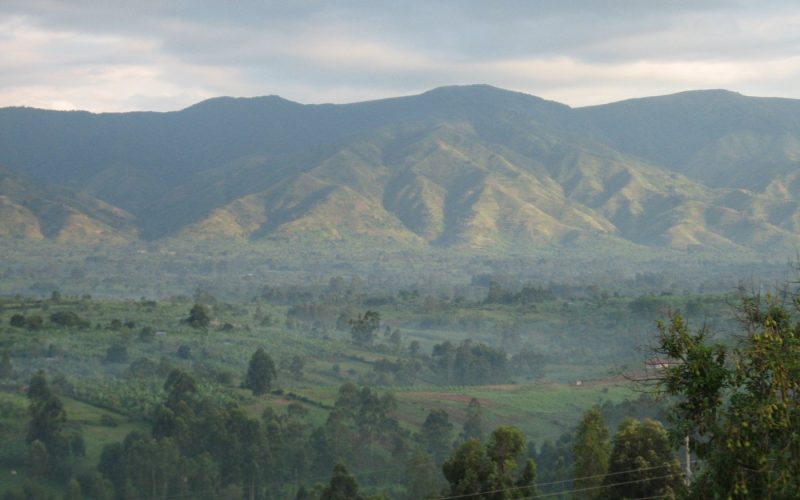

Across the continent, one of the largest environmental undertakings in history is proceeding farm by farm, tree by tree — and it is working.
Farmer-managed natural regeneration, the practice of nurturing rather than clearing native trees on farmland, has restored millions of hectares of degraded land, lifting yields while storing carbon.
The appeal is economic as much as ecological: restored land retains water, resists drought and produces fodder, fuelwood and fruit — insurance written into the landscape itself.
Climate finance is finally beginning to flow toward these grassroots efforts, though practitioners note funding still moves far slower than the planting season.
“Farmer-led restoration across the continent is reviving soils, storing carbon and rebuilding rural economies from the ground up.”
The deeper shift is philosophical. Restoration succeeds where it treats farmers as the solution rather than the problem — a lesson decades of failed projects wrote in dry earth.