
Climate change is putting growing pressure on the world’s water systems, affecting rivers, lakes, glaciers, groundwater and rainfall patterns across different regions.
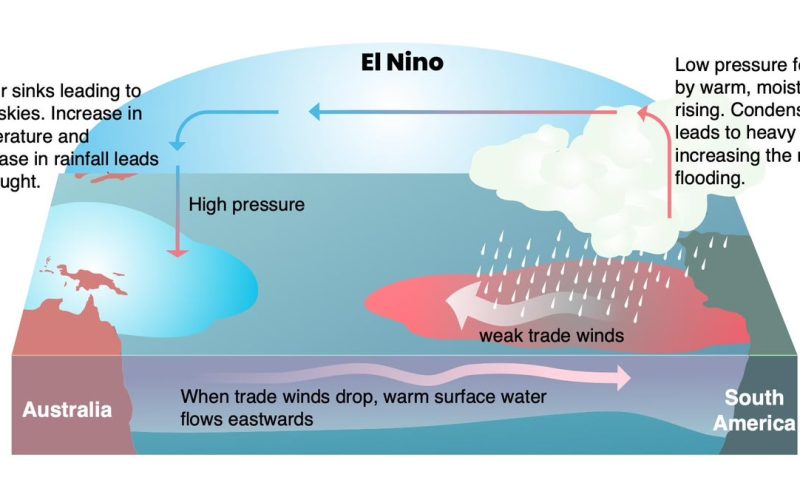
Water is closely connected to the climate system. Rising temperatures can alter rainfall patterns, increase evaporation and accelerate the loss of snow and ice that provide freshwater to millions of people.
The consequences are not the same everywhere. Some regions face longer and more severe droughts, while others experience heavier rainfall and flooding. These changes can make it harder for communities to manage drinking-water supplies, agriculture and infrastructure.
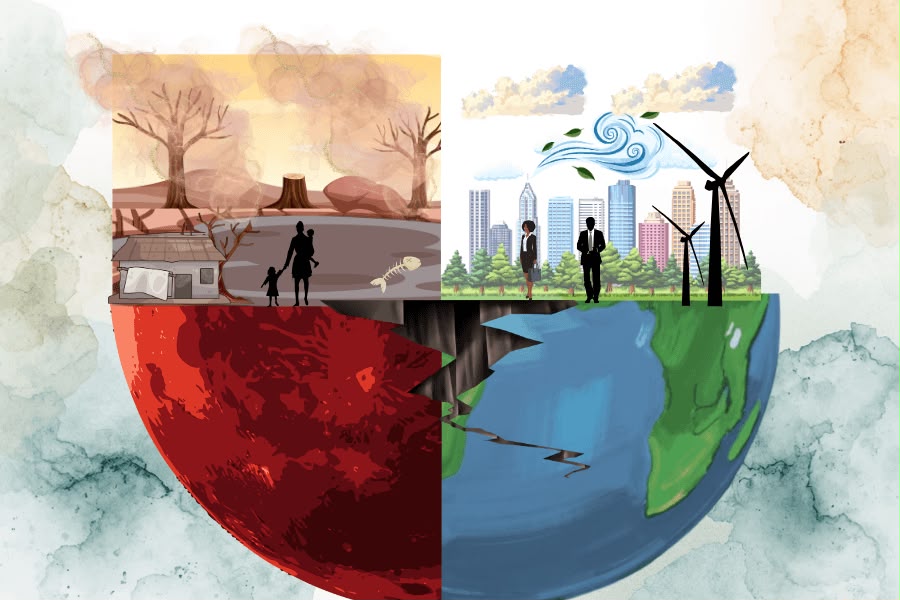
The United Nations says climate change is exacerbating both water scarcity and water-related hazards, including droughts, by disrupting precipitation patterns and the wider water cycle. (United Nations)
“Water will always be the lifeblood of humanity.”
That statement was made by the President of the UN General Assembly during remarks on water and sustainable development, highlighting the central role water plays in human societies and ecosystems. (United Nations)
Agriculture is particularly exposed to changing water conditions. Farmers depend on predictable rainfall and adequate supplies for crops and livestock. When rainfall becomes unreliable, planting seasons can become more difficult to manage. Heavy rainfall can also wash away soil, damage crops and contaminate water sources.
The problem extends to cities. Heavy rainfall can overwhelm drainage systems and increase flood risks, while prolonged dry periods can reduce reservoirs and groundwater supplies.
Glaciers are another important part of the global water system. In mountain regions, glacier melt contributes to river flows that support communities, agriculture and ecosystems. Continued ice loss can alter the timing and amount of water available downstream.
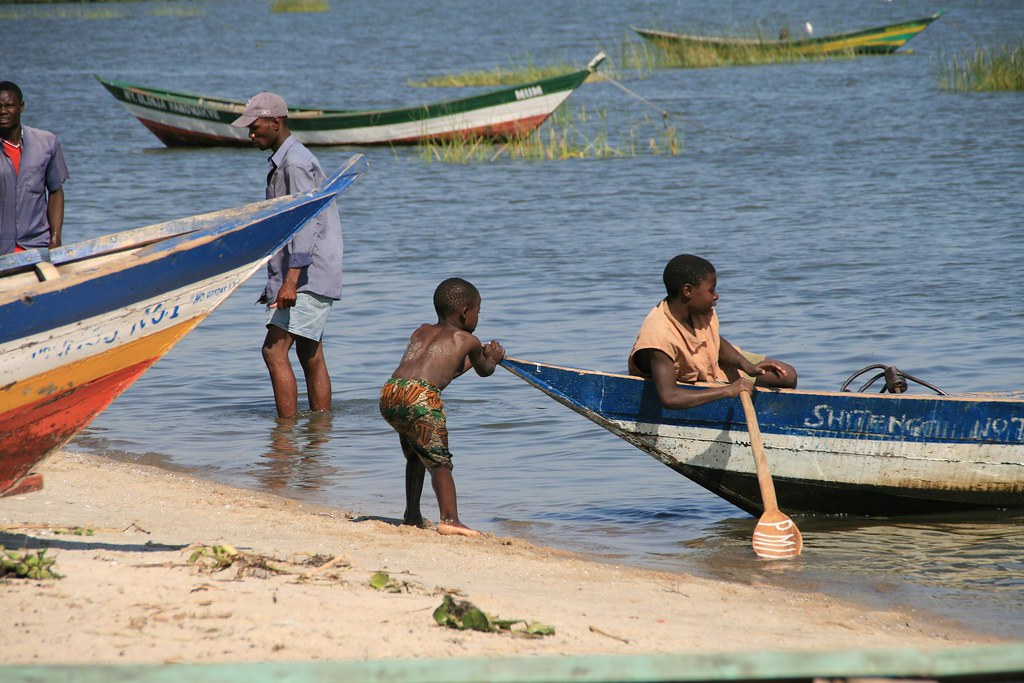
“Pollution, invasive weeds and overfishing pushed the world's second-largest freshwater lake to the edge. A coalition is now…”
Climate change can also affect water quality. Floods may carry sewage, chemicals and other pollutants into rivers and lakes, while warmer conditions can contribute to harmful algal growth in some freshwater environments.
Protecting water resources therefore requires both climate action and adaptation.
Measures can include improving irrigation efficiency, repairing leaking water infrastructure, protecting wetlands, restoring forests and expanding rainwater collection systems.
Wetlands are particularly valuable because they can absorb and store excess water during periods of heavy rainfall. They also provide habitat for wildlife and can help filter pollutants.
Reducing greenhouse-gas emissions remains important because adaptation cannot completely eliminate the risks associated with continued warming. Cleaner energy, greater energy efficiency and protection of ecosystems can help limit future climate pressures.
Water management must also reflect local conditions. A strategy that works in a drought-prone agricultural region may not be appropriate for a densely populated coastal city.
As climate change continues to influence rainfall, evaporation, snow and ice, protecting freshwater resources will become increasingly important for food security, public health, ecosystems and economic development.