Yemen’s internationally recognized government has launched a new military operation aimed at taking territory from the Houthi movement, opening another potentially significant phase in the country’s prolonged conflict.
Rashad al-Alimi, chairman of Yemen’s Presidential Leadership Council, announced the operation on October 4, saying government forces had been ordered to begin military operations to restore state control over areas held by the Houthis.
The Houthis, also known as Ansar Allah, have controlled Yemen’s capital, Sanaa, and large parts of the north and west of the country since they seized the capital in 2014. Their expansion triggered a wider conflict involving the Yemeni government and a Saudi-led military coalition.
A truce in 2022 significantly reduced large-scale fighting between the main sides, but it did not produce a permanent political settlement. The latest escalation shows that the underlying conflict remains unresolved.
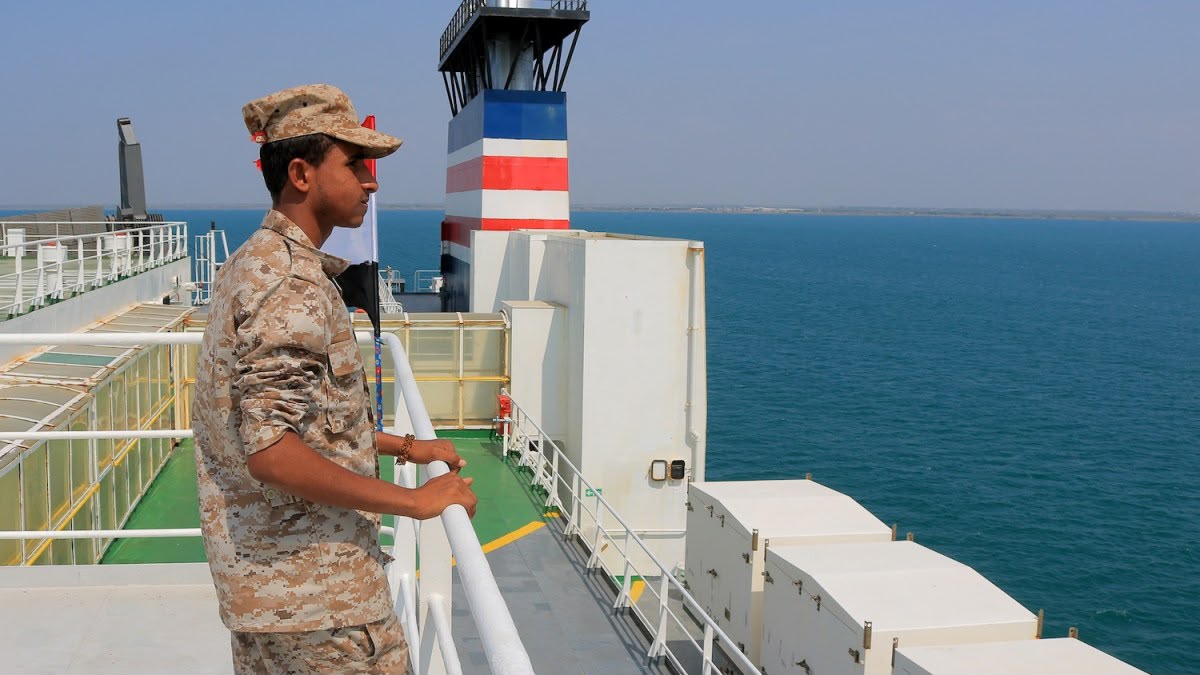
According to Reuters, Houthi forces have recently made gains around the strategic Bab el-Mandeb Strait and along part of Yemen’s Red Sea coastline. Control or influence around the waterway has major international significance because the Bab el-Mandeb connects the Red Sea with the Gulf of Aden.
The route is particularly important for international shipping. Vessels travelling between Europe and Asia can use the Red Sea and the Suez Canal to avoid the much longer journey around Africa. Security problems in the region can therefore increase shipping costs and disrupt international supply chains.
The renewed fighting around Taiz is another major concern.
Taiz has been divided by the conflict for years and remains strategically important because of its location and road connections between different parts of Yemen. Fighting around the city can affect the movement of people, food and other essential supplies.
The humanitarian situation adds another dimension to the military escalation.
Yemen has faced years of food insecurity, displacement and damage to infrastructure. The United Nations and international aid organizations have repeatedly warned that millions of people remain dependent on humanitarian assistance.
Renewed fighting could make those conditions more difficult by restricting access to communities and forcing more families to leave their homes.
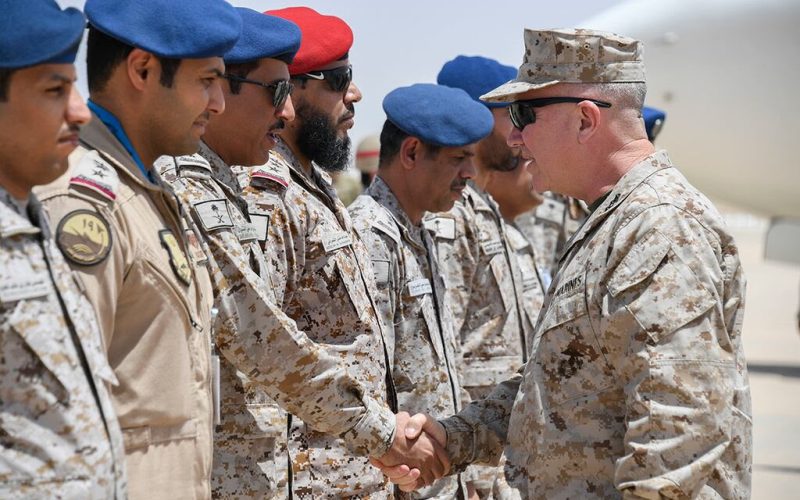
Saudi Arabia remains an important supporter of Yemen’s internationally recognized government. Riyadh has been involved in the Yemen conflict for years and has continued to provide military and political support to the government.
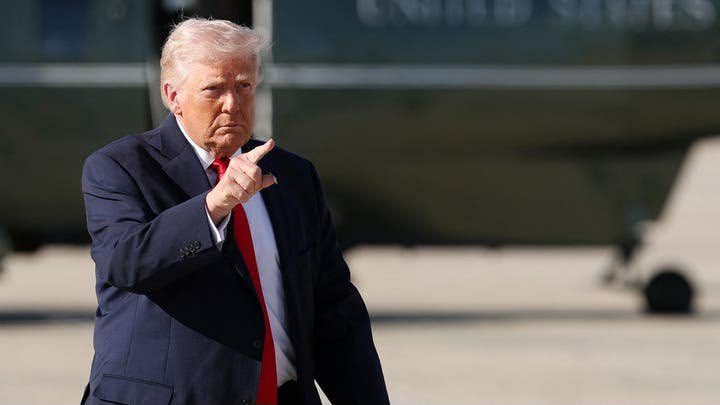
The United States has also provided intelligence assistance to Saudi operations, while other countries have provided different forms of security support, according to people familiar with the situation cited by Reuters.
The Houthis have meanwhile maintained the ability to use missiles and drones as part of their military strategy.
The group has claimed responsibility for attacks against targets in Saudi Arabia, although individual claims are not always independently verified. Such attacks have raised concerns about the safety of energy facilities and other critical infrastructure in the region.
The conflict also has a wider regional dimension.
“Yemen’s Presidential Leadership Council chairman Rashad al-Alimi, speaking in a televised address on October 4.”
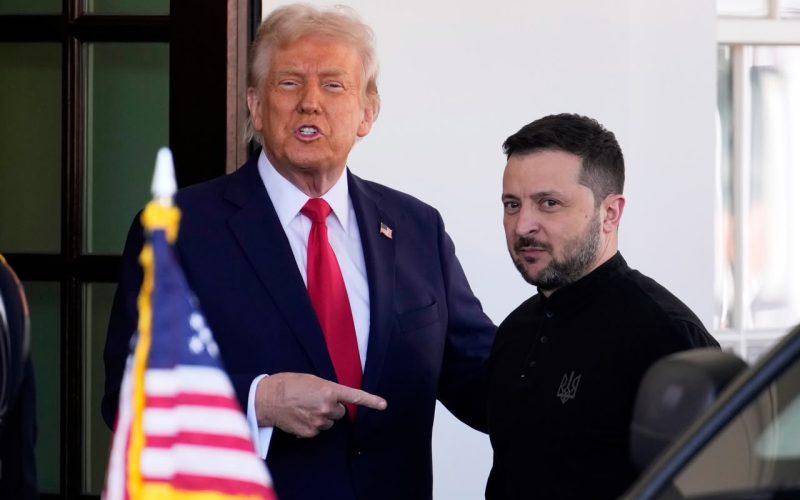
The Houthis have developed close ties with Iran, while Saudi Arabia has supported Yemen’s internationally recognized authorities. The United States has also become directly involved in efforts to protect regional security and shipping.
These relationships mean that developments inside Yemen can have consequences beyond its borders.
The Red Sea is especially important because it is part of a major international trade corridor. Disruptions can affect shipping schedules, insurance costs, fuel consumption and the price of transporting goods between Asia, Europe and other markets.
Any prolonged deterioration in security around the Bab el-Mandeb could therefore create additional pressure on businesses that depend on predictable global transportation.
For Yemen’s government, however, the immediate priority is regaining territory and strengthening its position against the Houthis.
The challenge is substantial. The Houthis have maintained control over large parts of northern Yemen for more than a decade and have developed military capabilities that have allowed them to withstand sustained pressure.
A new offensive could change the balance of power, but it could also develop into another prolonged period of fighting if neither side can achieve a decisive advantage.
The outcome will depend on the ability of government forces and their regional partners to maintain the campaign, while the Houthis are likely to attempt to defend their existing territory and military positions.
For civilians, another escalation carries significant risks regardless of the eventual military outcome.
Yemen has already experienced extensive damage to homes, roads, hospitals and other infrastructure during years of conflict. Further fighting could disrupt basic services and increase the number of people requiring humanitarian assistance.
The international community will therefore be watching both the military campaign and its impact on civilians and regional security.
The latest offensive marks an important development in Yemen’s long-running conflict, but it remains unclear whether it will lead to a lasting change in the country’s political and military balance.
What happens next could also affect the security of the Red Sea, one of the key waterways connecting global markets.
For Yemen, the central issue remains control of its territory and the possibility of eventually reaching a political settlement. For the wider international community, the conflict carries additional concerns over humanitarian conditions, regional stability and the uninterrupted movement of global trade.