Saudi Arabia has vowed to respond to attacks on its airports claimed by Yemen’s Houthi movement, raising fears that the escalating conflict involving Iran could spread further across the Middle East and threaten regional aviation, energy supplies and international shipping.
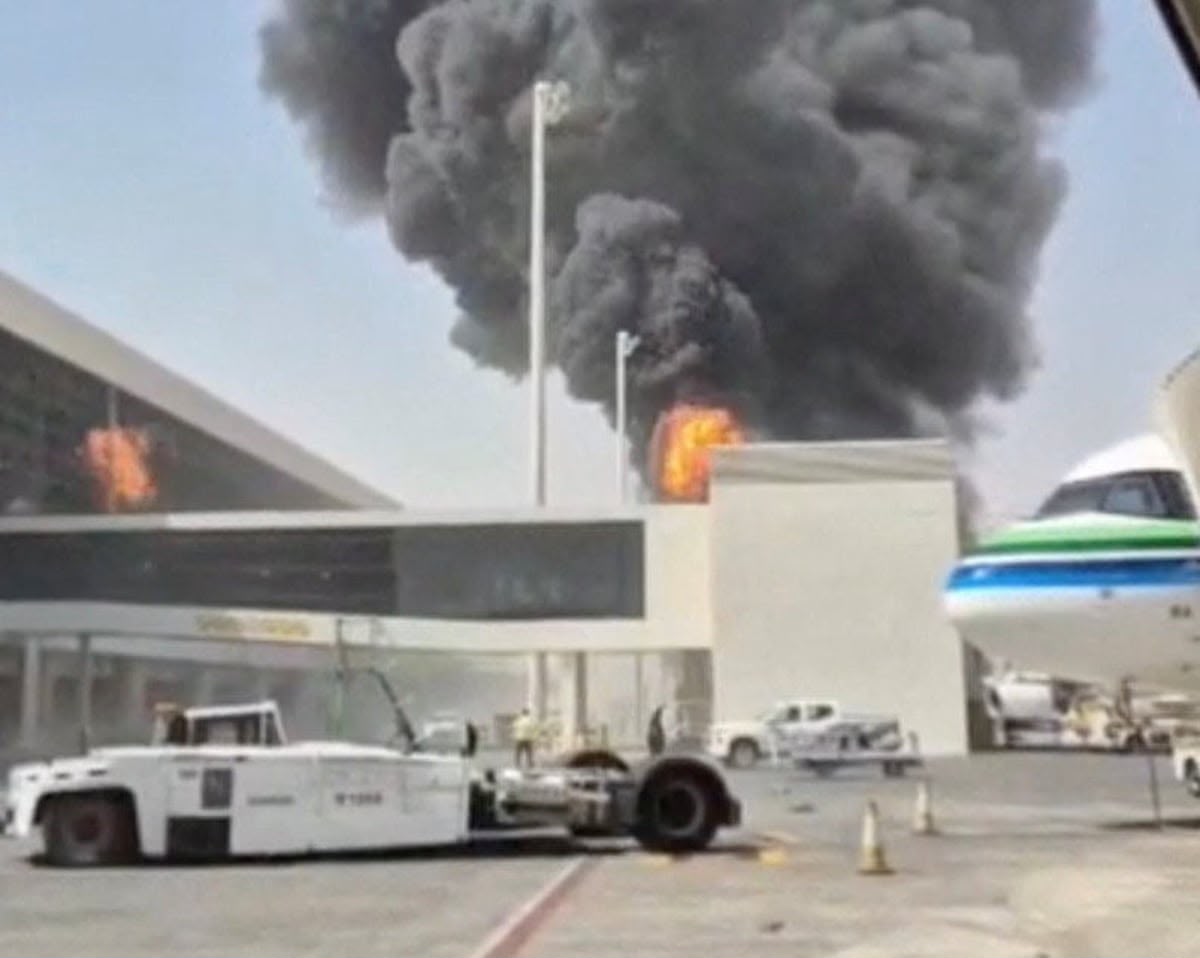
The latest escalation followed a missile attack on King Khalid International Airport in Riyadh on Saturday, October 10, which killed at least 12 people and injured more than 300, according to Saudi authorities and reporting by The Associated Press. India’s embassy later reported that another victim died from injuries sustained in the attack, bringing the reported death toll to 13.
The Houthis, an armed movement that controls Yemen’s capital, Sanaa, claimed responsibility for the attacks. Saudi Arabia’s response could open another phase of confrontation between the kingdom and the group, which is backed by Iran.
The developments are particularly significant because they come amid a wider conflict involving Iran, the United States and regional partners. They also threaten commercial aviation and shipping routes that are important to the global economy.
Saudi Arabia promises a response
Saudi Arabia said on Sunday that it would respond decisively to the attacks attributed to the Houthis.
The threat followed another strike on the Riyadh airport complex on Sunday, when a projectile hit a passenger terminal and caused further injuries. Saudi authorities also reported an attack involving another major airport in the country’s east.
The repeated attacks have raised questions about the security of Saudi Arabia’s aviation infrastructure, including facilities used by international travellers, business visitors and government officials.
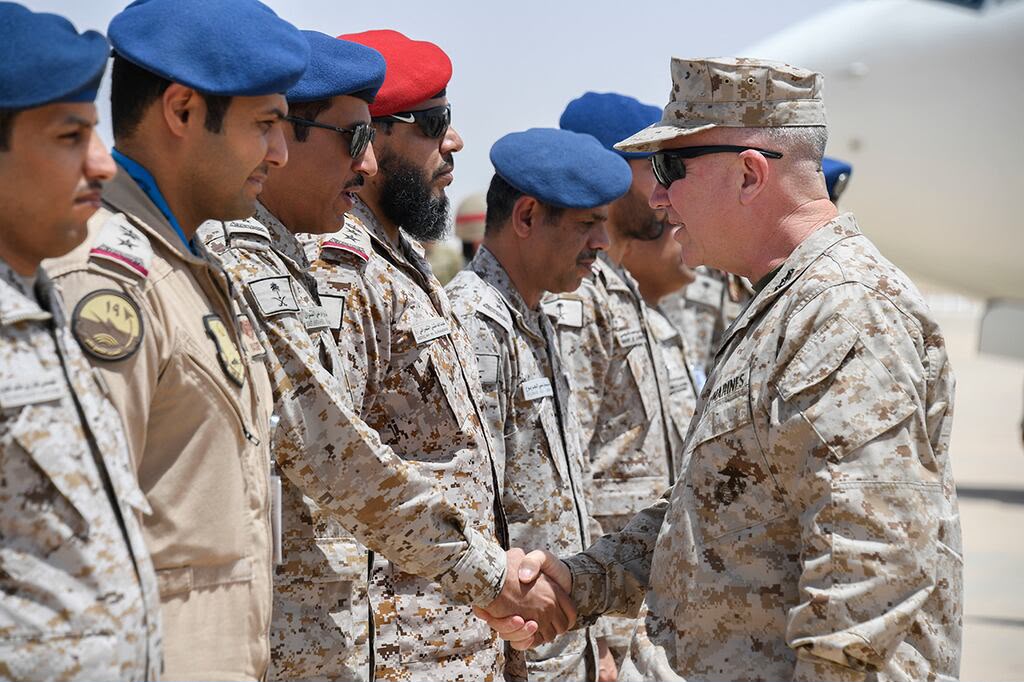
The Saudi-led coalition fighting the Houthis described the airport attack as a serious violation and signalled that the kingdom would not ignore the threat.
The attacks also prompted foreign missions to issue travel warnings and advise citizens to exercise caution when using airports in Saudi Arabia.
For the kingdom, protecting civilian infrastructure is an immediate concern. Airports support tourism, business travel, international trade and the movement of essential goods. Prolonged disruption could affect airlines, passengers and companies operating across the Gulf.
How Iran and Yemen became connected to the confrontation
The Houthis have maintained close ties with Iran, which has supported the movement as part of its wider regional relationships. Tehran’s influence and the group’s growing military capabilities have become important factors in the security calculations of Saudi Arabia and other Gulf states.
However, the Houthis are a distinct movement with their own leadership and political objectives. Their decisions should not automatically be treated as direct orders from Iran, and the extent of Iranian involvement in individual operations requires evidence.
The immediate escalation between Saudi Arabia and the Houthis followed a dispute over an Iranian aircraft attempting to reach Sanaa in July.
Yemen’s internationally recognised government said it attacked the runway at Sanaa airport to prevent the Iranian aircraft from landing. The Houthis condemned the action and threatened retaliation against Saudi targets.
According to reporting by Reuters, Iranian personnel and military-related equipment were also transported towards Yemen on an Iranian flight during the same period, citing sources familiar with the matter. Iran has previously denied providing the Houthis with missile capabilities.
The dispute over the aircraft developed into a wider confrontation involving threats, strikes and concerns about control of Yemeni airspace.
The subsequent attacks on Saudi infrastructure show how a dispute involving access to an airport can become part of a much broader regional security crisis.
The wider Iran conflict adds pressure
The confrontation between Saudi Arabia and the Houthis is unfolding alongside the wider war involving Iran and the United States.
Washington has provided intelligence support to Saudi Arabia, according to officials cited by The Washington Post. President Donald Trump has also said he is considering whether the United States should join Saudi strikes against the Houthis.
Any direct American military intervention could expand the conflict and increase the risk of retaliatory attacks against US partners and regional infrastructure.
Saudi Arabia is a key US partner and a major energy producer. Attacks on its airports and oil facilities therefore carry implications beyond the immediate security situation.
The Houthis have also claimed attacks on energy installations in Saudi Arabia. Those claims should be distinguished from independently confirmed damage, but they have added to concerns about the security of the kingdom’s energy infrastructure.
For regional governments, the central challenge is preventing the confrontation from developing into a broader conflict involving more countries.
Why the Red Sea matters
“Saudi Arabia has vowed to respond to attacks on its airports claimed by Yemen’s Houthi movement, raising fears…”
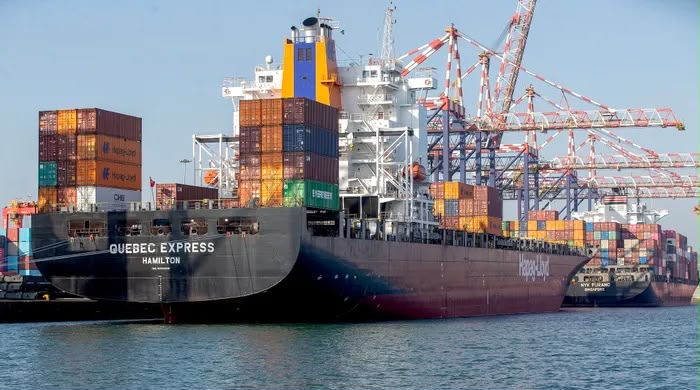
The crisis also threatens the Bab el-Mandeb Strait, a strategic waterway connecting the Red Sea to the Gulf of Aden and the wider Indian Ocean.
The passage is important for commercial shipping travelling between Europe and Asia through the Suez Canal. Disruption can force vessels to take longer routes around southern Africa, increasing fuel consumption, insurance costs and delivery times.
The Houthis have previously attacked shipping in the region, and the latest escalation has renewed concerns about the safety of commercial vessels.
The Red Sea is particularly important because it offers an alternative route for some energy shipments when other regional waterways face disruption.
If attacks expand, shipping companies could reconsider their routes, while insurers may increase premiums for vessels operating in high-risk areas. Those additional costs can eventually affect the prices of imported goods.
For businesses in Africa, Europe and Asia, prolonged disruption could increase transport expenses and complicate supply chains.
Oil markets and international trade face uncertainty
Saudi Arabia’s position as a major oil producer means that any sustained threat to its energy infrastructure attracts international attention.
Markets respond not only to confirmed losses in production but also to the risk that future attacks could interrupt supplies.
If the confrontation damages important facilities or shipping routes, oil prices could face additional upward pressure. Higher energy costs can increase expenses for airlines, manufacturers, transport companies and households.
The impact would depend on the extent of any disruption, the availability of alternative supplies and how quickly shipping and production operations could return to normal.
Governments and businesses are therefore likely to monitor developments closely, particularly any announcements involving military retaliation or restrictions on regional airspace.
Civilians remain at risk
Beyond the strategic and economic implications, the attacks have caused civilian deaths and injuries.
The reported victims of the Riyadh airport attack included people of several nationalities, underlining the international character of the aviation hub.
Further strikes could place passengers, airport employees and residents at additional risk. In Yemen, renewed fighting could also worsen humanitarian conditions in a country already affected by years of conflict and economic hardship.
International efforts to prevent further escalation will need to address both immediate security concerns and the consequences for civilians.
What happens next?
Saudi Arabia’s threatened retaliation leaves the region facing an uncertain period.
The next developments will depend on whether the kingdom launches further operations, whether the Houthis continue attacks on Saudi territory and whether the United States becomes directly involved.
Diplomatic efforts could help limit the confrontation, but the dispute over Yemen’s airspace, the movement’s relationship with Iran and the wider regional war remain serious obstacles.
For now, the airport attacks have demonstrated how quickly tensions in Yemen can affect neighbouring countries and international transport networks.
The situation is no longer only a local security dispute. Its potential consequences extend to Gulf stability, global energy markets and shipping through one of the world’s strategically important maritime corridors.
The coming days will be crucial in determining whether the confrontation remains limited or develops into a wider regional crisis.