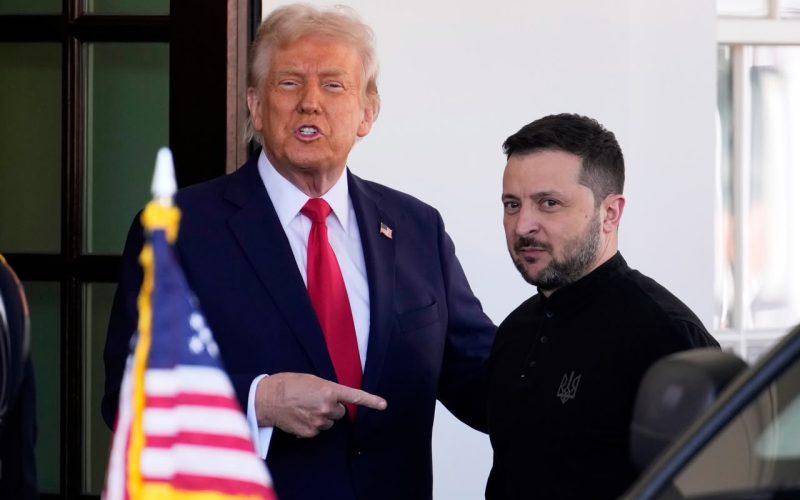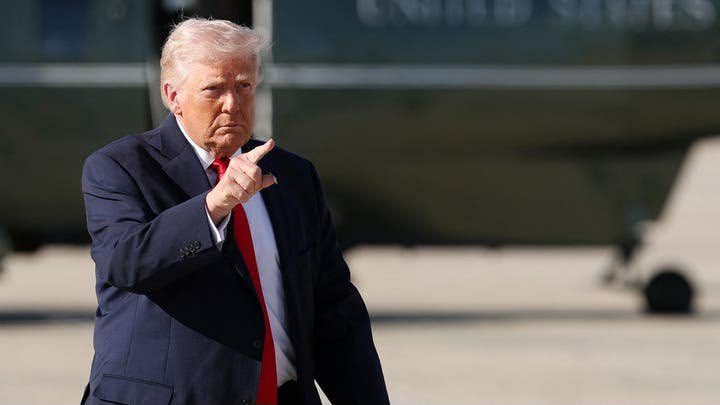
US President Donald Trump has announced that Russia and Ukraine have agreed to an energy ceasefire, raising hopes of a possible reduction in attacks on critical infrastructure as the war continues to put pressure on energy supplies and international relations.
Trump made the announcement on Sunday through his social media platform, saying the agreement would take effect immediately. However, the announcement did not provide a detailed explanation of the terms, how compliance would be monitored or what consequences either side might face if attacks continued.
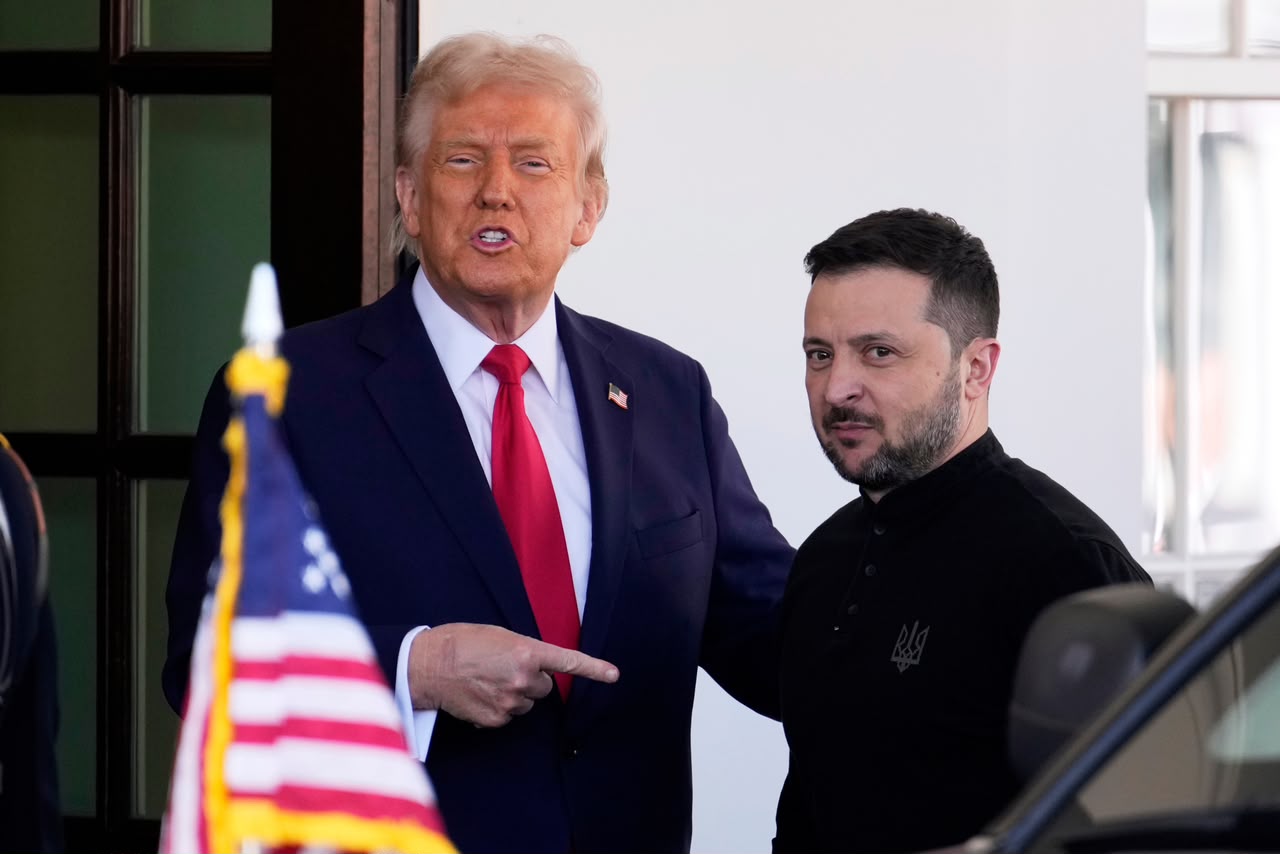
The lack of clarity has left important questions about the arrangement, particularly because Ukraine has continued to report Russian attacks against its territory and energy infrastructure.
The announcement comes amid growing international concern about the consequences of the conflict, which has repeatedly disrupted energy facilities, transportation networks and economic activity.
Trump calls for an immediate halt
Trump presented the proposed arrangement as an agreement between the two countries to stop attacks on energy infrastructure.
“Effective immediately, there is an ENERGY CEASEFIRE in the War between Russia and Ukraine. Both parties have agreed,” Trump wrote on social media.
He added a warning urging both sides not to break the agreement.
The statement did not include a formal document outlining the arrangement. It also did not specify whether the ceasefire covered every type of energy installation, including oil refineries, electricity generation facilities, power stations and fuel storage sites.
Those details matter because attacks on energy infrastructure can affect civilians far beyond the immediate area of fighting. Damage to electricity networks can interrupt heating, water supplies, communications and essential public services, while strikes on refineries can disrupt fuel distribution and contribute to price volatility.
According to reporting by Reuters and the Associated Press on Sunday, the terms of the announced arrangement remained unclear.
Zelenskyy says Ukraine is prepared to reciprocate
Ukrainian President Volodymyr Zelenskyy has indicated that Ukraine is prepared to stop striking Russian energy facilities if Moscow also halts attacks on Ukrainian energy infrastructure.
That position places the emphasis on reciprocal action rather than a unilateral commitment by Kyiv.
Ukraine has repeatedly argued that its response to Russian attacks must be considered alongside the damage caused to Ukrainian cities and critical infrastructure. Russia, meanwhile, has continued its military campaign against Ukraine.
The Ukrainian position raises a central question for any proposed energy ceasefire: whether both governments can agree on the same rules and demonstrate that they are following them.
Without a clear mechanism for confirming compliance, individual attacks could quickly generate accusations of violations and undermine confidence in the arrangement.
The announcement therefore represents a potentially important diplomatic development, but it should not yet be interpreted as evidence that the wider war is nearing an end.
Why energy infrastructure matters
“US President Donald Trump has announced that Russia and Ukraine have agreed to an energy ceasefire, raising hopes…”
Energy facilities have become an important part of the wider conflict because they support military operations and everyday civilian life.
For Ukraine, damage to power infrastructure can create additional pressure on households, businesses and emergency services. Electricity shortages can also affect industrial production and the ability of public institutions to operate normally.
Attacks on Russian oil refineries and other energy facilities can affect domestic fuel supplies and the country’s ability to process and distribute petroleum products. Any sustained disruption may also influence international energy markets, depending on the scale of the damage and the availability of alternative supplies.
The effects can extend beyond Russia and Ukraine. Energy prices influence transport, manufacturing, agriculture and the cost of goods in countries that depend on imported fuel.
For lower-income economies, including countries that import substantial quantities of petroleum products, prolonged increases in fuel costs can put pressure on household budgets and business operating expenses.
An effective agreement to protect energy infrastructure could therefore offer humanitarian and economic benefits, provided both sides follow its terms.
A ceasefire is not a comprehensive peace agreement
Even if Russia and Ukraine successfully stop attacking energy facilities, many major disagreements would remain unresolved.
The two countries continue to face difficult questions involving territory, security, military operations and the political future of the conflict. A limited agreement on energy infrastructure would not automatically settle those issues or establish a lasting peace.
Diplomatic progress would depend on whether the announcement develops into a clearly defined arrangement that both governments accept and implement.
International observers will also be watching for evidence that attacks have stopped, rather than relying solely on public statements from political leaders.
What happens next?
The immediate priority is to establish what the announced ceasefire covers and whether Russia and Ukraine are both prepared to comply.
Further official statements from Kyiv, Moscow and Washington could clarify the arrangement’s scope, duration and enforcement. Until those details become available, claims about its effectiveness should be treated cautiously.
For civilians living near the front lines, the most meaningful result would be a verifiable reduction in attacks on the infrastructure that provides electricity, heating and other essential services.
Trump’s announcement has placed a possible energy ceasefire at the centre of international attention. Whether it produces a genuine reduction in attacks will depend on the actions of Russia and Ukraine in the days ahead.
For now, the announcement marks a potential opening for limited de-escalation, but the absence of clearly established terms means that the durability of the arrangement remains uncertain.