The United States has withdrawn its bombers from RAF Fairford in England following heightened security concerns around the military base and an investigation into an alleged plot targeting the site.
The aircraft had been deployed at the Gloucestershire base as part of U.S. military operations. Their return to American territory comes after British authorities arrested several people in connection with suspected preparations for an attack near the base.
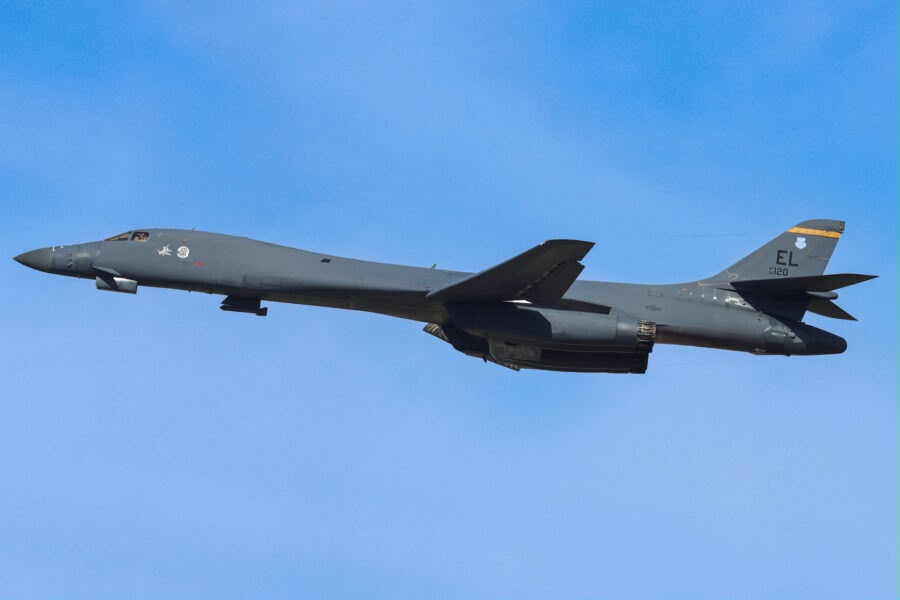
The arrests have increased attention on the security of RAF Fairford, a long-standing hub for U.S. heavy bombers operating in Europe.
British authorities began investigating the suspected plot after an incident near the base on September 27. Several men were arrested as part of the investigation, although authorities have not publicly established that an attack was imminent.
No explosive device was found during searches linked to the investigation, according to British authorities. Petrol was reportedly recovered from vehicles examined by investigators.
The case has also raised questions about whether a foreign government may have been involved. British officials have pointed to possible links to Iran, while Tehran has denied involvement.
The allegations remain under investigation, and no final conclusion has been announced about who was behind the suspected operation or what its precise objective may have been.
David Des Roches, a former NATO operations director and former U.S. Defense Department official, has highlighted the security challenges facing aircraft stationed at exposed military facilities.
He said aircraft at bases such as Fairford could potentially face threats from relatively inexpensive technologies, including drones capable of carrying explosives.
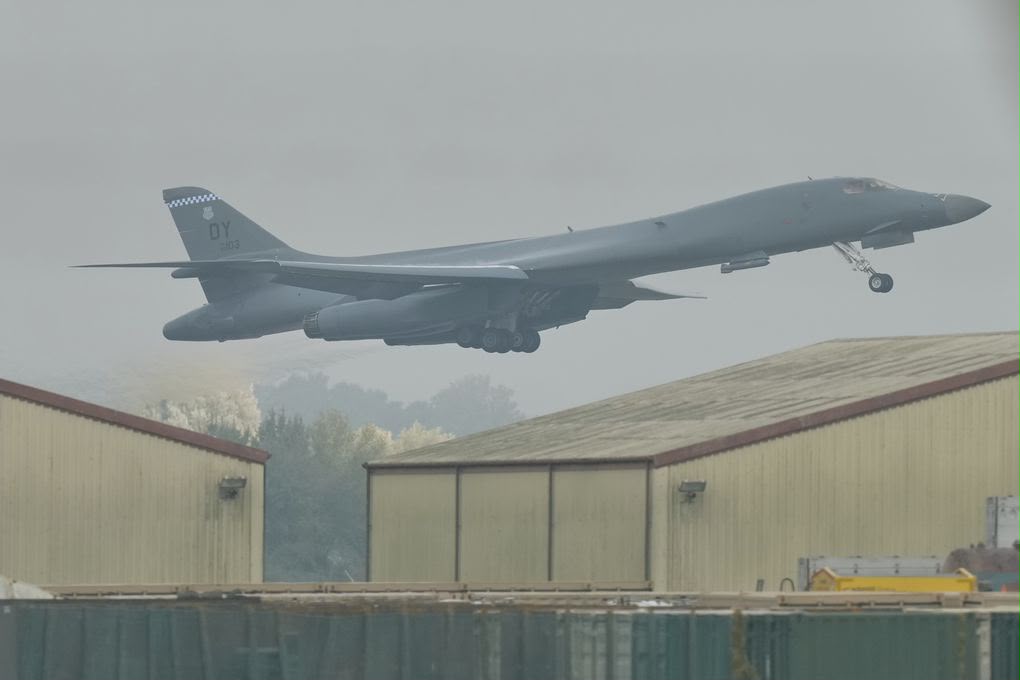
The concern is particularly significant because U.S. strategic bombers are among the most valuable aircraft in the American military. The B-1B Lancer, for example, is designed for long-range missions and can carry a large weapons payload.
RAF Fairford has supported U.S. bomber operations for decades and is one of the few European airfields capable of accommodating America’s largest strategic aircraft.
Its location has made it an important staging point for American military activity in Europe and beyond.
The withdrawal does not mean the U.S. bomber fleet has been removed from operational duty. American officials have indicated that the aircraft remain available for missions and can operate from bases in the United States.
“The aircraft at Fairford were particularly exposed because of the location and the potential vulnerability to relatively inexpensive…”
Instead, the move demonstrates the importance Washington is placing on protecting high-value aircraft from emerging security threats.
Military planners have increasingly had to consider threats that can come from outside traditional battlefields. Small drones, for example, can be relatively inexpensive compared with the aircraft and infrastructure they may be capable of damaging.
That changing threat environment has forced militaries to reconsider how they protect airfields, aircraft and other sensitive installations.
The Fairford investigation comes at a particularly sensitive time, with tensions involving Iran and Western countries remaining high. The base has been associated with U.S. military operations in the region, making its security an important issue for both Washington and London.
British counter-terrorism investigators are continuing to examine the suspected plot. The people arrested in connection with the case have not been convicted of any offence, and the investigation has yet to establish publicly whether the alleged operation was directed by a foreign government.
For the United States, however, the decision to remove the bombers illustrates how security assessments can quickly affect military deployments.
RAF Fairford remains an important U.S.-UK military facility, but the withdrawal shows that even established bases can face new vulnerabilities as the nature of modern threats changes.
The investigation will determine whether the suspected plot represented a coordinated attempt to target the base or something less developed. Until authorities reach that conclusion, questions about the motive, organization and potential foreign involvement will remain open.