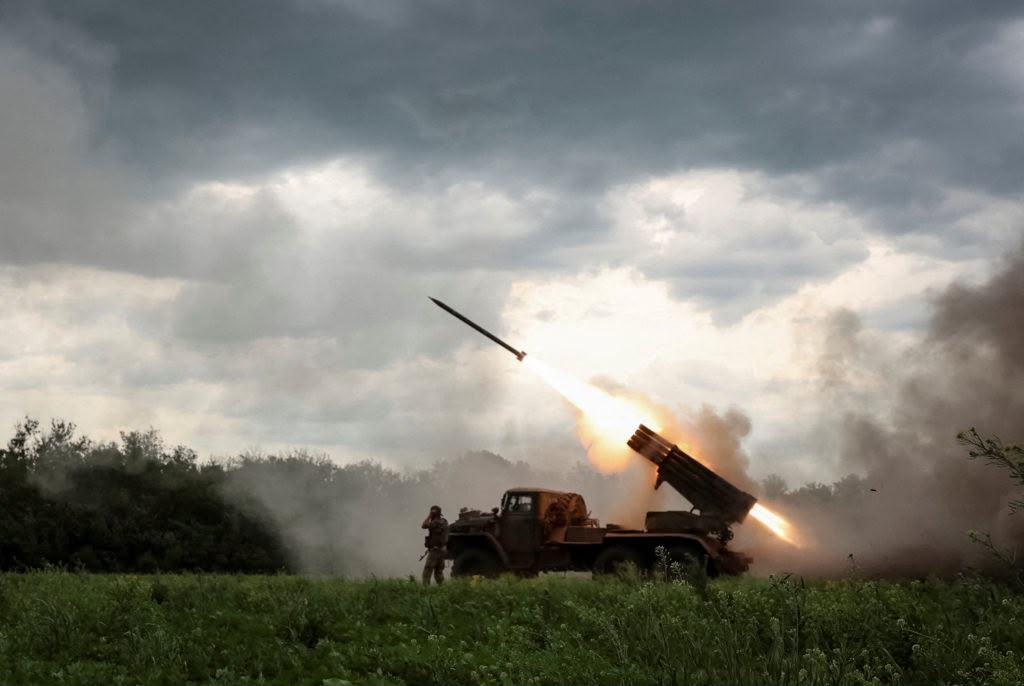
Ukraine has warned that Russia could be preparing a major new attack, prompting renewed calls from Kyiv for stronger military support from its Western allies.
President Volodymyr Zelenskyy said Tuesday that Ukrainian intelligence had detected signs that Russia was preparing what he described as a potentially large-scale attack. He said Ukraine was ready to defend itself but stressed that the country’s ability to withstand another major assault would depend partly on the weapons and air-defence systems available to its forces.
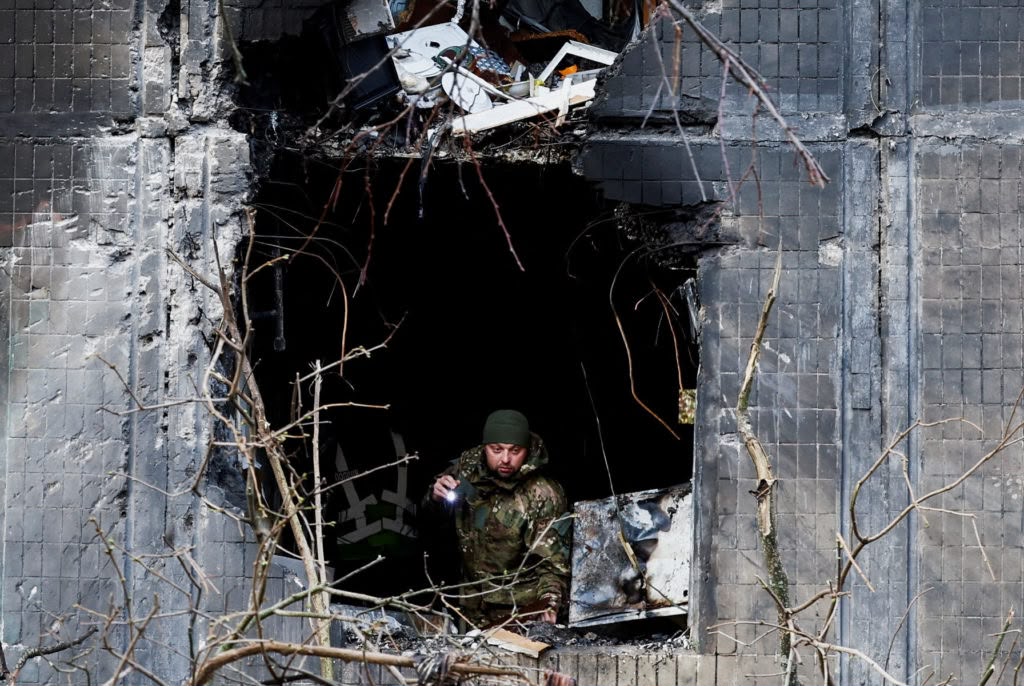
The warning comes as Russia and Ukraine continue exchanging increasingly powerful drone and missile attacks, with targets sometimes located hundreds of kilometres from the main battlefield.
Zelenskyy used his latest address to urge Ukraine’s international partners to maintain their support and provide the military capabilities needed to protect cities and critical infrastructure. Air-defence systems have become particularly important as both sides expand their use of long-range weapons.
Ukraine has repeatedly faced waves of Russian missile and drone strikes targeting energy facilities, transport infrastructure and other strategic locations. Kyiv has argued that strengthening its air defences is essential not only for protecting civilians but also for keeping the country’s economy and essential services operating during the war.
The latest warning also comes after a major Ukrainian drone operation directed toward Moscow and surrounding areas.
Russian authorities said hundreds of Ukrainian drones were intercepted on Tuesday, with Moscow Mayor Sergei Sobyanin reporting that more than 650 drones had been aimed at the capital. Russian officials also reported casualties and damage in the wider Moscow region.
Ukraine has increasingly used long-range drones to strike targets inside Russia, including facilities linked to the country’s military and energy infrastructure. Kyiv says such operations are intended to weaken Russia’s ability to continue its war effort.
The escalation illustrates how the conflict has expanded far beyond the trenches of eastern and southern Ukraine. Both countries now possess the ability to strike deep behind the other side’s lines, creating a wider security challenge for civilians and neighbouring states.
The Black Sea has also become another area of concern.
Two vessels were reportedly targeted in Bulgaria’s Black Sea zone on Tuesday, with one merchant ship sinking after a drone attack. The incidents have added to concerns about the safety of commercial shipping in waters that are important for regional trade. Ukraine has accused Russia of responsibility for the attacks, while the circumstances surrounding incidents during the war remain subject to competing claims.
The continuing attacks are being closely watched across Europe because the conflict affects more than the two countries directly involved.
European governments have spent years strengthening their military preparedness in response to Russia’s invasion of Ukraine. The war has also affected energy markets, trade routes, food supplies and security planning across the continent.
For Ukraine, however, the immediate priority remains protecting its population and infrastructure.
“Ukraine must be prepared for every scenario, while our partners must understand that strong air defence remains essential…”
Zelenskyy has repeatedly asked Western governments for additional air-defence equipment, ammunition and other military assistance. Ukraine argues that stronger defensive capabilities can reduce the damage caused by Russian attacks while giving its forces greater room to respond to threats.
The latest warning does not independently confirm that Russia will launch a specific large-scale attack. It represents Ukraine’s assessment based on intelligence available to its government. The situation could therefore change quickly as both sides adjust their military plans.
Still, the warning highlights the uncertainty surrounding the war as Ukraine and its allies prepare for another potentially difficult period.
A major Russian assault could place additional pressure on Ukraine’s cities, energy network and civilian population. It could also increase demands on European governments to provide further military assistance at a time when many are already balancing security commitments with domestic economic pressures.
For Moscow, meanwhile, Ukraine’s expanding ability to conduct long-range drone operations presents its own challenge. Attacks reaching the Russian capital and major infrastructure sites demonstrate that the battlefield is no longer confined to the areas closest to the front line.
The result is a conflict increasingly defined by missiles, drones, intelligence and air-defence systems as much as conventional ground combat.
For millions of Ukrainians, the possibility of another major attack brings the prospect of renewed air-raid alerts, power disruptions and damage to essential services.
As Kyiv calls for greater international support, the next phase of the conflict could depend heavily on both sides’ ability to sustain their long-range capabilities and protect their most vulnerable infrastructure.
The coming days will show whether Ukraine’s warning develops into another major escalation or whether increased defensive preparations can limit the impact of any new Russian offensive.