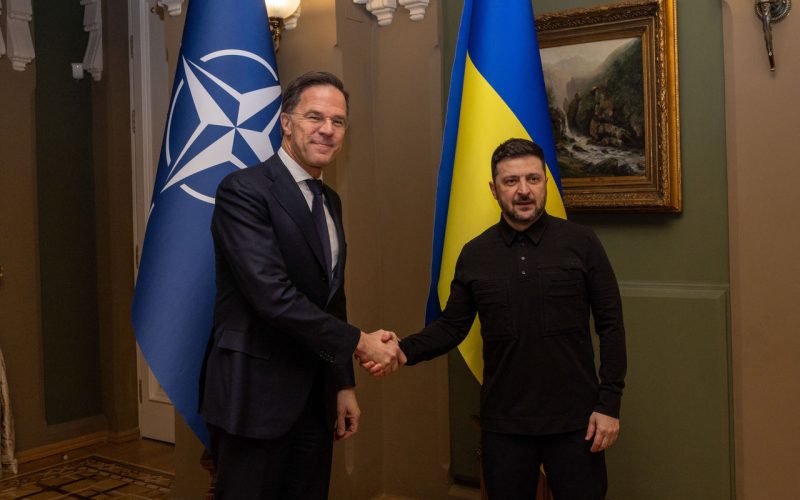

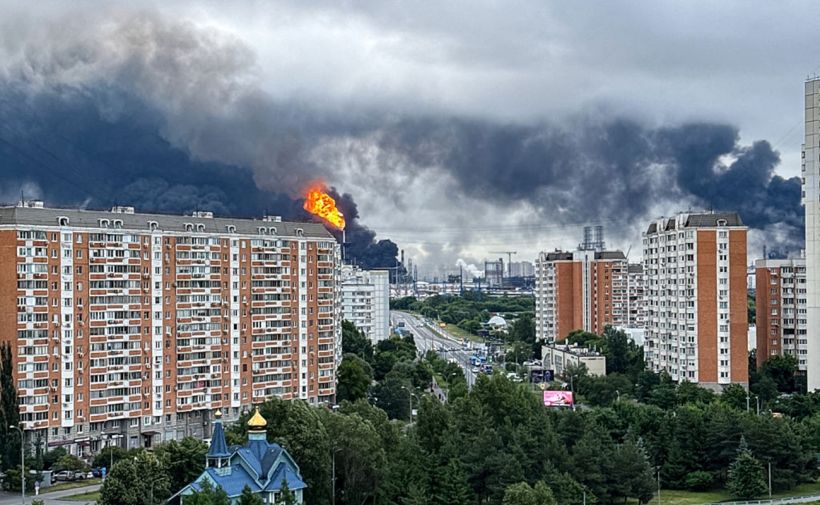
The war between Ukraine and Russia has entered another period of military escalation following Ukrainian attacks against important Russian oil facilities. The strikes demonstrate Ukraine’s continued efforts to weaken Russia’s military and economic capabilities while defending its own territory against repeated Russian attacks.
On 19 November 2026, reports indicated that Ukrainian forces had targeted two Russian oil refineries in the Krasnodar region. The facilities included storage tanks at the Ilsky refinery and a processing unit at the Afipsky refinery. These installations are important to Russia’s energy industry and contribute to supplying fuel for different sectors, including military operations.
Ukrainian President Volodymyr Zelenskyy praised the country’s domestically developed long-range drones and missiles, describing them as important tools in Ukraine’s defence strategy.
The attacks occurred as Russian forces continued targeting Ukrainian cities and infrastructure. The situation demonstrates that both countries remain engaged in military operations despite ongoing international diplomatic efforts to achieve peace.
Details of the Ukrainian Attacks
According to reports, Ukrainian forces targeted two important oil-processing facilities in Russia’s Krasnodar region.
The Ilsky refinery and Afipsky refinery are significant parts of Russia’s energy infrastructure. Together, the facilities have the capacity to process approximately 95 million barrels of oil annually.
The latest strikes reportedly damaged storage tanks and a processing unit. The facilities had also been targeted in previous attacks, demonstrating Ukraine’s continued interest in disrupting important Russian energy infrastructure.
Ukraine has increasingly relied on domestically developed long-range drones and missiles to conduct operations against targets inside Russian territory.
President Zelenskyy has presented these developments as evidence of Ukraine’s growing defence industry and its ability to produce weapons without relying entirely on foreign military assistance.
The Ukrainian government argues that attacks against military-related infrastructure are intended to reduce Russia’s ability to sustain its invasion.
However, such operations also increase the possibility of further retaliation and military escalation.
Why Oil Refineries Are Important
Oil refineries play an important role in Russia’s economy because they transform crude oil into products such as petrol, diesel and aviation fuel.
These products are essential for transportation, industrial production and military logistics.
When refineries are damaged, their ability to process oil may be reduced, potentially creating difficulties for fuel distribution and increasing repair costs.
The energy sector is also an important source of government revenue for Russia. Oil exports and related activities contribute to the country’s economy and provide financial resources that can support government expenditure.
For Ukraine, targeting important energy infrastructure is therefore considered one way of increasing economic pressure on Russia.
Nevertheless, the actual economic consequences of each attack depend on the extent of the damage, the availability of alternative facilities and the speed of repairs.
The strikes also demonstrate how energy infrastructure has become an important part of modern warfare.
Russia Continues Attacking Ukrainian Cities
While Ukraine has targeted Russian infrastructure, Russia has continued military operations against Ukrainian territory.
On 18 November, Russian forces attacked Odesa, an important Ukrainian port city on the Black Sea.
According to regional officials cited by Reuters, four people were killed and at least seven others were injured during attacks involving three waves of strikes.
The attacks damaged residential buildings, shops, cafes and vehicles. A second strike reportedly damaged a residential building and an educational institution.
The incident has raised further concerns about civilian safety and the vulnerability of urban communities during the conflict.
Odesa is strategically important because it supports Ukraine’s maritime trade and economic activities. Its ports are particularly significant for agricultural exports and other international commercial operations.
Attacks against the city therefore create humanitarian and economic challenges.
Another reported incident involved a drone attack on a market in the Kharkiv region, where 12 people were injured, including a child.
These incidents demonstrate that civilians continue to face serious dangers despite international efforts to end the war.
Economic Consequences for Russia and Ukraine
The attacks against oil refineries could have economic consequences for Russia, particularly if damage reduces the country’s fuel-processing capacity.
Repairing industrial facilities requires financial resources, technical expertise and specialised equipment.
Repeated attacks may also increase security costs and create uncertainty for energy companies.
For Ukraine, however, the war continues to impose enormous economic pressure.
Russian attacks against Ukrainian infrastructure have affected electricity production, transportation, industrial facilities and commercial activities.
Businesses operating in affected areas face difficulties maintaining production, while households may experience interruptions to electricity and other essential services.
“The war between Ukraine and Russia has entered another period of military escalation following Ukrainian attacks against important…”
Both countries are therefore experiencing economic consequences, although their economies and available resources differ significantly.
The international energy market may also be affected if the conflict creates disruptions to oil production, refining or transportation.
Countries that depend on imported petroleum products could experience increased fuel prices and higher transportation costs.
Developing economies are particularly vulnerable because rising fuel prices can increase the cost of food production, manufacturing and public transportation.
The Role of Domestic Ukrainian Weapons
An important feature of the latest developments is Ukraine’s growing reliance on domestically produced military technology.
Since the beginning of the full-scale invasion, Ukraine has invested considerable effort in developing drones, missiles and other defence equipment.
The country has sought to reduce its dependence on foreign military supplies by strengthening local production and encouraging cooperation between government institutions and private defence companies.
President Zelenskyy has repeatedly emphasized the importance of developing Ukrainian weapons that can support national defence.
Domestic production can provide several advantages. It may improve the availability of equipment, encourage technological innovation and create employment opportunities in the defence industry.
It can also strengthen Ukraine’s position in international negotiations by increasing its ability to defend itself.
However, developing a strong domestic defence industry requires investment, skilled workers, research facilities and reliable supply chains.
The war has therefore encouraged Ukraine to place greater importance on technological development and industrial independence.
Humanitarian Consequences of Continued Fighting
The continued military confrontation has created serious humanitarian concerns.
Civilians living in major cities and communities near conflict areas face the possibility of injury, displacement and loss of property.
Damage to schools, hospitals, electricity facilities and residential buildings makes everyday life increasingly difficult.
The United Nations reported that at least 372 Ukrainian civilians were killed and 1,981 injured during October 2026, highlighting the continuing human cost of the war.
Children are particularly vulnerable because conflict disrupts education, family life and access to essential healthcare.
Older people and individuals with disabilities may also face additional difficulties when attacks force communities to evacuate.
Humanitarian organizations therefore continue to call for civilian protection, safe access to essential services and respect for international humanitarian law.
International Reactions and Diplomatic Implications
The latest military developments have occurred alongside renewed diplomatic efforts involving the United States, Ukraine, Russia and European countries.
International leaders are concerned that continued attacks could undermine negotiations and make a peaceful settlement more difficult.
The United States has continued efforts to encourage dialogue between Moscow and Kyiv, while European governments have emphasized the importance of protecting Ukraine’s sovereignty and territorial integrity.
China and other international actors may also influence diplomatic discussions because of their political and economic relationships with Russia and the United States.
However, the major challenge remains finding an agreement that addresses the security concerns of both countries without undermining international law.
The continuing attacks demonstrate that diplomatic progress remains fragile while military operations are still taking place.
Conclusion
Ukraine’s attacks against Russian oil refineries represent another important development in the ongoing war between the two countries.
The strikes demonstrate Ukraine’s growing reliance on domestically developed weapons and its efforts to weaken important elements of Russia’s economic and military infrastructure.
At the same time, Russian attacks against Ukrainian cities such as Odesa demonstrate that civilians continue to suffer from the conflict.
The economic consequences extend beyond the two countries, affecting international energy markets, transportation and trade.
Although military operations may influence the balance of power, they cannot independently provide a lasting solution to the conflict.
International diplomacy, respect for national sovereignty and effective security arrangements remain essential for ending the war.
Ultimately, both countries and the wider international community must recognize the enormous human and economic costs of continued fighting. A sustainable peace agreement would provide the best opportunity for reconstruction, economic recovery and long-term stability in Europe.