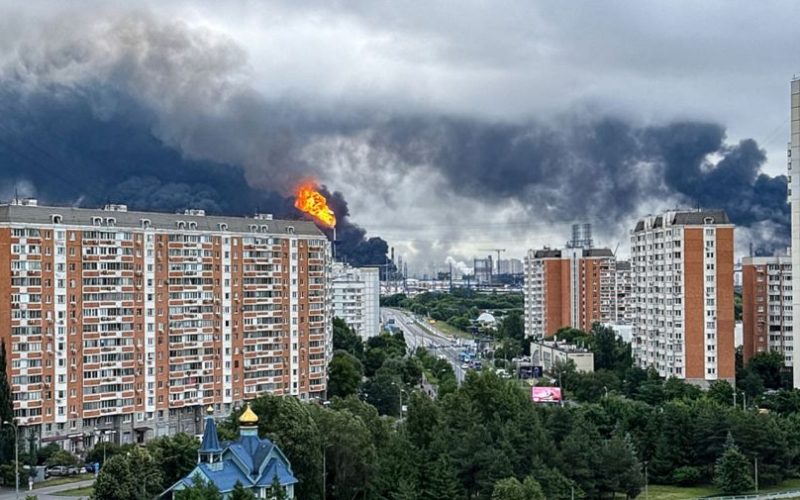

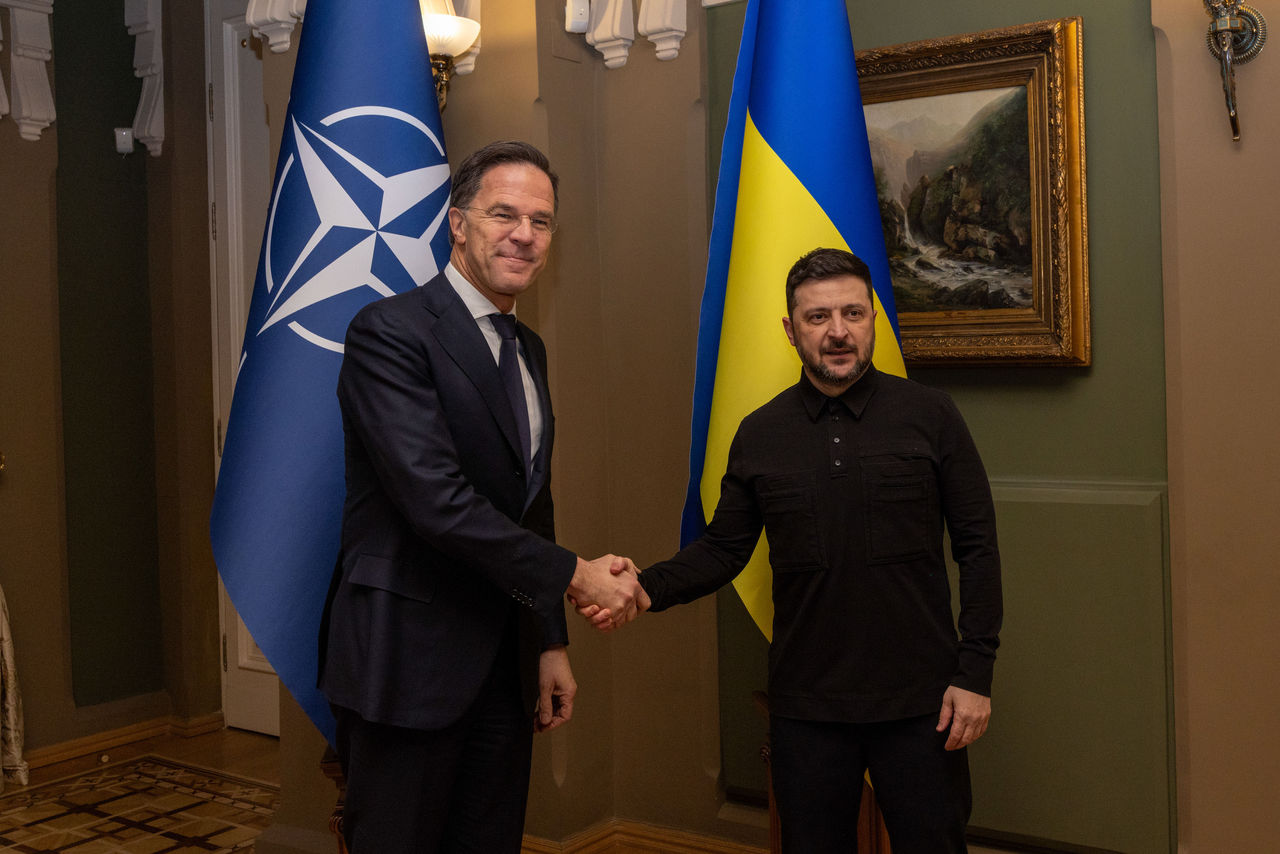
Efforts to end the war between Ukraine and Russia have gained renewed attention as Ukrainian, American and European officials continue diplomatic discussions aimed at finding a peaceful solution. Despite years of military confrontation, destruction and economic difficulties, negotiations have remained challenging because the two countries have different expectations concerning territory, national security and the future political arrangements of Ukraine.
In November 2026, diplomatic activities intensified following discussions involving representatives of Ukraine, Russia and the United States in Abu Dhabi, Moscow, Dublin and other diplomatic centres. European governments have also increased their involvement because they believe that any lasting peace agreement must consider the security interests of the entire continent.
Ukrainian President Volodymyr Zelenskyy has welcomed international efforts to end the war but insists that peace must protect Ukraine’s independence and territorial integrity. Meanwhile, Russia continues to demand conditions that Ukraine and several European countries consider unacceptable.
The latest diplomatic developments have created some hope for progress, although significant obstacles remain.
Background to the Peace Negotiations
Russia’s full-scale invasion of Ukraine began in February 2022 and developed into one of Europe’s most serious security crises since the Second World War.
The conflict has caused extensive destruction, civilian displacement, military casualties and economic disruption. Millions of Ukrainians have been affected by the fighting, while international governments have introduced sanctions against Russia and provided assistance to Ukraine.
Several diplomatic initiatives have been attempted since the beginning of the invasion. However, disagreements over occupied territories, military security and international alliances have prevented the achievement of a comprehensive peace agreement.
In November 2026, renewed discussions between American, Russian and Ukrainian representatives created another opportunity to explore possible solutions.
According to reports, the discussions in Abu Dhabi produced an agreement concerning a major prisoner exchange. Although this was a positive humanitarian development, the negotiations did not produce a major breakthrough on ending the war.
Role of the United States
The United States continues to play an important role in diplomatic efforts between Moscow and Kyiv.
American representatives Steve Witkoff and Jared Kushner have participated in discussions with Russian and Ukrainian officials. Their involvement demonstrates Washington’s interest in finding a political solution to the conflict.
The American government has attempted to encourage both sides to consider compromises that could make a settlement possible.
However, negotiations remain complicated because Russia and Ukraine have different expectations regarding the conditions for peace.
President Donald Trump has expressed interest in ending the war and has indicated that discussions with Russian President Vladimir Putin and other international leaders could contribute to progress.
Nevertheless, the United States must also consider the concerns of its European allies, particularly countries that regard Russian military aggression as a direct threat to European security.
European Countries Demand a Greater Role
European governments have argued that they should participate directly in negotiations because the consequences of the war affect their security, economies and political relationships.
Countries including France, Germany, Britain, Italy and Poland have supported greater European representation in the diplomatic process.
European leaders believe that an agreement reached without meaningful European participation could fail to address important security concerns.
The European Union’s foreign policy leadership has also emphasized that Ukraine’s sovereignty and territorial integrity must be respected.
On 16 November, European Union foreign policy chief Kaja Kallas outlined several conditions that Europe considers important for a sustainable settlement. These include respect for Ukraine’s internationally recognized borders, accountability for alleged war crimes, compensation for destruction caused by the war and the return of Ukrainian children who were deported.
European governments have also continued imposing sanctions on Russia while providing financial and military assistance to Ukraine.
Their position is that diplomatic negotiations should not result in rewarding military aggression or permanently weakening Ukraine’s independence.
Russia’s Position and the Main Obstacles
Russia has maintained demands that create serious difficulties for the negotiations.
One major disagreement concerns territorial control, particularly in eastern Ukraine. Moscow continues to claim territories that Ukraine considers part of its sovereign national territory.
The Ukrainian government has rejected demands that would require it to surrender its internationally recognized land.
Another disagreement concerns Ukraine’s future relationship with NATO and Western countries. Russia has repeatedly expressed opposition to NATO’s military presence near its borders and has demanded restrictions on Ukraine’s future security arrangements.
Ukraine, however, argues that it has the right to choose its own international partnerships and security relationships.
These disagreements make negotiations particularly difficult because they concern fundamental questions of national sovereignty and regional security.
“Efforts to end the war between Ukraine and Russia have gained renewed attention as Ukrainian, American and European…”
Western intelligence assessments reported on 18 November also suggested that Russia may intend to continue military operations through the winter rather than pursue an immediate settlement.
Such assessments have increased doubts about whether diplomatic progress can be achieved quickly.
Humanitarian Importance of the Negotiations
The importance of peace negotiations extends beyond political disagreements between governments.
Millions of civilians have experienced displacement, family separation, destruction of homes and interruptions to essential services.
A successful ceasefire could reduce civilian suffering, allow humanitarian organizations to provide assistance and create opportunities for displaced people to return home when conditions permit.
Prisoner exchanges are also important because they provide opportunities for captured soldiers to reunite with their families.
The reported agreement on a prisoner exchange during the November discussions demonstrates that limited cooperation remains possible even when the broader political negotiations are difficult.
Humanitarian organizations and international institutions continue to emphasize the importance of protecting civilians and ensuring access to essential services.
Economic Consequences of a Possible Peace Agreement
An agreement ending the war could create opportunities for Ukraine’s economic recovery.
Reconstruction would require substantial investment in roads, bridges, hospitals, schools, energy facilities and housing.
A stable security environment could encourage international businesses to invest in Ukraine and support the development of industries that have been affected by the conflict.
European countries could also benefit from improved regional stability, stronger trade relationships and reduced uncertainty in energy and financial markets.
However, rebuilding Ukraine would require long-term international cooperation and reliable security guarantees.
A ceasefire without effective monitoring or enforcement mechanisms might only create a temporary pause before fighting resumes.
For this reason, negotiators must consider not only how to stop the current fighting but also how to prevent another conflict in the future.
Prospects for Future Negotiations
The future of peace negotiations will depend on whether Russia, Ukraine and their international partners can find common ground.
A successful diplomatic process would require compromises, clear security arrangements and respect for international law.
The United Nations and other international organizations could assist by supporting humanitarian operations, monitoring agreements and encouraging dialogue.
European governments will also need to maintain cooperation with the United States to ensure that diplomatic initiatives are consistent and credible.
Although the possibility of a quick settlement remains uncertain, continued negotiations are preferable to allowing the conflict to escalate indefinitely.
Conclusion
The renewed peace negotiations involving Ukraine, Russia, the United States and European countries represent an important development in efforts to end the war.
Although discussions have produced some limited progress, major disagreements over territory, sovereignty and security continue to prevent a comprehensive agreement.
Ukraine insists that peace must protect its independence, while Russia maintains demands that remain unacceptable to Kyiv and several Western governments.
The international community must therefore continue encouraging dialogue and supporting measures that protect civilians.
A lasting settlement will require more than a temporary ceasefire. It must establish conditions under which Ukraine can maintain its sovereignty, regional security can be strengthened and the possibility of renewed military aggression can be reduced.
Ultimately, diplomacy remains one of the most important tools available for ending the war and restoring peace in Europe.