
Japan delivered one of the most striking results of the international window by defeating Brazil 3-2 in a friendly at Singapore’s National Stadium on Saturday, November 14. Substitute Tatsuhiro Sakamoto scored in stoppage time after Brazil had recovered from an early two-goal deficit, giving Japan a dramatic victory and a measure of revenge for their World Cup defeat in June.
Japan seize the initiative
Japan began with confidence and took the lead in the 15th minute. Ritsu Doan’s forward pass found Takefusa Kubo, who collected the ball, moved inside and fired a low shot past goalkeeper Pedro Morisco. The goal rewarded Japan’s willingness to attack quickly and immediately placed Brazil under pressure.
Four minutes later, Japan doubled their advantage. Shuto Nakano advanced down the right and delivered a cross into the penalty area, where Keito Nakamura found space to finish. The early goals exposed gaps in Brazil’s defensive structure and gave Japan a two-goal lead before the match had reached its twentieth minute.
Brazil had opportunities of their own. Estevão threatened early and forced Japan goalkeeper Zion Suzuki to remain alert. The visitors gradually improved their possession and began to use their technical ability to move Japan’s defensive block from side to side. Their response arrived through Vinicius Junior.
The Real Madrid forward reduced the deficit in the 33rd minute with a powerful diagonal strike from outside the penalty area. The goal gave Brazil a route back into the match and changed the mood before halftime. Suzuki had earlier made an important save to deny Estevão, preventing the score from becoming even closer.
Vinicius brings Brazil level
Brazil returned after the interval with greater urgency. Raphinha tested Suzuki, while the Japanese defence worked to protect its narrow advantage. Clear chances were limited for a period, but Brazil continued to search for openings through individual skill and quick combinations around the penalty area.
Vinicius equalised in the 75th minute. Moving in from the left, he created space for a right-footed effort that struck the post and crossed the line. His second goal completed a personal brace and appeared to have rescued Brazil after their poor opening.
The equaliser also placed Japan under a different kind of pressure. The hosts had worked hard to build their advantage, only to see it disappear. They could have retreated and accepted a draw, but continued to look for chances when Brazil pushed forward.
Endrick nearly put Brazil ahead when his powerful effort struck the crossbar. João Gomes also sent a low shot narrowly wide. Those moments suggested that Brazil might complete the comeback, but Japan remained dangerous and found the decisive opportunity in added time.
Sakamoto settles a dramatic contest
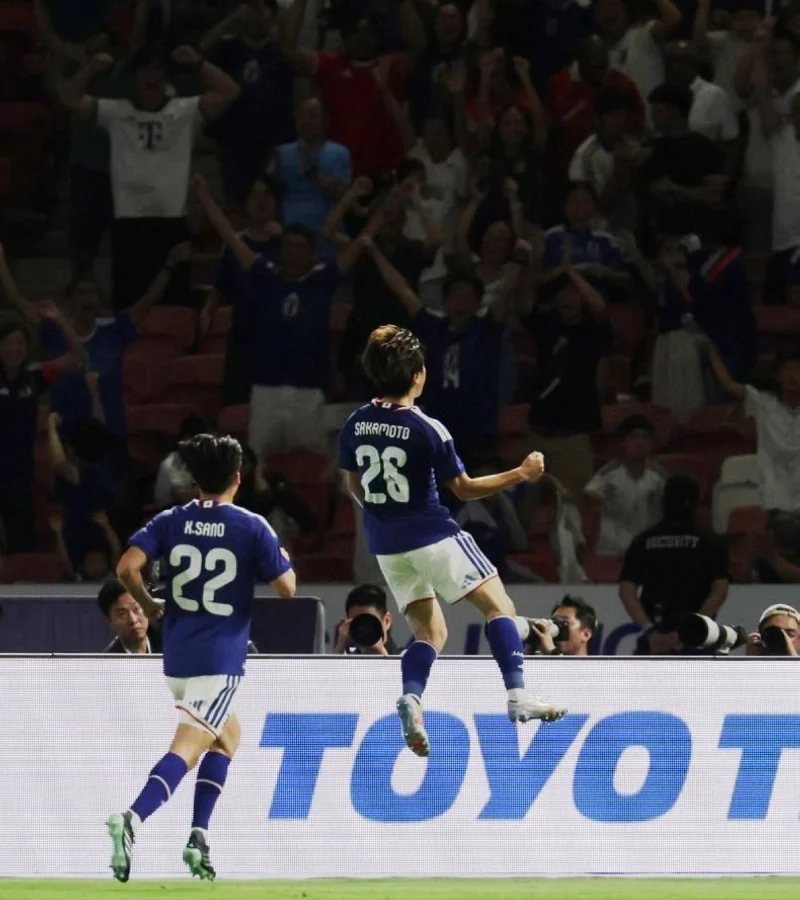
In stoppage time, Kodai Sano’s attempt took a deflection and fell into the path of substitute Tatsuhiro Sakamoto. The winger reacted quickly and lifted the ball beyond Morisco to make it 3-2. It was Sakamoto’s first international goal and a remarkable finish to a match that had swung repeatedly between the teams.
Brazil protested that a foul on João Gomes had occurred during the build-up. The referee and video assistant referee upheld the goal. The dispute escalated after the decision, and Ancelotti and Raphinha were shown red cards following protests. The dismissals added a contentious ending to an already emotional encounter.
“Japan delivered one of the most striking results of the international window by defeating Brazil 3-2 in a…”
Ancelotti later criticised aspects of the officiating while also acknowledging that Brazil had produced positive periods. Japan coach Hajime Moriyasu praised his players, describing victories against opponents of Brazil’s level as useful preparation for the demands of the World Cup.
A meaningful result for Japan
The victory carries additional significance because Brazil defeated Japan 2-1 in the round of 32 at the 2026 World Cup in June. On that occasion, Brazil completed a comeback with a stoppage-time goal from Gabriel Martinelli. In Singapore, Japan turned the tables by scoring the decisive goal in the closing moments.
It was also only Japan’s second victory over Brazil in 16 meetings, underlining the rarity of the achievement. The result will strengthen belief in a squad that includes players competing in major European leagues and has developed a reputation for tactical discipline, technical quality and high work-rate.
Brazil must examine the details
Brazil can take positives from Vinicius’s two goals and the improvement shown after their difficult opening. Their ability to recover from 2-0 down demonstrated attacking quality and resilience. However, conceding three goals and losing control of the final moments will concern the coaching staff.
The team must review how Japan repeatedly found space during the opening period and how the decisive goal developed. Discipline will also be important after the dismissals, particularly as Brazil prepare for their next international assignment against Singapore on Tuesday.
Japan will look to carry the momentum into their friendly against Paraguay. The coaching staff can use that match to test whether the performance against Brazil can be repeated and assess players competing for places in the squad.
The Singapore contest delivered a clear message to both teams. Brazil remain rich in individual talent, but reputation cannot compensate for defensive mistakes or loss of discipline. Japan showed that organisation, courage and persistence can challenge even the most decorated opponents. Sakamoto’s late finish made the difference, turning an entertaining friendly into a statement result for Japanese football.
The match exposed areas for improvement, particularly defending transitions and protecting leads when opponents commit more players forward in attack too.