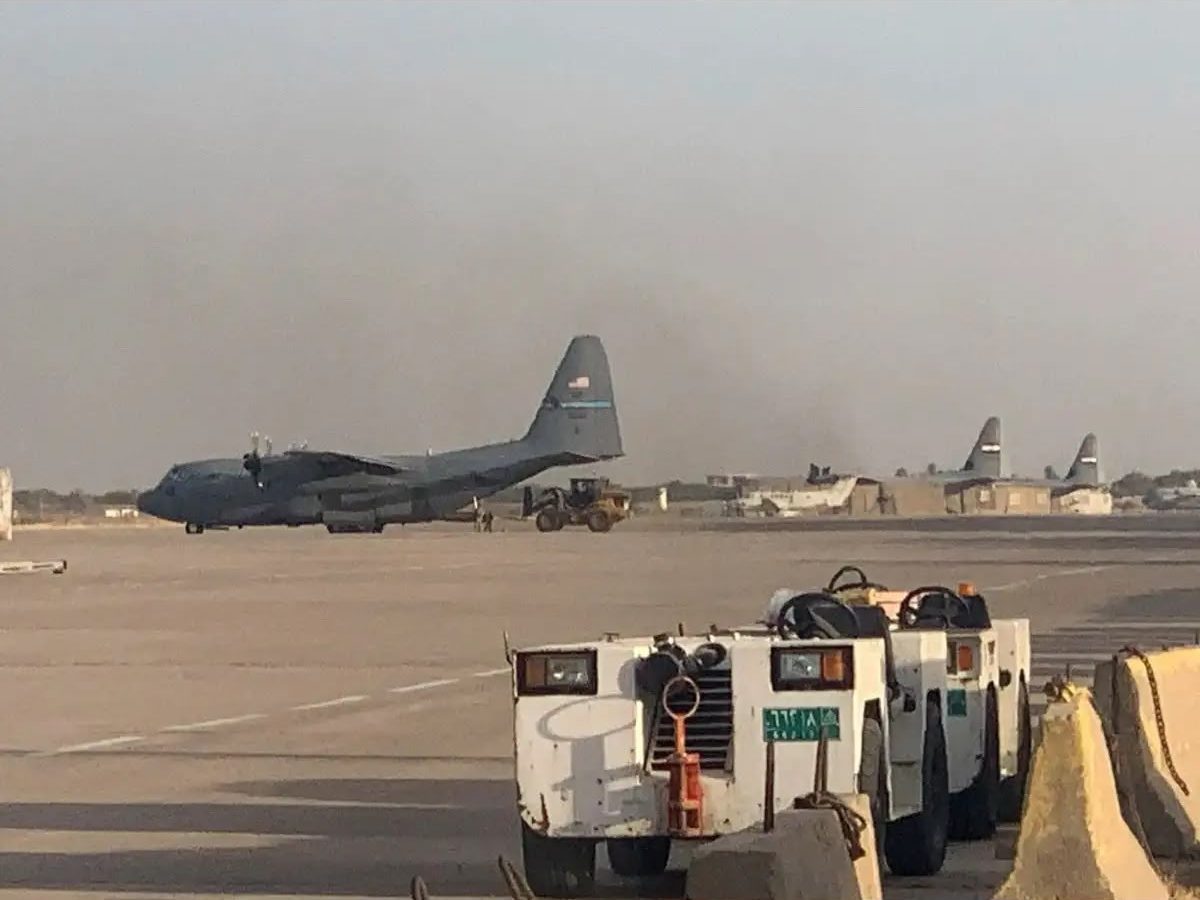
The United States has completed the withdrawal of its military forces from Iraq, marking the end of a major chapter in the country’s long-running security relationship with Washington.
The departure comes after years of American involvement in the fight against the Islamic State, which once controlled large areas of Iraq and Syria. U.S. forces returned to Iraq in 2014 after the militant group captured major cities and threatened the Iraqi government.
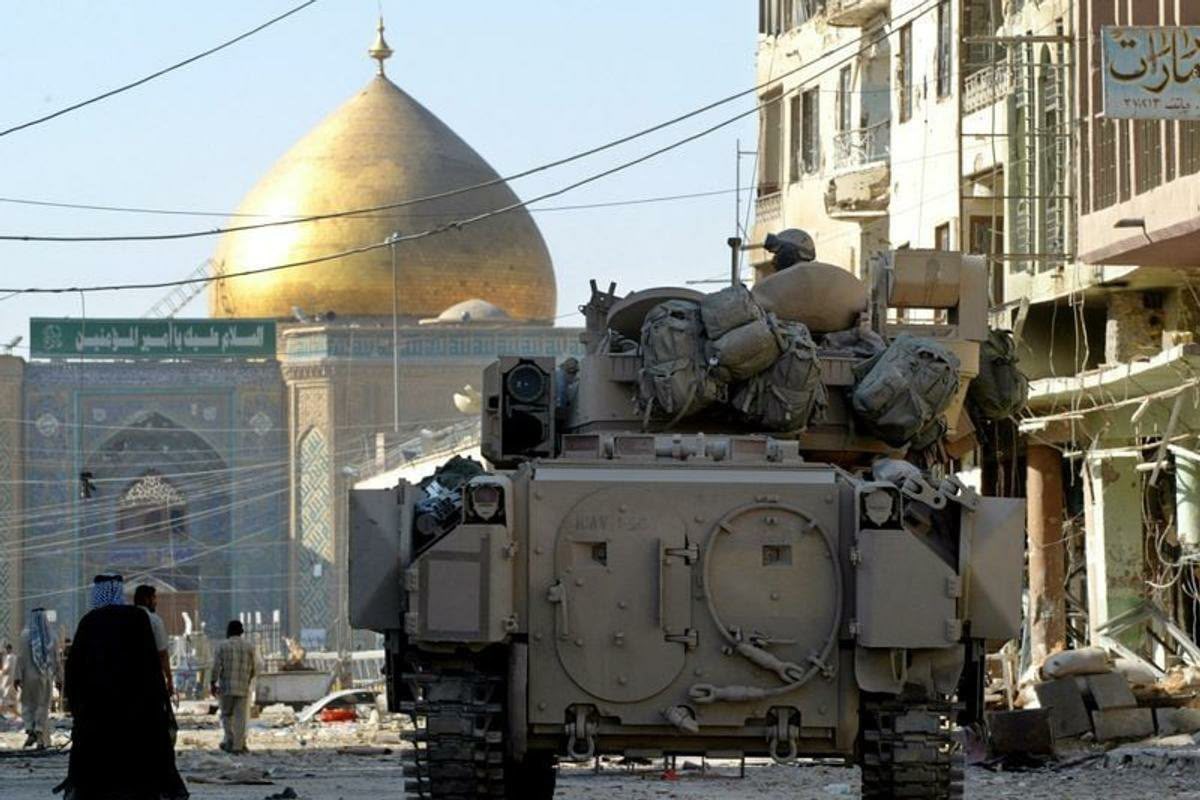
Since then, American forces have supported Iraqi troops through military training, intelligence, surveillance and operations against Islamic State positions. The campaign helped Iraqi forces regain territory and eventually eliminate the group’s control over major population centers.
The Islamic State, however, has not disappeared.
The group has shifted away from controlling territory and now operates mainly through smaller networks and sleeper cells. Its fighters have carried out sporadic attacks and attempted to maintain a presence in parts of northern and western Iraq.
The end of the U.S. military presence therefore raises questions about how effectively Iraqi security forces can prevent the group from rebuilding its networks.
Iraq’s security forces have gained significant experience since the height of the conflict. Thousands of troops have taken part in counterterrorism operations, while specialized units have developed greater experience tracking militant cells and preventing attacks.
Iraqi authorities have also strengthened their intelligence capabilities and expanded cooperation among different security agencies.
Despite those improvements, the security environment remains complicated. Political divisions, regional tensions and the presence of armed groups could create challenges for the government as it assumes greater responsibility for national security.
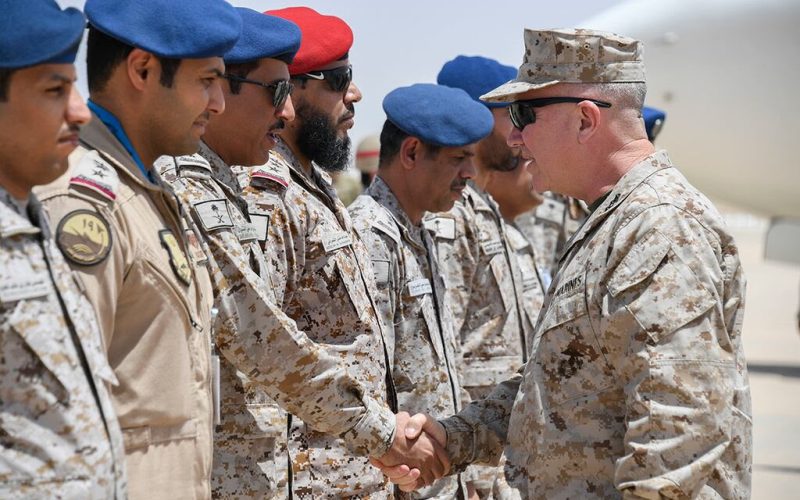
The United States has said its departure does not mean an end to security cooperation with Iraq. Washington and Baghdad are expected to maintain a broader defense relationship involving training, intelligence sharing and other forms of cooperation.
“This milestone reflects the success of a 12-year campaign that defeated ISIS as an organized military threat in…”
American forces will also continue supporting the wider campaign against the Islamic State from outside Iraq, including through operations connected to Syria.
For Iraq, the withdrawal represents an important moment of greater responsibility. The government must now demonstrate that its security institutions can protect the country and prevent militant organizations from exploiting gaps in security.
The Islamic State remains far weaker than it was at the height of its territorial expansion. It no longer governs large cities or controls the extensive territory it once held.
But its continued underground presence means the threat has not completely vanished.
The coming years will show whether Iraqi forces can maintain the gains made during the international campaign while preventing the militant group from rebuilding.
The U.S. departure therefore closes one chapter of Iraq’s modern security history while opening another one in which Iraqi forces will carry the primary responsibility for confronting the remaining militant threat.