U.S. President Donald Trump is facing growing pressure over the war with Iran as the conflict continues to reshape the Middle East, disrupt energy markets and raise questions about Washington’s next move.
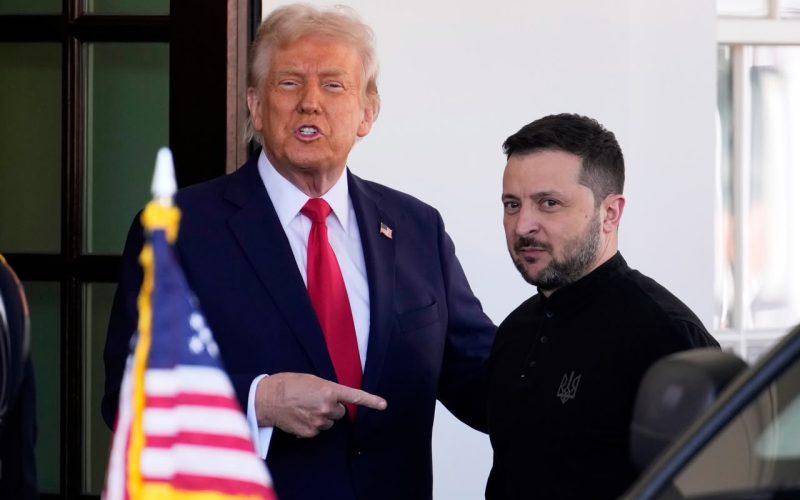
Trump said Tuesday that the United States does not know who is effectively running Iran, arguing that the country’s leadership has been severely disrupted since the war began. His comments came as Washington continues to demand major changes to Iran’s nuclear capabilities while military tensions remain high across the region.
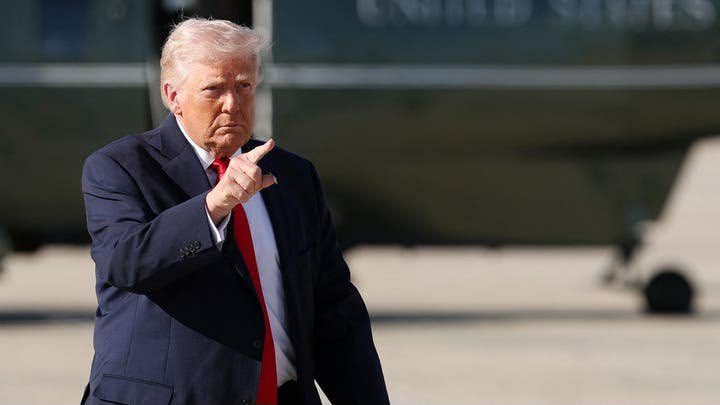
Photo Credit: Tasos Katopodis / Getty Images
The conflict has now entered its eighth month, creating a difficult situation for the Trump administration. The United States and Israel have carried out extensive strikes against Iranian targets, while Iran has responded with attacks on Israel and Gulf states hosting American military facilities.
The continuing conflict is also creating consequences far beyond the battlefield.
Oil prices have risen as traders assess the threat to energy supplies and shipping routes in the Middle East. The wider regional instability has also contributed to higher inflation concerns, placing additional pressure on governments and central banks around the world.
For Trump, the economic impact is particularly important. Higher gasoline and diesel prices can quickly become a political issue for American households, especially as voters prepare for the November midterm elections.
Trump’s political standing has already been affected by concerns over the cost of living. The president has also faced criticism over changing timelines and objectives surrounding the war, making the administration’s strategy increasingly important for both markets and voters.
The uncertainty extends beyond Iran itself.
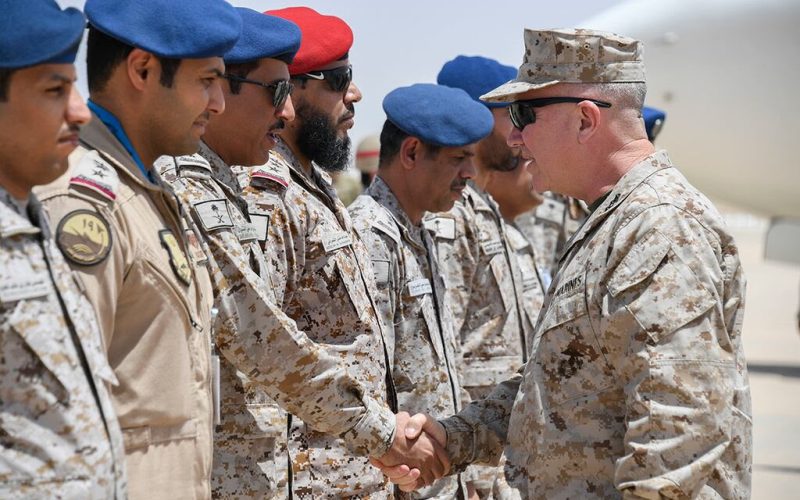
Saudi Arabia has become increasingly involved in the wider regional conflict, while attacks linked to Yemen’s Houthi movement have threatened important infrastructure and transportation routes. The Bab el-Mandeb Strait, one of the world’s key maritime passages, has become another major point of concern as fighting intensifies around Yemen.
That development matters because disruption around the Red Sea can affect global shipping, energy supplies and the cost of transporting goods between Asia, Europe and other markets.
The United States is therefore dealing with a conflict that is no longer limited to direct confrontation with Iran. The war is influencing military planning, energy markets, international trade and diplomatic relationships across the Middle East.
There are also growing questions about Iran’s nuclear programme.
According to Reuters, Washington is demanding a meaningful reduction in Iran’s uranium-enrichment capacity as part of any effort to end the conflict. Iran currently has limited international monitoring access, while questions remain about the amount of enriched uranium that survived earlier strikes and the country’s ability to restart enrichment activities. (Reuters)
That makes diplomacy particularly difficult.
“The United States does not know who is effectively running Iran. Donald Trump, U.S. President”
Any agreement would have to address not only Iran’s nuclear programme but also the broader security concerns created by months of fighting. At the same time, Tehran has rejected Washington’s characterization of its leadership, arguing that the United States understands how Iran’s decision-making system operates.
For Trump, the challenge is finding a way to demonstrate that American military power has achieved its objectives without allowing the conflict to become an open-ended war.
The administration must also consider the economic consequences. Rising oil prices can increase transportation and production costs, putting additional pressure on consumers and businesses. If energy prices remain elevated, central banks could face a more difficult battle against inflation.
The war is therefore becoming a test of Trump’s foreign-policy approach as well as his economic leadership.
The president has repeatedly presented himself as a leader capable of negotiating major international agreements and ending conflicts. The longer the Iran war continues, however, the greater the pressure on his administration to explain what the endgame looks like.
For the rest of the world, the stakes are equally significant.
A prolonged conflict could continue affecting oil prices, shipping routes, financial markets and diplomatic relations. It could also deepen instability in countries already affected by regional tensions.
Trump now faces a difficult balance: maintaining military pressure on Iran, protecting American interests and allies, preventing the conflict from spreading further, and limiting the economic damage being felt far beyond the Middle East.
The coming weeks could determine whether Washington can turn military pressure into a political settlement or whether the conflict will continue creating new risks for the global economy.