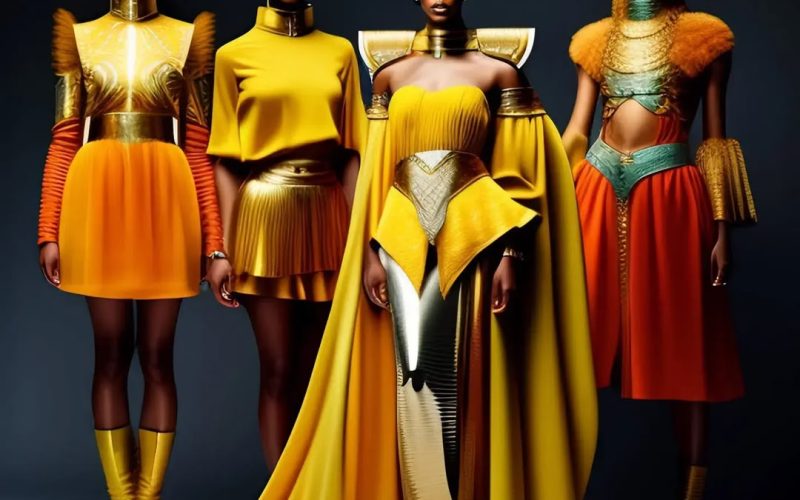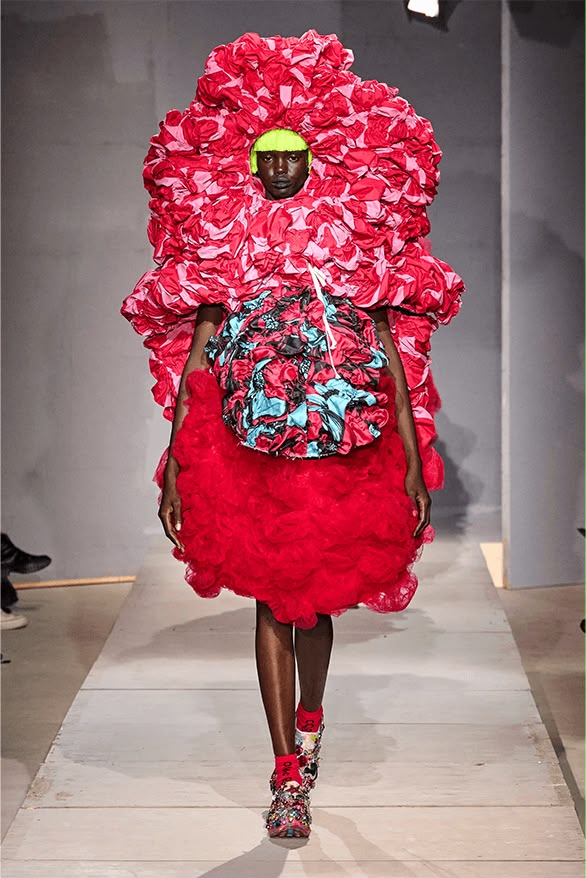
Before a fashion audience notices the smallest detail on a garment, it often notices its overall shape.
That shape is known as the silhouette, and it is one of the most important elements in fashion design. From sharply structured jackets to flowing dresses and oversized streetwear, silhouettes influence how clothing appears, moves and interacts with the body.
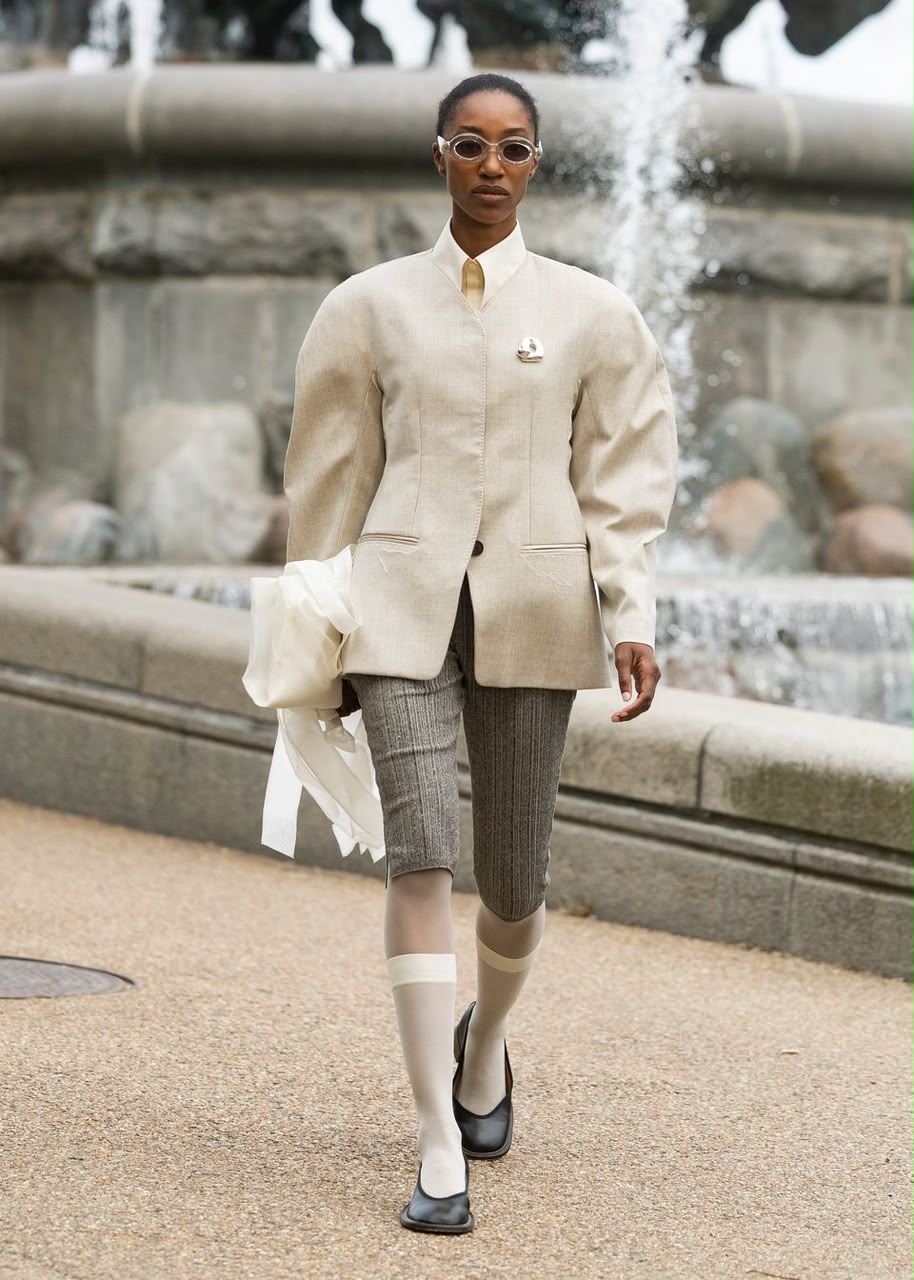
MKDT Studio
A change in silhouette can completely change the character of an outfit.
Fashion history provides countless examples. Different periods have favoured different relationships between clothing and the body, from highly structured garments to relaxed forms designed for movement. These changes have reflected developments in culture, technology, social attitudes and everyday life.
Today, designers are once again experimenting with shape.
Modern fashion increasingly challenges the idea that clothing must follow a single traditional understanding of proportion. Oversized garments, exaggerated shoulders, wide trousers, sculptural dresses and unconventional constructions have become tools for creative expression.
The purpose is not simply to make clothing larger or smaller.
Designers use proportion to create emotion and visual interest. An exaggerated sleeve can create drama. A long coat can produce a sense of movement. A sharply tailored shoulder can communicate strength. A flowing silhouette can suggest freedom.
These decisions are part of the designer’s visual language.
Technology has expanded what is possible. Computer-aided design and three-dimensional modelling allow designers to experiment with unusual structures before producing physical samples. This can make it easier to test ideas that would have been difficult or expensive to develop through traditional methods alone.
New materials are contributing as well.
Lightweight technical fabrics, engineered textiles and experimental materials can behave differently from conventional cloth. They may hold shapes, stretch in unusual directions or create surfaces that change the appearance of a garment.
As a result, silhouette is no longer determined only by traditional tailoring.
Designers can construct garments that interact with movement, light and the environment. Some creations blur the boundaries between clothing, sculpture and performance, turning the human body into part of a larger visual composition.
Streetwear has also played an important role in changing attitudes toward proportion.
Oversized jackets, relaxed trousers and layered garments have influenced mainstream fashion, while designers have continued to reinterpret these ideas through high-fashion collections. The result is a more flexible understanding of how clothing can fit and move.
“Silhouette is one of fashion’s most powerful creative tools because a change in shape can completely transform how…”
Comfort has become another important factor.
Modern consumers often expect clothing to work across different environments. They may move between workplaces, social spaces and digital environments during the same day. Designers therefore face pressure to create garments that combine visual identity with practicality.
This does not mean aesthetics have become less important.
Instead, the relationship between aesthetics and function is becoming more complex. A garment can be comfortable while still having a strong silhouette. It can be practical while making a dramatic visual statement.
Gender is another area where silhouettes are evolving.
Many contemporary designers are questioning traditional distinctions between menswear and womenswear. Shared shapes, relaxed tailoring and fluid proportions allow people to interpret clothing according to their own identities and preferences.
This reflects a broader shift in fashion toward individual expression.
Rather than prescribing one correct way to dress, contemporary design increasingly offers multiple possibilities. Silhouette becomes a tool through which people can decide how they want to present themselves.
The future of fashion design will likely involve even more experimentation with shape.
As digital tools improve and new materials become available, designers will have greater opportunities to rethink how garments are constructed. Yet the fundamental principle will remain simple: shape changes perception.
A powerful silhouette can make a garment immediately recognisable.
It can create movement, communicate personality and transform a basic piece of clothing into a visual statement. In a fashion industry increasingly influenced by technology and global culture, the art of silhouette remains one of the clearest ways designers can turn an idea into something people can see.