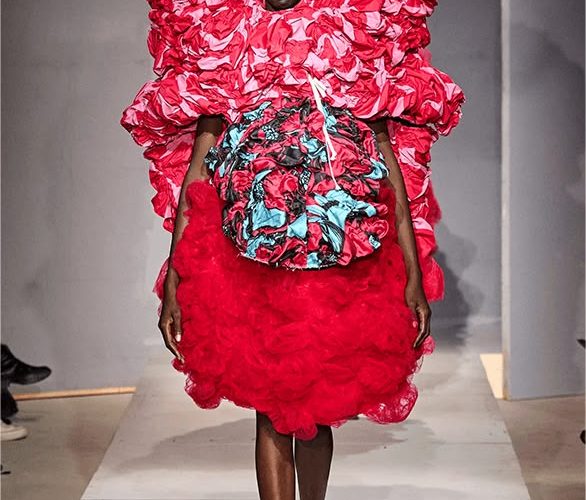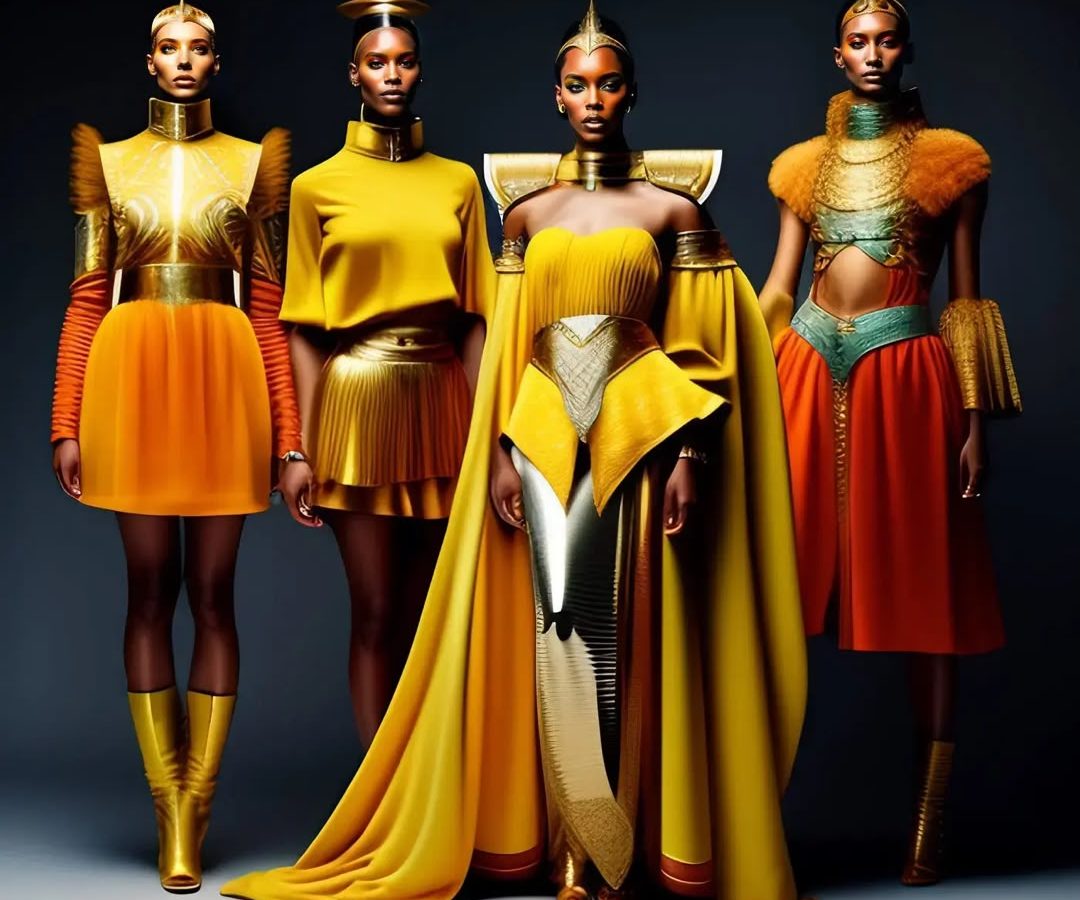
Fashion has always been more than clothing. Across societies, what people wear can communicate heritage, status, belonging, creativity and personal identity. In today’s global fashion industry, designers are increasingly exploring these connections by transforming cultural influences into contemporary styles.
A garment can carry a story before a person even speaks.
Patterns may reference a community’s history. A textile can represent generations of craftsmanship. A particular silhouette may be connected to a region or tradition. Designers who understand these relationships can use fashion to create collections that feel connected to something larger than seasonal trends.
Globalisation has made this process more visible.
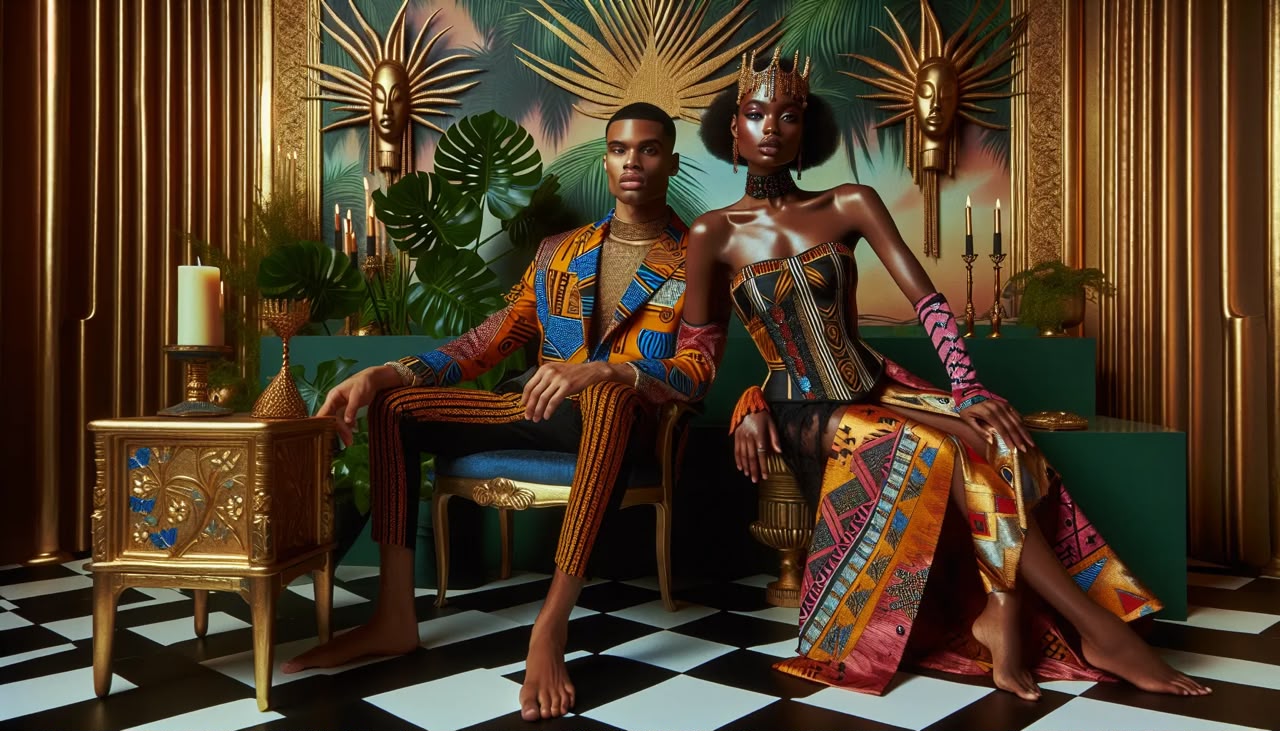
Fashion audiences are no longer limited to the styles produced in their immediate surroundings. Digital platforms allow people to discover designers from Africa, Asia, Europe, the Middle East, North America and Latin America within the same online space.
This exchange has created a more diverse fashion conversation.
Designers can draw inspiration from their surroundings while reaching international audiences. A traditional technique that was once known mainly within a particular community can become part of a contemporary collection shown to consumers around the world.
However, cultural influence also requires responsibility.
There is an important difference between meaningful creative engagement and simply taking visual elements from another culture because they appear fashionable. Designers increasingly face questions about authenticity, attribution and respect when working with cultural references.
The strongest collections often begin with understanding.
A designer may study the history of a textile, collaborate with artisans or work with traditional production methods before adapting them to contemporary clothing. This approach can help ensure that cultural elements are not reduced to decoration.
It can also create opportunities for traditional craftsmanship.
Hand weaving, embroidery, dyeing, beadwork and other techniques require knowledge that is often passed from one generation to another. Bringing these methods into contemporary fashion can help keep them visible while introducing them to new markets.
At the same time, designers are finding new ways to reinterpret heritage.
A traditional pattern does not necessarily have to appear on a conventional garment. It can be adapted into modern tailoring, accessories, outerwear or experimental designs. Traditional materials can also be combined with modern fabrics and construction techniques.
“Fashion can preserve cultural memory while giving designers the freedom to reinterpret tradition for a new generation.”
This meeting between old and new is becoming an important part of fashion’s creative development.
Younger consumers are also influencing the conversation. Many are interested in individuality and the stories behind what they buy. Instead of seeing clothing simply as products, they may view garments as expressions of values, culture and personality.
Social media has strengthened this relationship.
Designers can now show the process behind a collection, introduce the people who make it and explain the cultural references that influenced the work. This creates a deeper connection between the creator and audience.
Fashion therefore becomes part of a larger story.
The rise of independent designers has also expanded opportunities for cultural expression. Smaller labels can develop highly specific identities without needing to follow the aesthetic of large international fashion houses. Their work can introduce audiences to perspectives that might otherwise receive less attention.
This does not mean that global fashion is becoming less connected. In many ways, it is becoming more interconnected than ever.
A designer can work with artisans in one country, use digital tools developed elsewhere and present a collection to customers across several continents. Fashion increasingly exists within a global creative network.
The challenge is maintaining authenticity within that network.
Cultural identity should not be treated as a marketing shortcut. When designers approach heritage with knowledge and respect, however, fashion can become a powerful way of preserving stories while allowing them to evolve.
The future of fashion will likely continue to move between tradition and innovation.
Designers will reinterpret familiar techniques, experiment with new materials and create clothing that reflects increasingly diverse identities. In that process, fashion can do more than follow trends. It can preserve memory, encourage cultural exchange and give people new ways to express who they are.