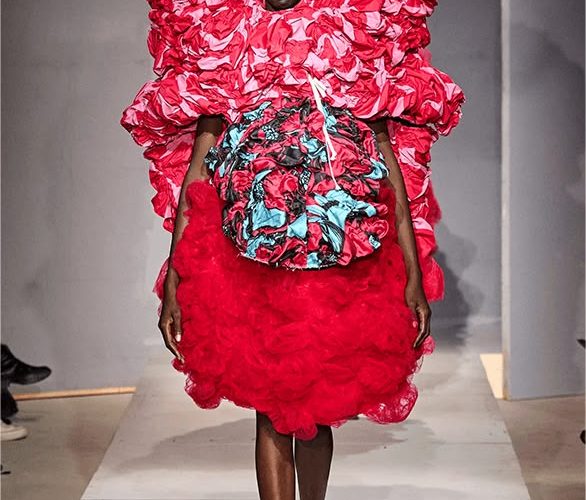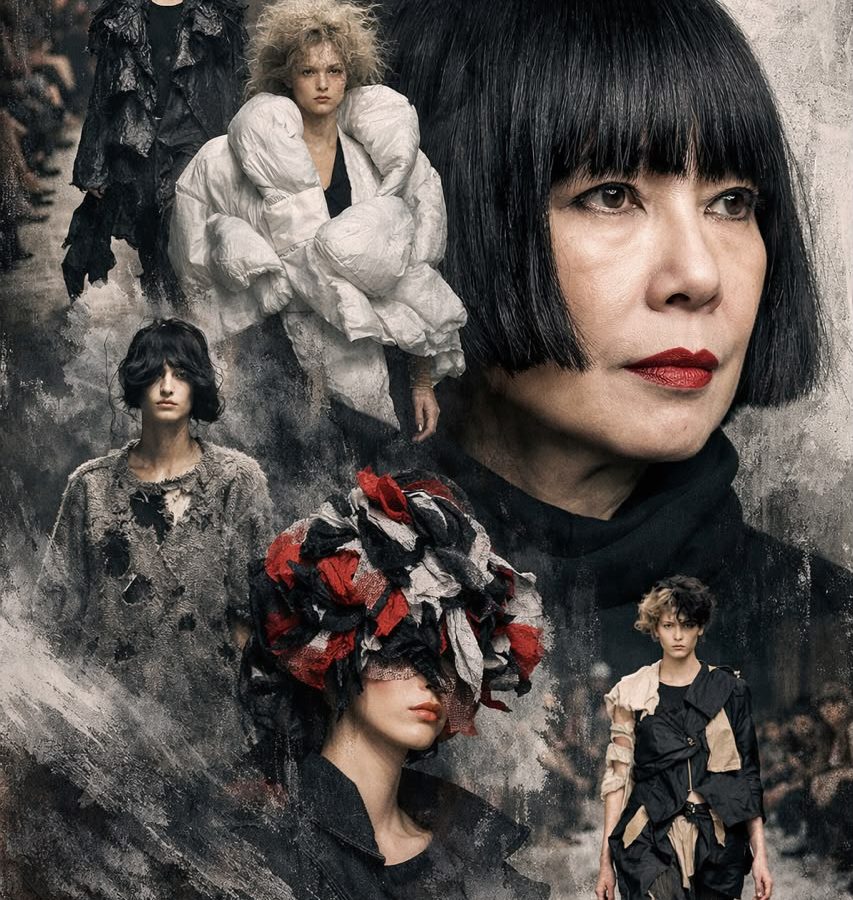
Fashion is often discussed through trends: the colours appearing across collections, the silhouettes gaining attention and the pieces suddenly becoming popular online. Yet behind every trend is a broader creative force that can have a much longer life — aesthetics.
Aesthetics influence how people experience fashion. They shape the relationship between colour, texture, proportion, movement and form, while helping designers communicate ideas without relying on words. In a global industry where styles can travel across continents almost instantly, a distinctive aesthetic can become one of a designer’s most important creative signatures.
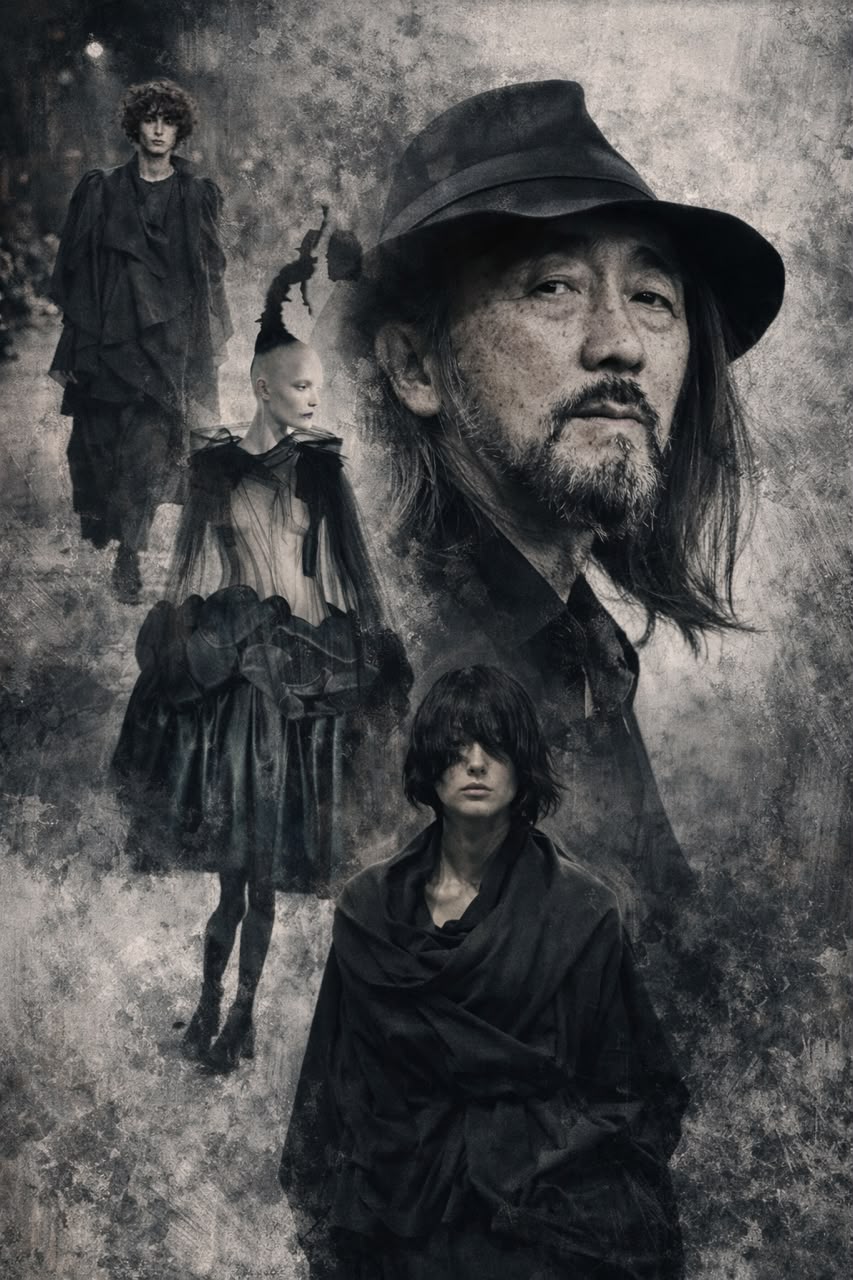
Fashion aesthetics are about more than making clothing look attractive. They involve the choices that give a collection its identity. A designer working with minimalism may favour clean lines, restrained colours and simple construction. Another may build an aesthetic around dramatic shapes, intense colours and elaborate details. Neither approach is automatically better. Their value comes from the ideas and consistency behind them.
The globalisation of fashion has made these creative differences increasingly visible.
Consumers can now encounter designers, brands and cultural influences from around the world through social media, international fashion weeks and digital shopping platforms. Ideas that once travelled slowly can now reach millions of people within hours.
This has created both opportunities and challenges.
Designers have access to a much larger pool of inspiration, but they also face a crowded visual environment. Standing out requires more than producing another version of an existing trend. A recognisable aesthetic can help a designer establish a stronger identity in a market where audiences are constantly exposed to new images.
Culture remains one of the most powerful sources of that identity.
Traditional textiles, local craftsmanship, historical clothing and regional patterns can provide designers with creative foundations for contemporary work. When approached respectfully, cultural references can connect modern fashion with heritage while allowing traditional techniques to reach new audiences.
Technology is adding another dimension.
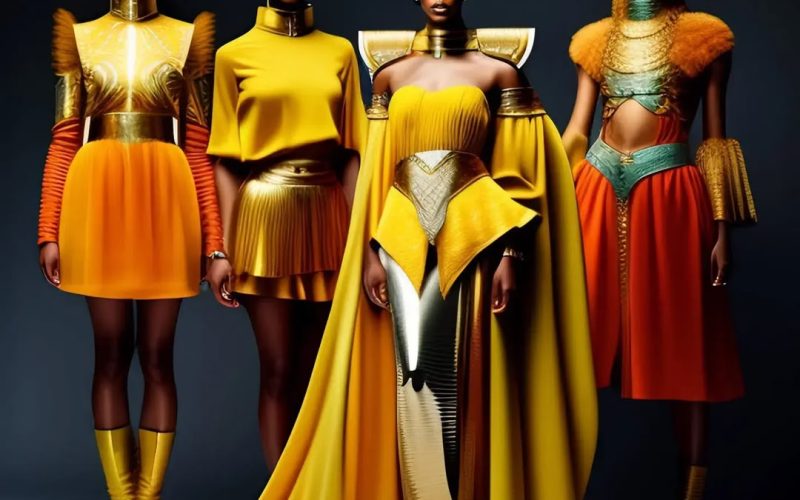
Digital design software allows creators to experiment with garments, shapes and materials before physical production begins. Three-dimensional modelling can help designers visualise construction, while artificial intelligence is increasingly being explored as a tool for generating ideas and testing creative possibilities.
These technologies do not necessarily make traditional design irrelevant. Instead, they can work alongside craftsmanship.
“Fashion aesthetics are no longer simply about following trends; they are becoming a language through which designers communicate…”
A designer may use digital tools to develop a concept before turning to skilled makers to construct the finished garment. The combination can create a process in which technology supports experimentation while human judgement remains central to the final result.
The way fashion is presented is changing too.
A collection is no longer experienced only on a runway or inside a boutique. Photography, short-form video, livestreams and social platforms have become important parts of fashion communication. The location, lighting, music and styling surrounding a garment can influence how audiences understand its aesthetic.
This has made visual storytelling almost inseparable from modern fashion.
Sustainability is also influencing design choices. Growing concerns about waste, excessive production and resource use have encouraged designers and consumers to reconsider the value of constant novelty. Some creators are exploring recycled materials, upcycling, durable construction and slower approaches to fashion.
These changes can affect aesthetics as well. A garment’s history, material and craftsmanship can become part of its appeal, shifting attention away from the idea that something must be new to be valuable.
Ultimately, trends may disappear quickly, but aesthetics can create a lasting creative language.
The future of fashion is likely to involve an increasingly complex relationship between culture, technology, craftsmanship and individual expression. Designers will continue to experiment with new materials and digital tools while drawing from traditions that have survived for generations.
Fashion may change every season, but its deeper purpose remains remarkably consistent: using design to communicate who people are, what they value and how they imagine the world around them.