Oil prices surged on Thursday as attacks on shipping around the Strait of Hormuz intensified, adding fresh pressure to global energy markets and raising concerns about the cost of fuel, transportation and everyday goods.
Brent crude climbed above $100 a barrel, while U.S. West Texas Intermediate crude also rose sharply. The latest increase came as traders assessed growing risks to oil shipments from the Middle East and uncertainty surrounding the wider conflict involving Iran.
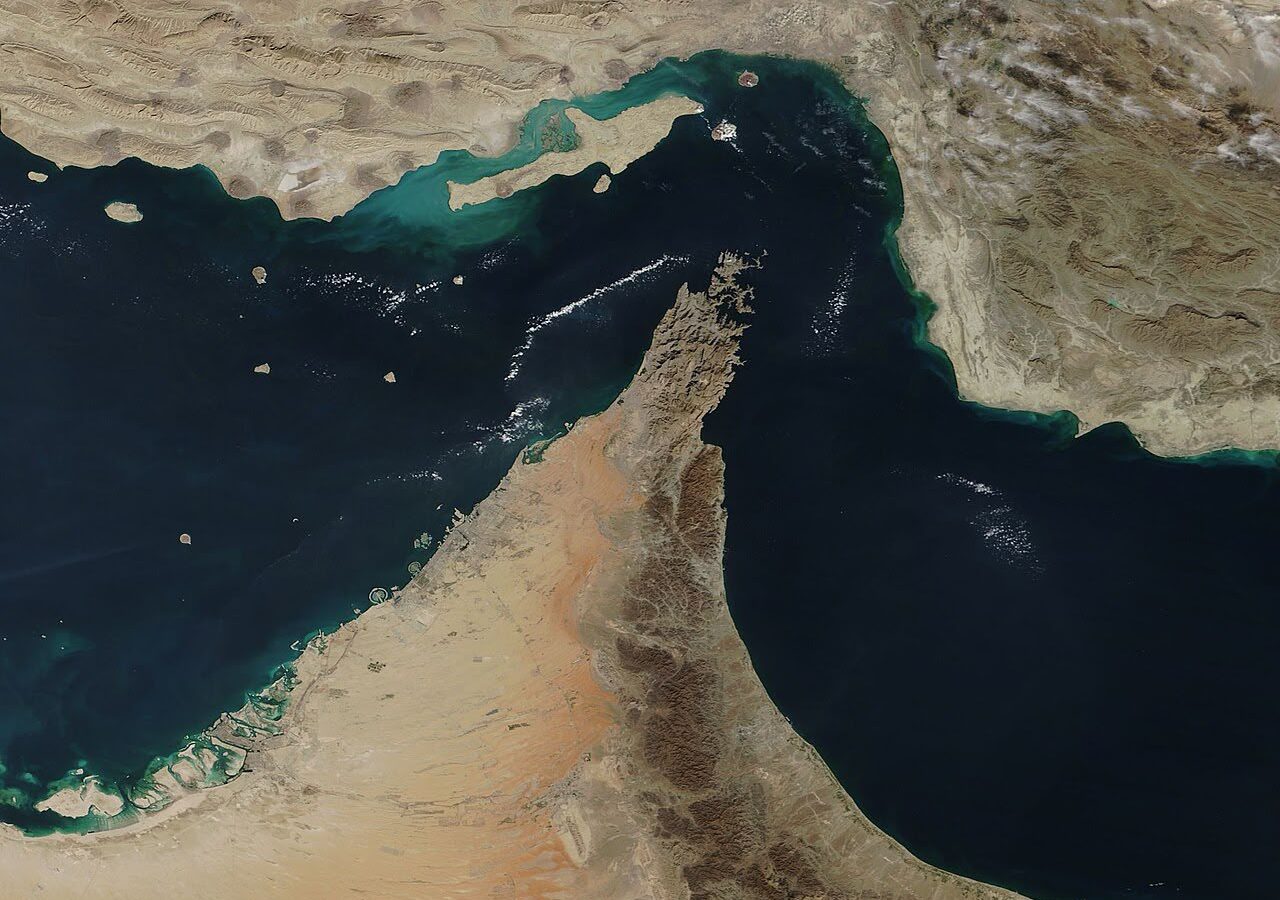
The Strait of Hormuz has become one of the most important pressure points in the global economy. The narrow waterway between Iran and Oman normally carries a significant share of the world’s oil trade, meaning prolonged disruption can quickly affect markets far beyond the Middle East.
Shipping traffic falls
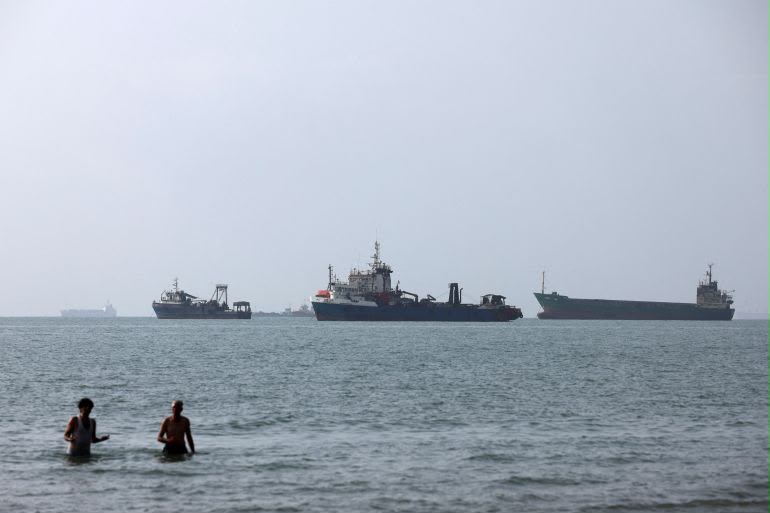
The impact on maritime activity has become increasingly visible.
Shipping analytics data showed that only a small number of commodity vessels crossed the Strait of Hormuz earlier this week, while crude oil movements through the waterway had fallen significantly compared with levels recorded before the conflict.
The decline has not completely stopped Middle Eastern oil exports. Producers and traders have increasingly relied on alternative routes, transfers at sea and other logistical arrangements to keep crude moving.
However, those alternatives are more expensive and complicated.
The result is that the global oil market is facing a problem that goes beyond the amount of oil available. Transportation, insurance, shipping capacity and refinery disruptions are all adding to the cost of moving energy around the world.
Higher costs could eventually be passed on to businesses and consumers.
Why the Strait matters
The Strait of Hormuz connects the Persian Gulf with the Gulf of Oman and the wider Arabian Sea. Major oil producers, including Saudi Arabia, Iraq, Kuwait and the United Arab Emirates, depend on routes through or around the region to reach international customers.
Any sustained disruption therefore has consequences for countries thousands of kilometres away.
Higher crude prices can translate into more expensive gasoline, diesel, airline fuel and transportation. Businesses may also face higher production and shipping costs, while households can feel the impact through food and other goods whose prices are affected by energy and logistics expenses.
The pressure is also being reflected in financial markets.
Rising oil prices have increased concerns about inflation and economic growth. Investors are watching whether the energy shock will remain temporary or become a longer-term problem for companies and consumers.
For central banks, the situation creates another challenge. Persistently high energy prices can make it more difficult to bring inflation down without putting additional pressure on economic activity.
Geopolitical risks remain high
The latest market moves are closely connected to the wider confrontation involving Iran.
Iran has threatened to restrict shipping through parts of the Strait, while attacks on commercial vessels have increased concerns among shipping companies about operating in the area.
The United States has also announced new sanctions targeting networks and vessels connected to Iranian oil exports, adding another layer of pressure to an already complicated energy market.
“The global oil crisis is a reminder that what happens along one shipping route can affect fuel prices,…”
At the same time, diplomatic efforts remain important.
Any agreement that reduces military tensions and allows commercial shipping to move more safely could ease pressure on oil prices. However, continued attacks or further restrictions could have the opposite effect.
For traders, the uncertainty makes it difficult to predict how quickly energy markets will stabilize.
The impact beyond oil
The Strait of Hormuz crisis demonstrates how closely connected the modern global economy has become.
A disruption affecting a relatively narrow waterway can influence fuel prices, shipping costs, financial markets and inflation across multiple continents.
Airlines are particularly exposed because jet fuel represents a major operating expense. Manufacturers can also face higher costs for transportation and energy, while shipping companies may have to pay more for insurance and longer alternative routes.
Developing economies could face additional pressure if higher energy costs weaken currencies, increase import bills or make transportation more expensive.
The effects may therefore extend well beyond the countries directly involved in the conflict.
What happens next?
The biggest question for the global economy is how long the disruption will last.
If shipping through the Strait gradually returns to normal, oil prices could ease as traders regain confidence in the security of supply routes. But if attacks continue and more vessels avoid the area, transportation and insurance costs could remain elevated.
That would create pressure not only on oil markets but also on airlines, manufacturers, shipping companies and consumers.
The crisis is also a reminder of the strategic importance of global shipping routes. Modern economies depend on a relatively small number of maritime corridors to move enormous quantities of energy and goods around the world.
For now, traders, governments and shipping companies are watching the Strait of Hormuz closely. Every additional attack, shipping disruption or diplomatic breakthrough could move global energy markets significantly.
The immediate issue is no longer simply whether enough oil exists.
It is whether the world can move that oil safely, reliably and affordably.