A new diplomatic effort to calm the conflict involving Iran and the United States has run into fresh obstacles, leaving the international community watching closely as pressure builds around one of the world’s most important shipping routes.
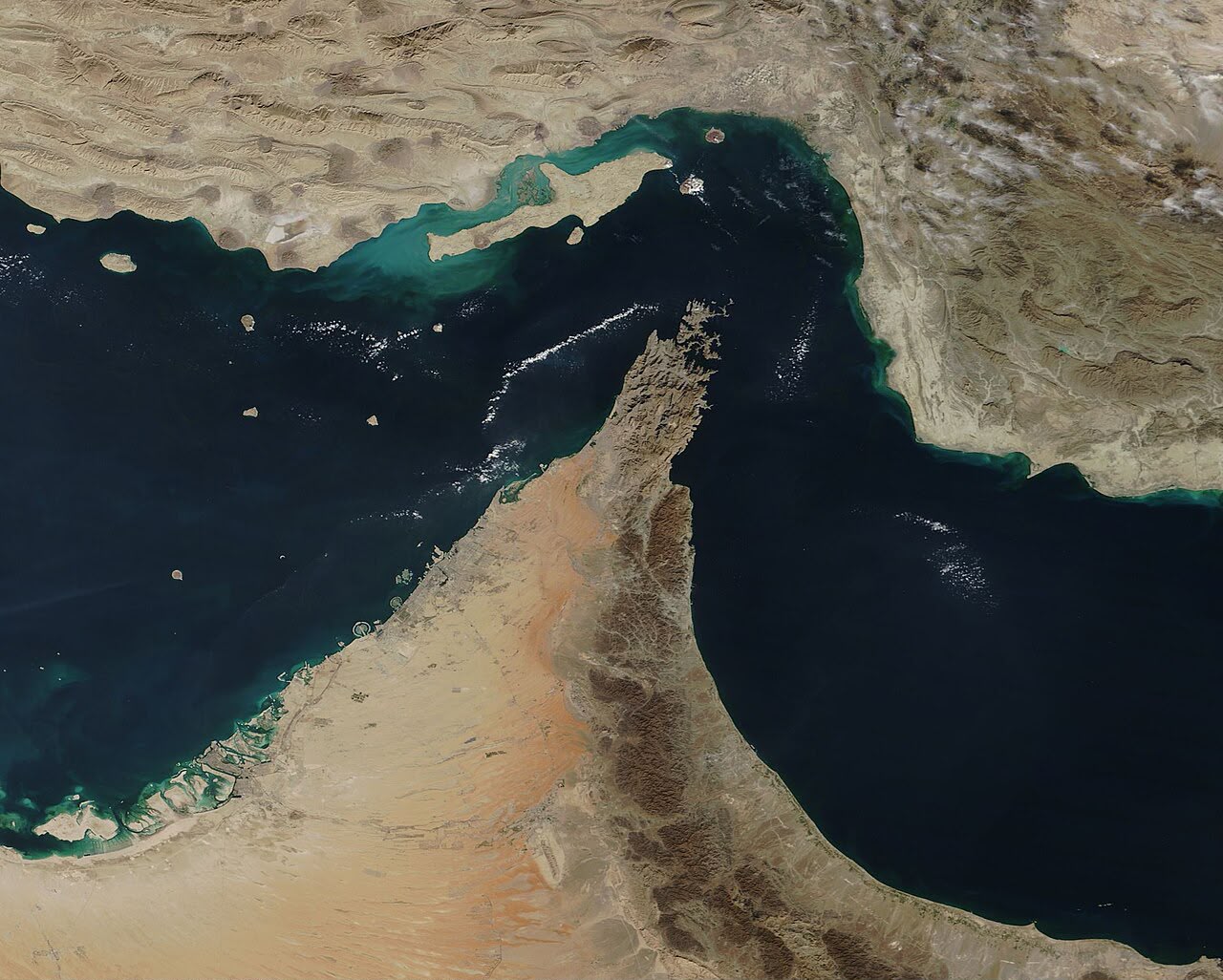
Iran has proposed a seven-day plan that would allow normal maritime traffic to return through the Strait of Hormuz while creating a path toward ending the wider fighting in the region. The proposal was communicated through Qatari mediators during the United Nations General Assembly in New York.
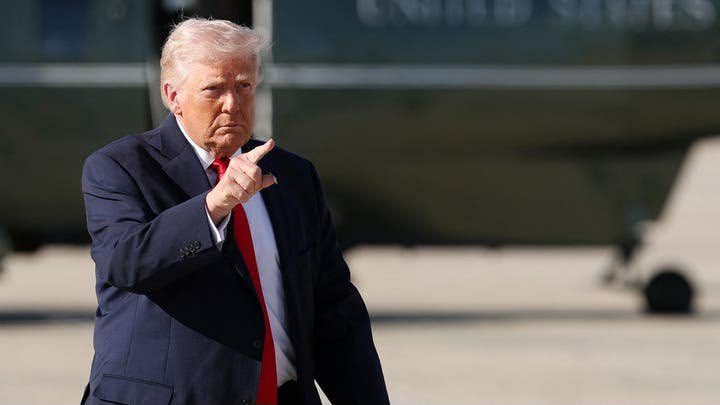
U.S. President Donald Trump said Saturday that he had rejected the proposal.
The development represents another setback for diplomatic efforts that had shown limited signs of movement during a week of intense international meetings. American and Iranian officials communicated indirectly through mediators during the UN gathering, marking their first such contacts since a previous ceasefire collapsed in July. (Reuters)
For countries far from the Middle East, the situation is being closely watched because of the Strait of Hormuz.
The narrow waterway is a critical route for international energy supplies. Any prolonged disruption can affect shipping costs, fuel markets and economies that depend on imported oil and gas.
The latest disagreement therefore goes beyond the immediate dispute between Washington and Tehran.
Iran says its proposal could lead to the reopening of the waterway and the restoration of normal maritime movement if the necessary conditions are met. Washington, however, has rejected the initiative, with Trump saying he did not accept the proposed arrangement. (Reuters)
The diplomatic tension has unfolded alongside a broader week of international negotiations.
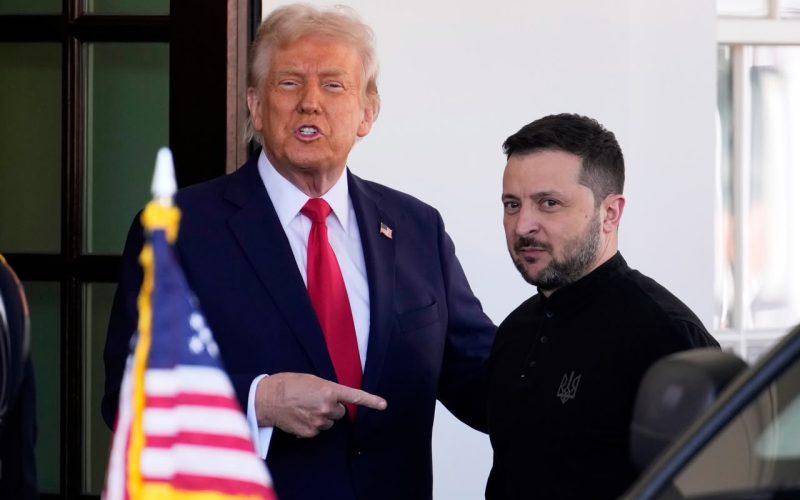
At the United Nations, discussions have also focused on the war in Ukraine, global security and the rapidly developing field of artificial intelligence. While diplomats held numerous meetings, no major settlement emerged for either the Iran or Ukraine conflicts. (Reuters)
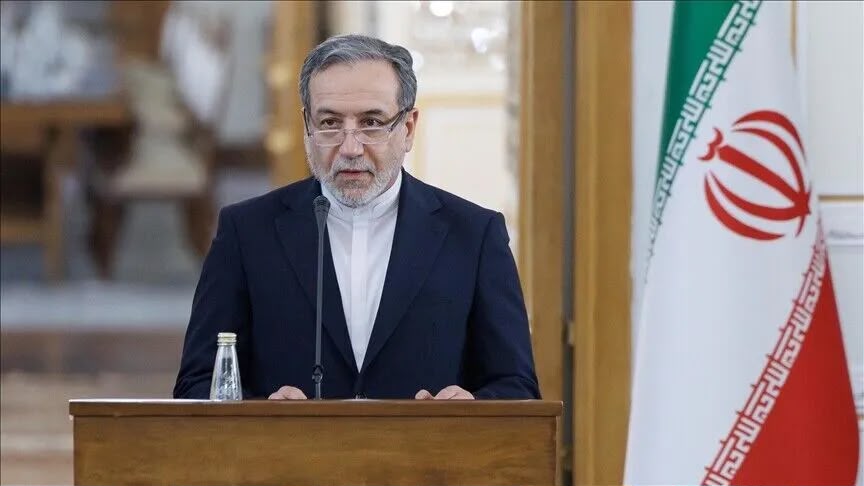
““The choice now rests with the United States.” Abbas Araqchi, Iranian Foreign Minister, September 25, 2026.”
The United States and China also used the week for high-level discussions. President Trump and Chinese President Xi Jinping met in Washington, with the Middle East conflict forming part of their conversation. China has called for a return to negotiations, while Washington has warned Beijing against supporting Iran. (The Straits Times)
China’s position was also evident at the United Nations on Saturday. Vice President Han Zheng called for respect for the sovereignty and security of Gulf countries and urged an end to pressure against Cuba, without directly naming the United States. (Internazionale)
The contrasting positions underline how the Iran conflict has become an international issue involving energy security, trade, diplomacy and relations between major powers.
For now, there is no clear agreement between Washington and Tehran.
The immediate question is whether further negotiations can reopen a diplomatic channel or whether the disagreement over the Strait of Hormuz will deepen.
With governments already monitoring the impact of disrupted shipping, the next moves by Iran and the United States could have consequences well beyond the region.