
Persian culture is one of the world’s oldest continuously influential cultural traditions, with a history shaped by literature, art, architecture, music, cuisine and celebrations. Although Persian communities today live across Iran and around the world, many traditions remain an important part of cultural identity.
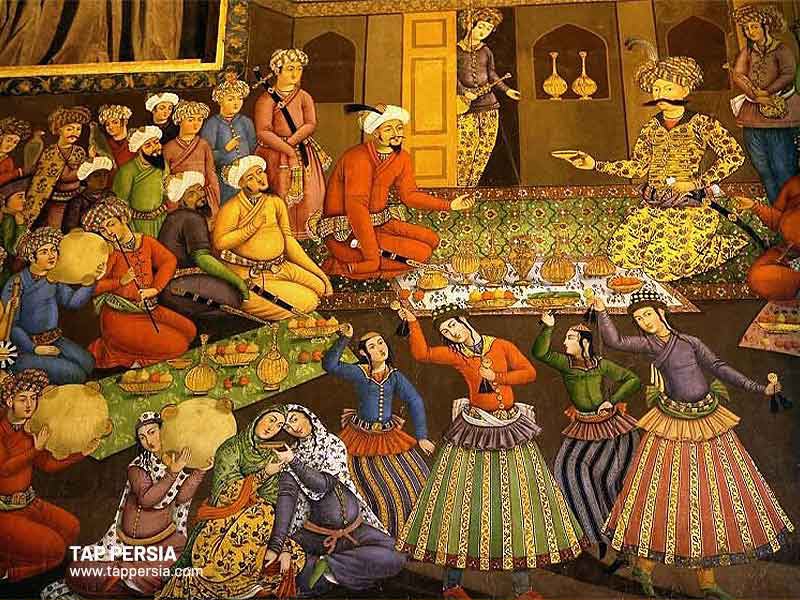
One of the most recognizable Persian celebrations is Nowruz, the Persian New Year. Observed at the beginning of spring, Nowruz is associated with renewal, family gatherings and the arrival of a new year. Families prepare special foods, visit relatives and take part in customs that have been passed down through generations.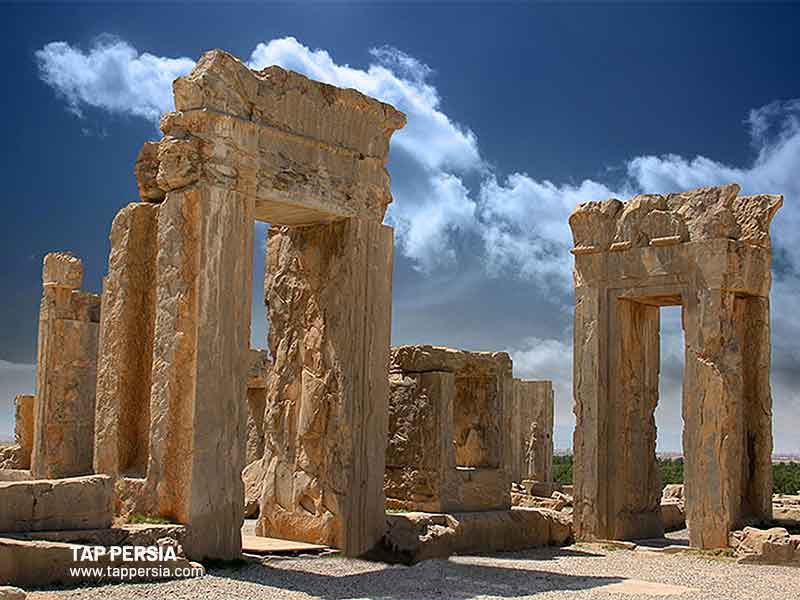
“A nation’s culture resides in the hearts and in the soul of its people.” — Mahatma Gandhi
Poetry and literature
Persian literature has played an important role in shaping the cultural identity of Persian-speaking communities. Poets including Rumi, Hafez, Saadi and Ferdowsi produced works that have been read and translated across generations.
Their poetry addresses themes such as love, spirituality, morality, human relationships and the search for knowledge. Persian poetry continues to appear in schools, homes, cultural gatherings and modern publishing.
Art and craftsmanship
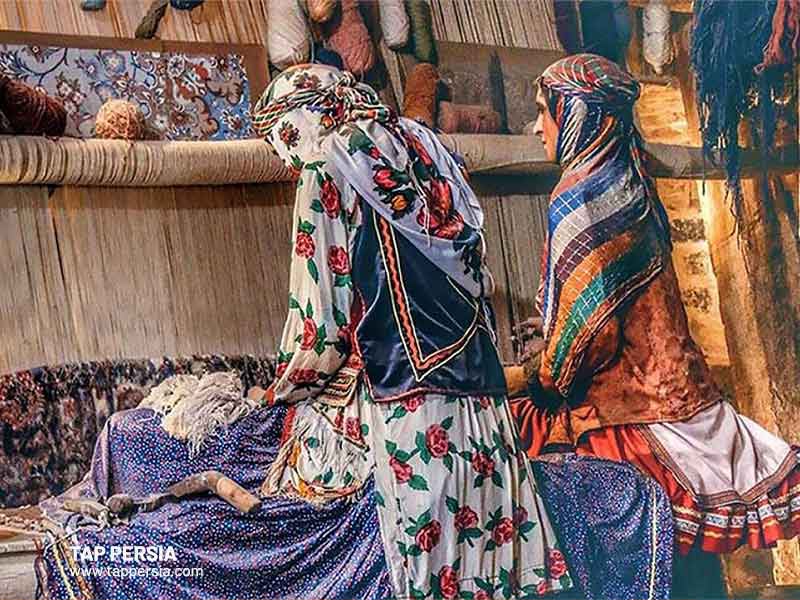
Persian artistic traditions are also visible in carpets, miniature painting, ceramics, calligraphy and architecture. Persian carpets, in particular, are recognized for detailed patterns and craftsmanship.
Traditional designs have also influenced contemporary artists and interior designers. Craftspeople continue to use techniques developed over centuries while adapting their products to modern markets.
“The world is a garden, and mankind is its fruit.” Saadi, Persian Poet”
Food as cultural identity
Food remains another important expression of Persian heritage. Dishes featuring rice, herbs, vegetables, meat, fruits and aromatic spices are part of many family and community gatherings.
Cooking traditions are often passed from parents and grandparents to younger generations. Recipes may change slightly over time, but preparing familiar dishes remains a way of maintaining connections with family history.
A culture adapting to modern life
Persian culture has not remained frozen in the past. Younger generations increasingly combine traditional practices with modern lifestyles, technology and global influences.
Persian music can be found alongside contemporary genres, while traditional clothing, art and food continue to appear in modern settings. Persian communities living outside Iran have also developed cultural organizations and events that help maintain connections with their heritage.
The continuing presence of Persian traditions demonstrates how culture can evolve without losing its historical foundations. Through celebrations, literature, food, art and family customs, Persian heritage remains part of everyday life for millions of people around the world.