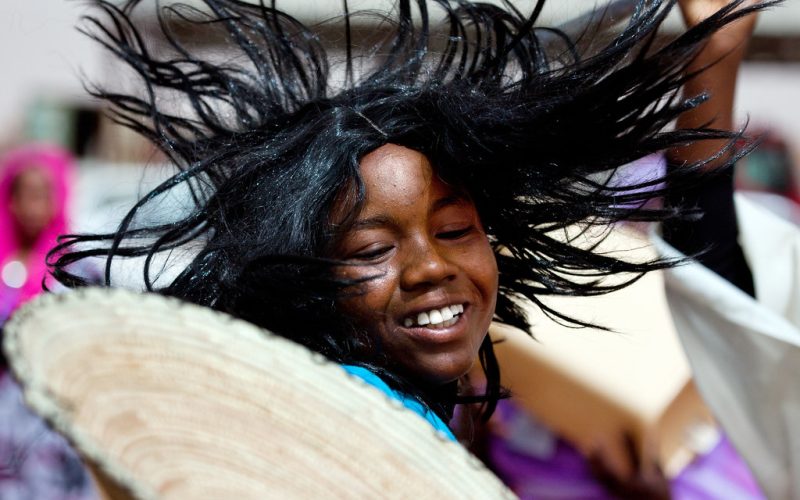

Norway is one of the most beautiful countries in the world, famous for its breathtaking landscapes, peaceful environment, rich cultural heritage and high quality of life. Located in Northern Europe, Norway is part of Scandinavia and shares borders with Sweden, Finland and Russia. The country is surrounded by the Norwegian Sea, the North Sea and the Barents Sea, making it an important destination for nature lovers and travellers seeking unforgettable experiences.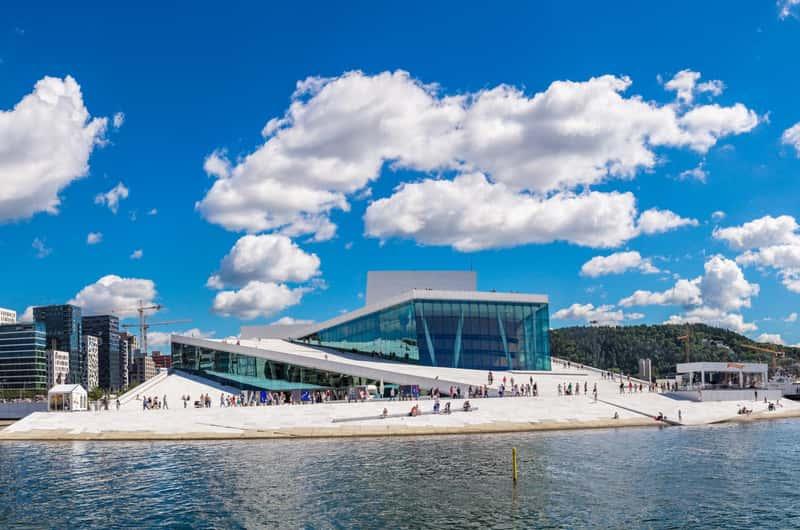
Known as the Land of the Midnight Sun, Norway offers extraordinary natural attractions, including towering mountains, deep fjords, beautiful waterfalls, glaciers and spectacular coastlines. Whether visitors want to explore modern cities, experience traditional village life or enjoy outdoor adventures, Norway has something for everyone.
Geography and Natural Beauty
Norway is internationally recognised for its impressive geographical features. Its landscape is characterised by mountains, valleys, forests, lakes and thousands of kilometres of coastline. One of the country’s most famous natural attractions is its fjords. These deep, narrow sea inlets are surrounded by steep cliffs and mountains, creating some of the most spectacular scenery in Europe.
The Geirangerfjord is among Norway’s most celebrated natural attractions. It is famous for its dramatic cliffs, beautiful waterfalls and clear blue waters. Another remarkable destination is Nærøyfjord, which attracts visitors with its narrow waterways and impressive mountain scenery.
Norway also has several national parks that protect its unique wildlife and natural environments. Visitors can explore mountains, glaciers and forests while enjoying activities such as hiking, camping, fishing and wildlife photography.
The country’s northern regions offer another extraordinary experience. During winter, visitors may witness the Northern Lights, also known as the Aurora Borealis. These colourful lights appear in the night sky, creating beautiful displays of green, purple and pink. In summer, northern Norway experiences the Midnight Sun, when the sun remains visible even at midnight.
Norwegian Cities and Attractions
Oslo, the capital city, is the country’s political, economic and cultural centre. It is known for its museums, modern architecture, parks and waterfront attractions. The Oslo Opera House is one of the city’s most recognisable landmarks, offering impressive architecture and beautiful views of the surrounding harbour. Visitors can also explore the Viking Ship Museum’s successor exhibition facilities and other cultural institutions dedicated to Norwegian history.
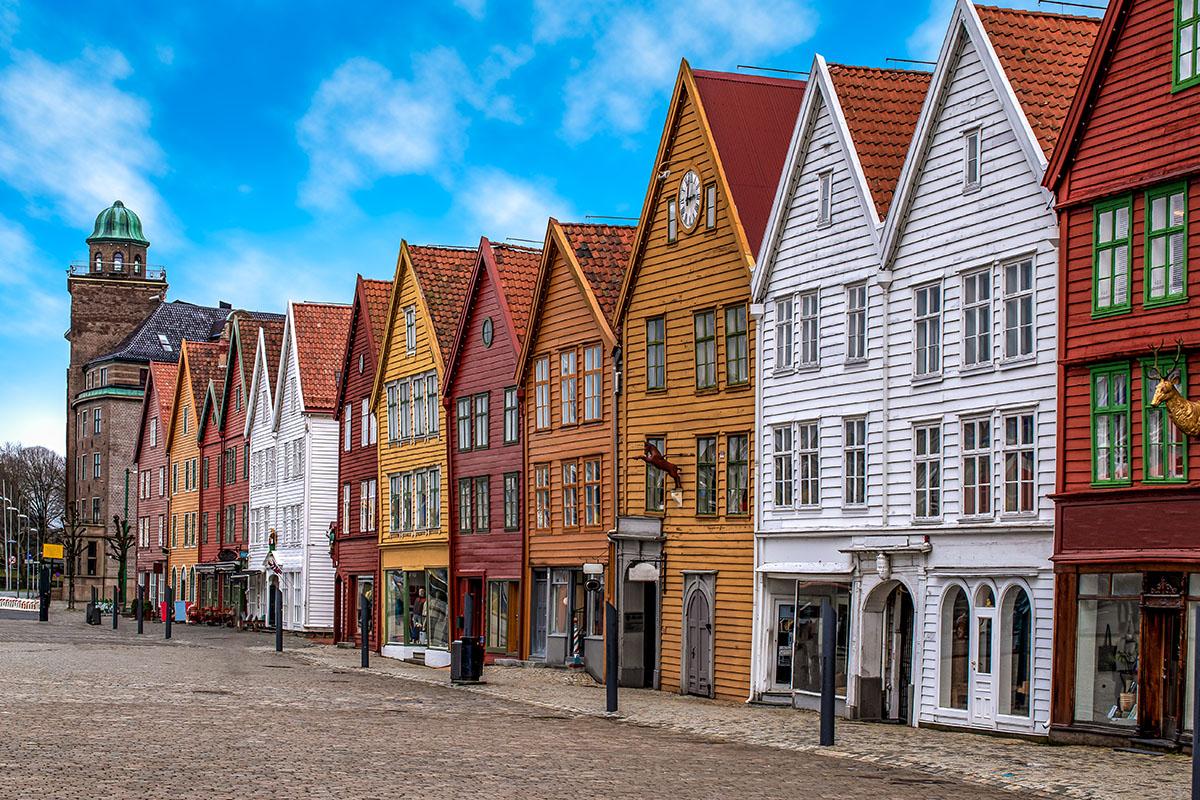
Bergen is another popular destination. Often called the gateway to the fjords, Bergen is surrounded by mountains and beautiful waterways. Its historic Bryggen waterfront, with colourful wooden buildings, is a UNESCO World Heritage Site. The city is also famous for its seafood, cultural festivals and scenic mountain views.
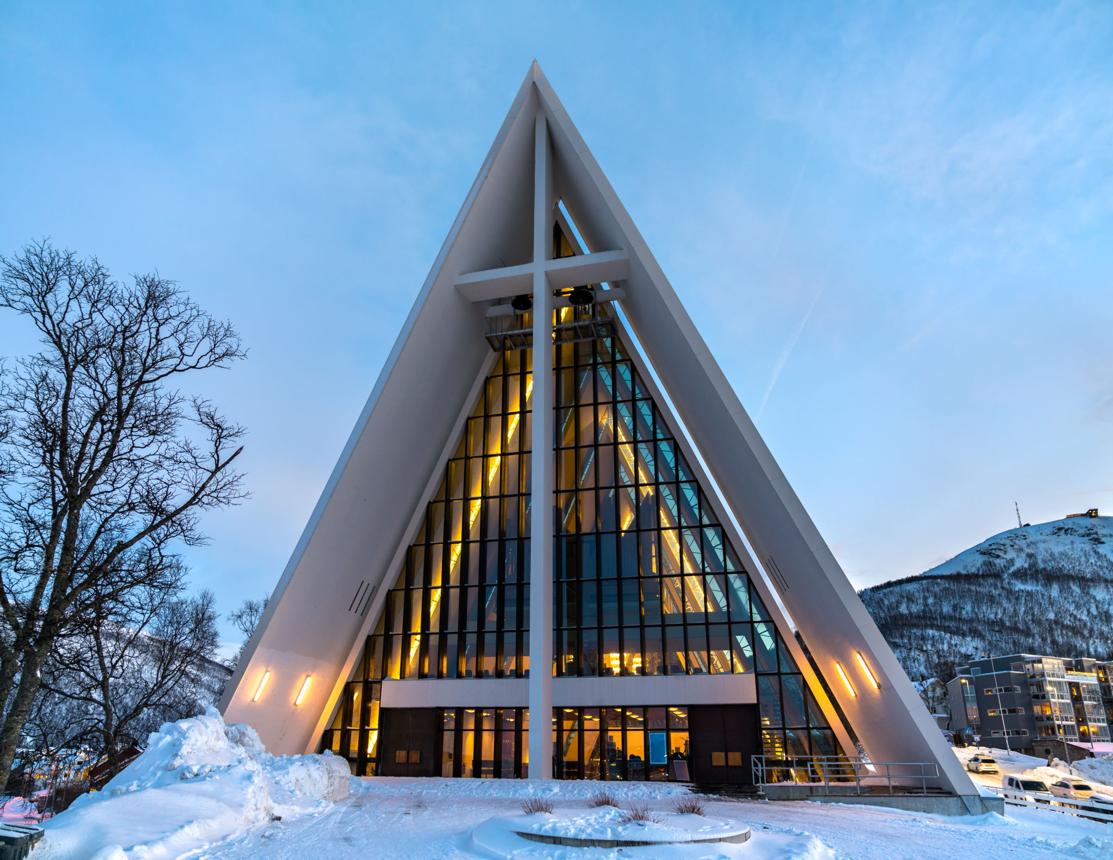
Tromsø, located in northern Norway, is a favourite destination for travellers interested in Arctic experiences. It is particularly popular for Northern Lights tours, whale watching and winter activities. Visitors can also learn about Arctic exploration and the history of life in northern Norway.
Stavanger is known for its charming old town, coastal scenery and access to the famous Pulpit Rock, also called Preikestolen. The area attracts hikers who want to experience dramatic views above the Lysefjord.
Culture and Traditions
Norwegian culture is strongly influenced by the country’s history, geography and connection with nature. Family life, equality, community participation and outdoor activities are important aspects of Norwegian society.
One of the most important celebrations is Constitution Day, observed on 17 May. This national holiday commemorates the signing of Norway’s constitution in 1814. People celebrate with colourful parades, traditional clothing, music and community gatherings. Children are especially important during the celebrations, and many participate in school parades.
Traditional Norwegian clothing is known as the bunad. These beautifully designed outfits often feature detailed embroidery, decorative patterns and regional designs. They are commonly worn during national celebrations, weddings and other special occasions.
Norwegian cuisine also reflects the country’s natural environment. Seafood is particularly popular, with salmon, cod, shrimp and herring forming important parts of traditional meals. Other well-known foods include brunost, a distinctive brown cheese, and fårikål, a traditional lamb and cabbage dish.
“Norway is one of the most beautiful countries in the world, famous for its breathtaking landscapes, peaceful environment,…”
Economy and Quality of Life
Norway has one of the strongest economies in Europe. Its wealth comes from several industries, including petroleum, natural gas, shipping, fishing, renewable energy and technology. The discovery of oil and gas in the North Sea transformed the Norwegian economy and contributed significantly to national development.
The country manages much of its petroleum wealth through the Government Pension Fund Global, commonly known as Norway’s sovereign wealth fund. The fund invests internationally to help preserve national wealth for future generations.
Norway is also recognised for its strong public institutions, education system and healthcare services. Its social welfare model aims to provide citizens with access to essential services and opportunities. The country regularly ranks highly in international assessments of living standards and human development.
Tourism and Outdoor Activities
Tourism is an important part of Norway’s economy. The country attracts visitors throughout the year because of its diverse natural attractions and outdoor experiences.
During summer, hiking is among the most popular activities. Visitors explore mountain trails, national parks and scenic viewpoints. Cycling, kayaking, fishing and camping are also common activities.
Winter brings opportunities for skiing, snowboarding, dog sledding and snowshoeing. Popular destinations include Trysil, Hemsedal and Lillehammer. These locations offer excellent facilities for winter sports enthusiasts.
Travelling through Norway can also be an unforgettable experience. Scenic railway journeys, including the famous Flåm Railway, provide remarkable views of mountains, valleys and waterfalls. Coastal cruises allow travellers to explore remote communities and spectacular landscapes.
Conclusion
Norway is a remarkable country that combines natural beauty, cultural traditions, economic strength and a high quality of life. From the spectacular fjords and Northern Lights to modern cities such as Oslo and Bergen, the country offers experiences that appeal to different interests.
Its commitment to environmental protection, social development and sustainable economic growth makes Norway an inspiring example for other nations. Whether someone visits for adventure, relaxation, education or cultural exploration, Norway provides an unforgettable experience.