
Singapore has strengthened its environmental protection laws following concerns about transboundary haze pollution, with Parliament passing amendments that increase the maximum fine for companies responsible for haze-related offences from S$2 million to S$20 million. The new measures are intended to improve accountability, strengthen investigations and discourage businesses from engaging in activities that contribute to air pollution across national borders.
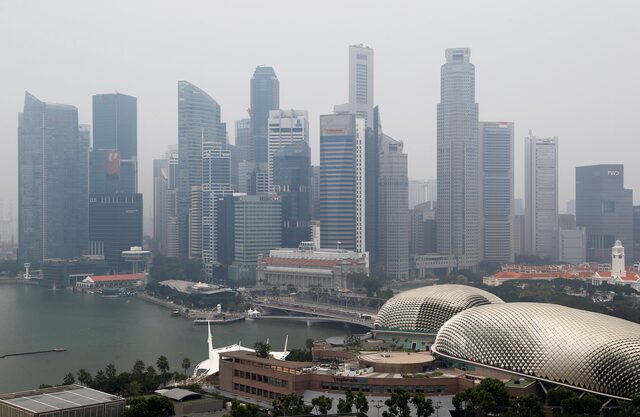
The decision marks an important development in Singapore’s ongoing efforts to address environmental challenges affecting the country and the wider Southeast Asian region. Haze pollution has been a recurring concern in Singapore, particularly during periods when agricultural land clearing and forest fires in neighbouring countries cause smoke to travel across borders.
The amendments to the Transboundary Haze Pollution Act were passed in Parliament on Wednesday, 4 November 2026, following a debate involving Members of Parliament. The legislation gives the government stronger tools to investigate companies and commercial activities suspected of contributing to haze pollution.
The government believes that stronger penalties are necessary because environmental damage can affect thousands of people, disrupt economic activities and place additional pressure on public healthcare services.
Tougher penalties for environmental offences
One of the most significant changes is the increase in the maximum financial penalty for companies found guilty of relevant haze-related offences. The previous maximum fine of S$2 million will rise to S$20 million.
The increase represents a tenfold rise and demonstrates Singapore’s determination to make environmental responsibility a serious business obligation.
Authorities believe that stronger financial penalties can discourage companies from adopting irresponsible land-clearing practices. Businesses that operate in industries associated with agriculture, plantations and land development are expected to pay particular attention to their environmental responsibilities.
The legislation also strengthens the government’s ability to investigate businesses that may have commercial connections to activities responsible for cross-border haze.
This is important because environmental pollution does not always originate from companies operating directly within Singapore. Businesses may have investments, subsidiaries, suppliers or other commercial relationships connected to activities taking place outside the country.
By strengthening its investigative powers, Singapore hopes to establish greater accountability throughout these business relationships.
Health concerns remain a major priority
Haze pollution is not simply an environmental issue. It is also a public health concern that can affect people of different ages, especially children, older adults and individuals with existing respiratory sensitivities.
When smoke and fine particles enter the atmosphere, they can reduce air quality and make outdoor activities uncomfortable. People may experience coughing, throat irritation, eye irritation and breathing difficulties.
During serious haze episodes, schools, workplaces and outdoor organisations may need to adjust their activities to reduce exposure.
Healthcare facilities can also experience increased demand when more people seek treatment for respiratory symptoms.
Singapore has invested in air-quality monitoring and public communication to help residents understand environmental conditions. Government agencies regularly provide information about air pollution levels and advise members of the public to take precautions when air quality deteriorates.
The stronger legislation is therefore part of a wider strategy to prevent environmental damage rather than simply responding after pollution has occurred.
Regional cooperation is essential
Although Singapore can strengthen its domestic laws, controlling transboundary haze requires cooperation with neighbouring countries.
Forest and land fires can occur outside Singapore’s territory, meaning that effective prevention depends on collaboration between governments, environmental agencies and businesses throughout the region.
Singapore has continued to support regional initiatives aimed at preventing uncontrolled burning and improving environmental monitoring.
The country also recognises that companies operating across Southeast Asia should adopt responsible environmental practices regardless of where their business activities take place.
During parliamentary discussions, the importance of international cooperation was emphasised. Environment and Sustainability Minister Grace Fu noted that tougher legislation alone would not solve the haze problem.
“Singapore has strengthened its environmental protection laws following concerns about transboundary haze pollution, with Parliament passing amendments that…”
This highlights the need for neighbouring countries to work together, share information and develop practical solutions to prevent fires before they spread.
Regional cooperation is particularly important because the economic and environmental consequences of haze are not limited by national borders.
Impact on businesses
The new legislation is also expected to influence how companies manage environmental risks.
Businesses may need to review their supply chains, improve environmental monitoring and ensure that their commercial partners comply with applicable environmental standards.
Companies that operate in sectors associated with land development and agriculture may face greater pressure to demonstrate that their operations do not contribute to illegal burning.
Investors and business partners may also become more careful when assessing the environmental practices of companies operating in the region.
Environmental responsibility is increasingly becoming an important part of corporate reputation. Businesses that fail to manage environmental risks may face financial penalties as well as damage to their public image.
For Singapore, the amendments send a clear message that commercial activities should not come at the expense of public health and environmental protection.
Looking ahead
The strengthening of Singapore’s haze laws represents a significant step towards improving environmental accountability in Southeast Asia.
However, the effectiveness of the legislation will depend on how consistently it is implemented and whether investigations can successfully identify those responsible for pollution.
The government will also need to maintain cooperation with neighbouring countries to address the causes of haze at their source.
For ordinary Singaporeans, the most important expectation is that stronger laws will contribute to cleaner air, healthier communities and better protection against future environmental emergencies.
Ultimately, the fight against haze pollution requires more than government legislation. It requires responsible businesses, regional cooperation and public commitment to environmental protection.
Singapore’s decision to increase the maximum fine to S$20 million demonstrates its willingness to take stronger action against environmental offences and protect the well-being of present and future generations.