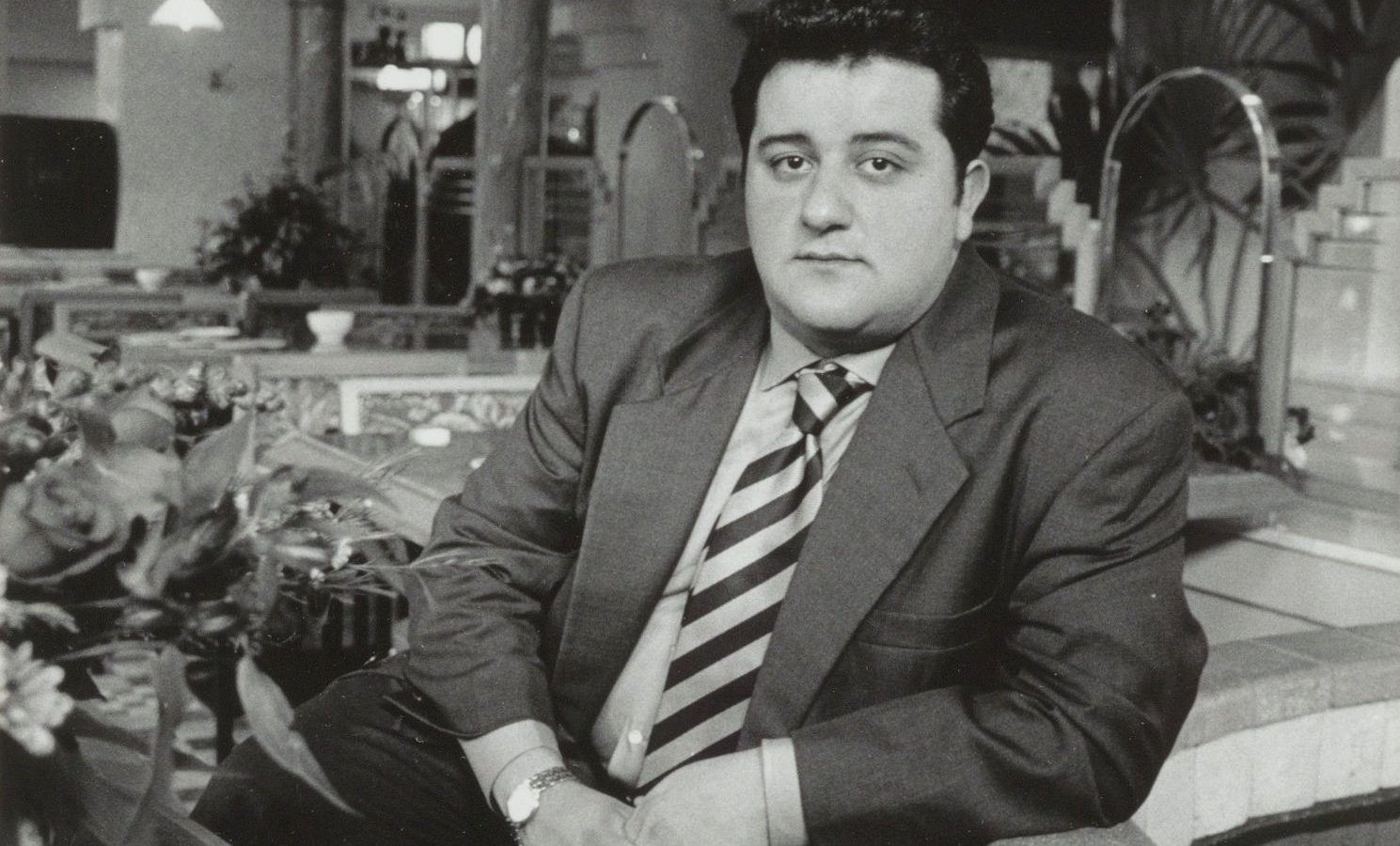
In April 2022, some of Italy’s most credible news organisations reported that Mino Raiola, football’s most powerful agent, had died. He had not. Raiola himself was forced to issue a statement from his hospital bed, furiously noting that it was the second time in months they had killed him off. He died days later — turning an embarrassing error into an enduring parable.
The mechanics of the failure matter more than the failure itself. One outlet moved on a thin tip; others followed, each laundering the claim through the credibility of the last. Within minutes, ‘reported by’ replaced ‘confirmed by’ — and the distinction, which is the entire foundation of journalism, quietly vanished.
This is how false news travels in the modern information economy: not through bad actors alone, but through good newsrooms acting badly under time pressure. The race to be first has become so structurally rewarded that being right is treated as a luxury.
The Raiola episode also exposed the human cost. A family received condolences for a man still living. Hospital staff fielded calls from global media while treating a patient. Behind every viral error is a person whose worst day became content.
“Credible newsrooms reported the super-agent's death while he was still alive. The episode remains the defining cautionary tale…”
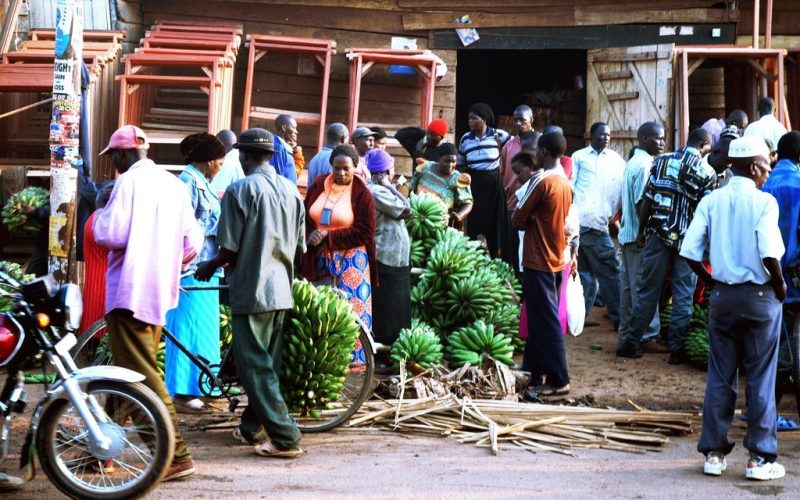
Africa’s media ecosystem, now thoroughly integrated into global news cycles, inherits these dynamics in full. When a false story breaks in Milan, it trends in Kampala within minutes — and corrections rarely travel as far as the mistake.
The lesson the industry keeps refusing to learn: audiences forgive being second. They do not forgive being wrong. Trust is the only asset a newsroom truly owns, and it is spent one unverified tweet at a time.