
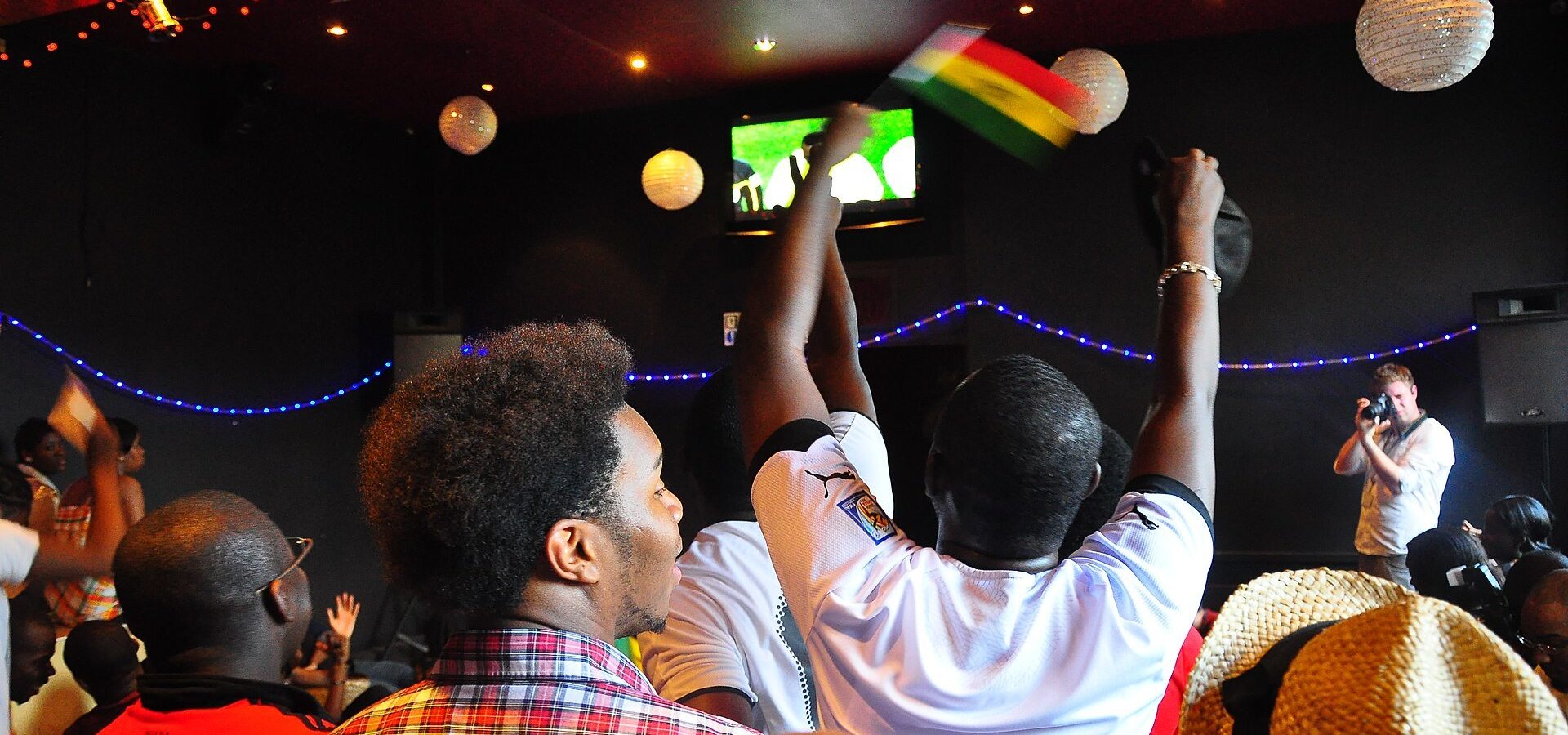
On any given Saturday, millions of Africans arrange their afternoons around fixtures played four thousand kilometres away. Arsenal and Manchester United inspire in Kampala a devotion that KCCA and Vipers can only envy. The English Premier League is, by any honest measure, Africa’s most-watched cultural product.
The roots are structural. Satellite television arrived in African homes just as the Premier League globalised in the 1990s, and the league marketed itself into that vacuum with ruthless competence. A generation grew up with Cantona and Henry as household names before they ever saw a domestic league match on a decent broadcast.
The economics then locked in the emotion. European clubs earn African attention; African broadcasters pay European prices for rights; African betting companies wrap the whole package in a gambling economy that keeps engagement compulsory. Every actor in the chain profits — except the domestic game.
The cost is measurable. Stadiums sit half-empty for local fixtures while viewing centres charge entry for European ones. Sponsors follow the eyeballs, talent follows the sponsors, and the domestic league enters a decline spiral that becomes self-fulfilling.
“From Kampala video halls to Lagos viewing centres, European football commands African loyalty that domestic leagues can only…”
Yet the obsession also proves the market exists. Africans will pay for football — reliably, passionately, at scale. The question confronting CAF and national federations is why that willingness is harvested by everyone except African football itself.
Some leagues are finally fighting back with broadcast-quality production and genuine club branding. The lesson of the Premier League’s conquest is that attention follows product, not patriotism. African football does not need less love for Europe’s game; it needs a product worthy of redirecting that love.