

Global financial markets have experienced renewed excitement surrounding artificial intelligence following a dramatic development involving American technology company Nvidia.
The company’s unexpected leadership reversal helped restore investor confidence and triggered a major rally in technology shares across the United States and Asian financial markets.
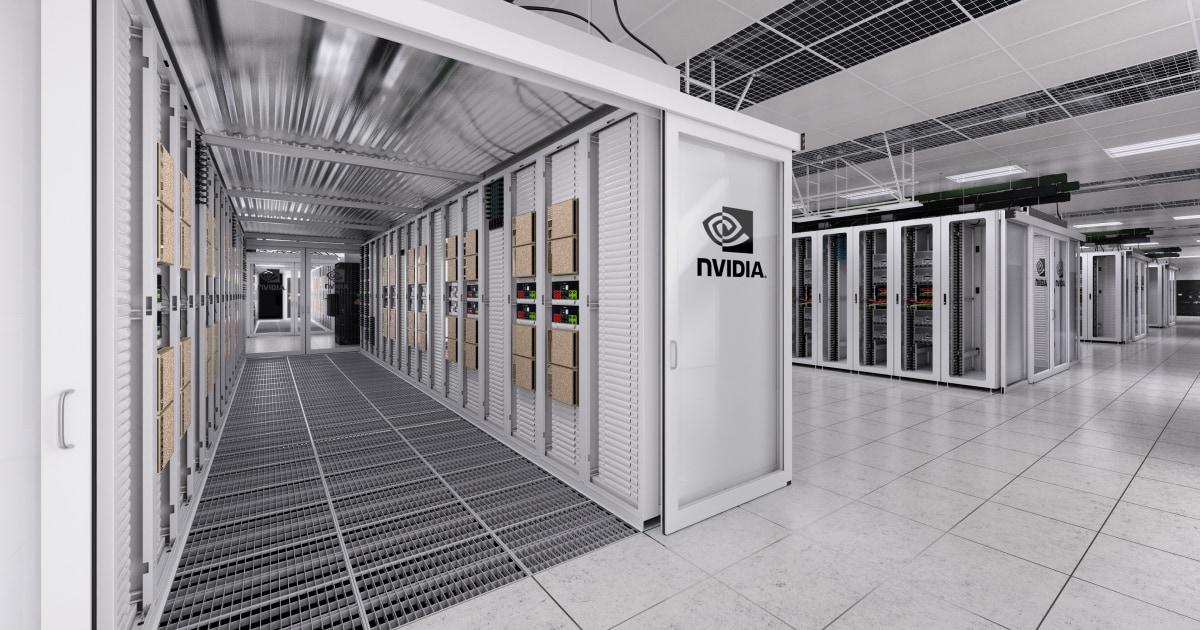
Nvidia is one of the world’s most important suppliers of artificial intelligence computing technology. Its processors are widely used in data centres, machine learning systems and advanced computing infrastructure.
The latest developments have attracted attention from investors because Nvidia’s performance has become closely connected to the wider global AI investment market.
Leadership change creates market excitement
According to reports published on 23 and 24 November, Nvidia’s board reinstated chief executive Jensen Huang after his departure on 12 November.
The decision followed pressure from employees, technology leaders and other influential stakeholders.
The leadership uncertainty had contributed to concerns about the company’s future direction and the wider artificial intelligence investment sector.
The announcement of Huang’s return changed investor sentiment.
Nvidia shares increased by approximately 31.5% on Monday, closing at $165.05.
The rally added approximately $952 billion to the company’s market value, bringing it close to $3.98 trillion.
The increase also supported broader financial markets.
The Nasdaq Composite rose approximately 6.5%, while the S&P 500 gained around 4.7%.
These developments demonstrated the significant influence that major technology companies can have on global investment sentiment.
Why Nvidia is important to the international economy
Nvidia has become a central company in the development of artificial intelligence.
Its graphics processing units are used by technology companies, cloud computing providers, research institutions and businesses developing advanced AI applications.
Demand for AI computing has encouraged major technology companies to invest billions of dollars in data centres and specialised computer infrastructure.
These investments support a large international supply chain.
Companies in Taiwan manufacture important semiconductor components, while businesses in South Korea supply memory chips and other electronic components.
Manufacturers in China and other Asian economies also participate in the wider electronics and technology supply chain.
This means that developments involving Nvidia can influence businesses far beyond the United States.
Impact on Asian financial markets
The renewed investor optimism spread rapidly across Asian markets.
Shares in companies associated with semiconductor production and AI infrastructure experienced gains.
Technology businesses such as Taiwan Semiconductor Manufacturing Company, Foxconn, MediaTek, Samsung Electronics and SK Hynix attracted investor attention.
These companies are important participants in the global technology supply chain.
Their performance is influenced partly by expectations about future demand for AI processors, memory chips, data centres and related equipment.
The rally demonstrated how international financial markets respond to developments involving major technology companies.
It also highlighted the growing connection between American technology firms and Asian manufacturing industries.
Concerns about an artificial intelligence investment bubble
Despite the market rally, concerns about excessive investment in artificial intelligence remain.
“Global financial markets have experienced renewed excitement surrounding artificial intelligence following a dramatic development involving American technology company…”
Many technology companies are investing heavily in AI infrastructure because they expect demand for advanced computing services to increase rapidly.
However, investors are questioning whether future revenue will justify the enormous spending.
Building data centres requires substantial capital expenditure. Companies must purchase processors, construct facilities, secure electricity supplies and develop cooling systems.
If demand for AI services fails to grow sufficiently, businesses could struggle to recover these investments.
There are also concerns about financial relationships between AI technology companies and their customers.
Nvidia’s commercial relationships with some companies in the AI ecosystem have attracted scrutiny because the company both supplies technology and participates in arrangements that support the development of its customers.
Critics worry that such arrangements could create excessive financial dependence within the industry.
Corporate governance and regulatory scrutiny
The leadership controversy has also raised questions about corporate governance.
Large international companies are expected to maintain transparent decision-making structures and effective oversight.
When a company’s leadership changes unexpectedly, investors may become concerned about management stability and the independence of the board.
Nvidia’s situation has attracted additional attention because of investigations and questions involving export controls, corporate conduct and national security.
US lawmakers have called for greater scrutiny of relevant issues.
These developments demonstrate that technology companies face challenges extending beyond product innovation and financial performance.
They must also comply with international regulations, maintain investor confidence and manage political risks.
Implications for international businesses
The renewed AI market rally could encourage additional investment in semiconductor manufacturing, cloud computing and digital infrastructure.
It may also support businesses supplying electricity, cooling systems, construction materials and networking equipment to data centres.
For developing economies, the expansion of AI infrastructure creates opportunities to attract technology investment and develop digital services.
However, countries must also address challenges involving electricity supply, digital skills, infrastructure costs and cybersecurity.
For investors, the latest developments offer both opportunities and risks.
Companies with strong technology, reliable revenue and sustainable business models may benefit from growing demand.
Businesses relying mainly on market excitement rather than actual commercial performance could face difficulties if investor expectations change.
Future outlook
Artificial intelligence is likely to remain one of the most important drivers of international business investment.
However, the future of the sector will depend on whether companies can turn technological innovation into profitable commercial services.
Nvidia’s market recovery demonstrates the power of investor confidence, but the company’s longer-term performance will also depend on management stability, competition, regulation and demand for AI computing.
Conclusion: Nvidia’s dramatic market comeback has revived enthusiasm for artificial intelligence and strengthened technology shares across global markets. Nevertheless, investors must consider the risks of excessive spending, corporate governance challenges and uncertain future returns. The development highlights how artificial intelligence has become a major force shaping international business and financial markets.