
Australia’s central bank has warned that inflation risks may be increasing as higher energy prices and continued domestic demand put pressure on the economy.
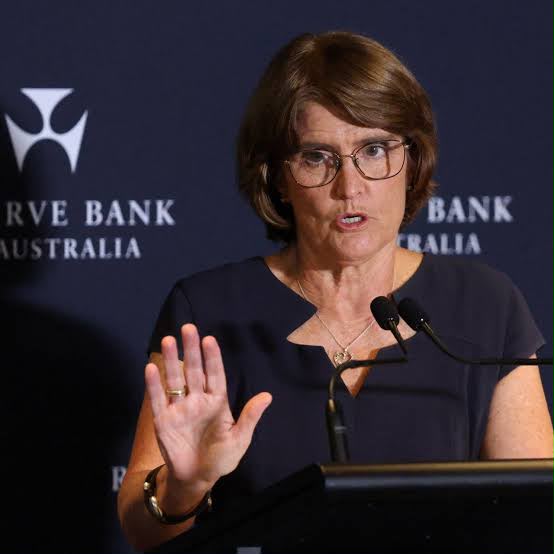
Reserve Bank of Australia Governor Michele Bullock said recent developments in global energy markets could make it more difficult to bring inflation back to the bank’s target range.
Speaking at a business event on September 22, Bullock highlighted geo
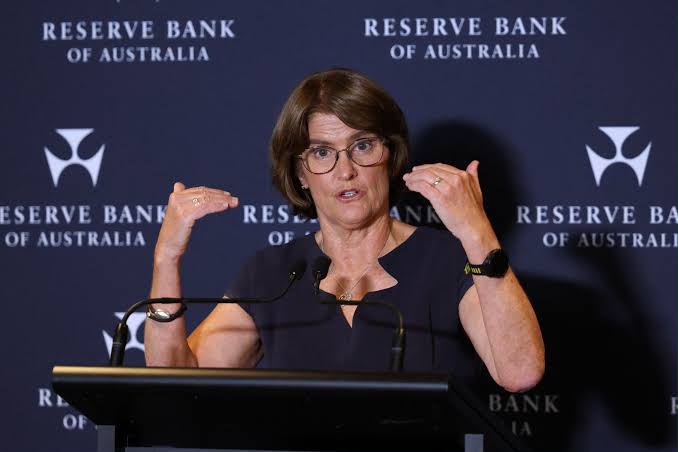
political tensions in the Middle East and their potential impact on energy prices as a risk to Australia’s inflation outlook.
Australia’s annual trimmed-mean inflation rate stood at 3.6%, above the Reserve Bank’s 2% to 3% target range.
The central bank has raised its cash rate by 75 basis points since February, taking the rate to 4.35%, according to Reuters.
Higher interest rates are intended to reduce demand and ease pressure on prices. However, energy costs can be influenced by international events, meaning monetary policy alone cannot directly control those price increases.
Oil prices have risen amid uncertainty surrounding the Middle East and the Strait of Hormuz, an important route for global energy shipments.
Higher fuel costs can affect businesses across the economy, from transportation and manufacturing to retail and services. Companies facing higher operating costs may pass some of those increases on to consumers.
Australia’s unemployment rate was 4.5% in the latest figures cited by Reuters.
Bullock said some weakening in the labour market could be necessary to help bring inflation back toward the central bank’s target.
“Inflation risks may be materializing.” Attribution: Michele Bullock, Governor of the Reserve Bank of Australia.”
The Reserve Bank has said future interest-rate decisions will depend on incoming economic data and its assessment of inflation and employment.
Assistant Governor Sarah Hunter has also indicated that another rate increase could be necessary if inflation remains elevated, according to Reuters.
The outlook is being closely monitored by financial markets. Investors are assessing whether persistent inflation and higher energy costs could lead to further monetary tightening.
For households, higher interest rates can increase mortgage repayments and other borrowing costs. Businesses can also face higher financing costs when rates rise, potentially affecting investment and expansion plans.
At the same time, elevated energy prices can add to household expenses and business costs independently of interest-rate policy.
The combination presents a challenge for the Reserve Bank as it seeks to control inflation without placing excessive pressure on economic activity.
Policymakers will therefore continue to monitor inflation, employment, consumer spending and developments in global energy markets.
The bank’s next decisions will be closely watched by Australian households, businesses and investors as they assess the direction of borrowing costs and the wider economy.
For now, inflation remains above the Reserve Bank’s target range, while higher energy prices have added another factor to the economic outlook.