
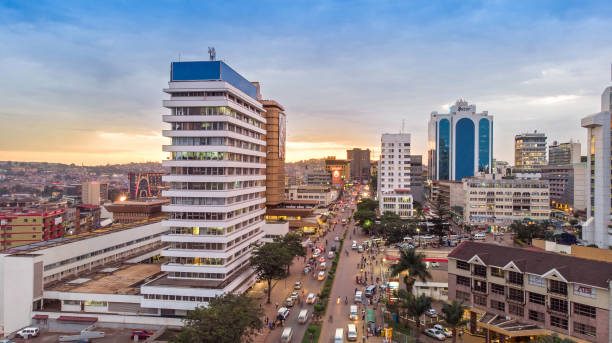
Kampala is building again. From new arterial roads to the first phases of a long-promised light rail, a wave of infrastructure investment is physically redrawing Uganda’s capital.
The changes are already visible in property prices along the new corridors, where land values have climbed sharply in anticipation of shorter commutes and denser development.
For the city’s two million daily commuters, the promise is measured in hours: planners estimate the completed network could cut average journey times by a third.
Critics point to displacement risks and the familiar gap between announcement and delivery. City officials insist compensation frameworks are in place and timelines are funded.
“A wave of infrastructure investment is transforming commutes, property prices and the daily rhythm of Uganda's capital.”
Whatever the pace, the direction is set. Kampala in 2030 will be a different city — the question is who gets to belong to it.