

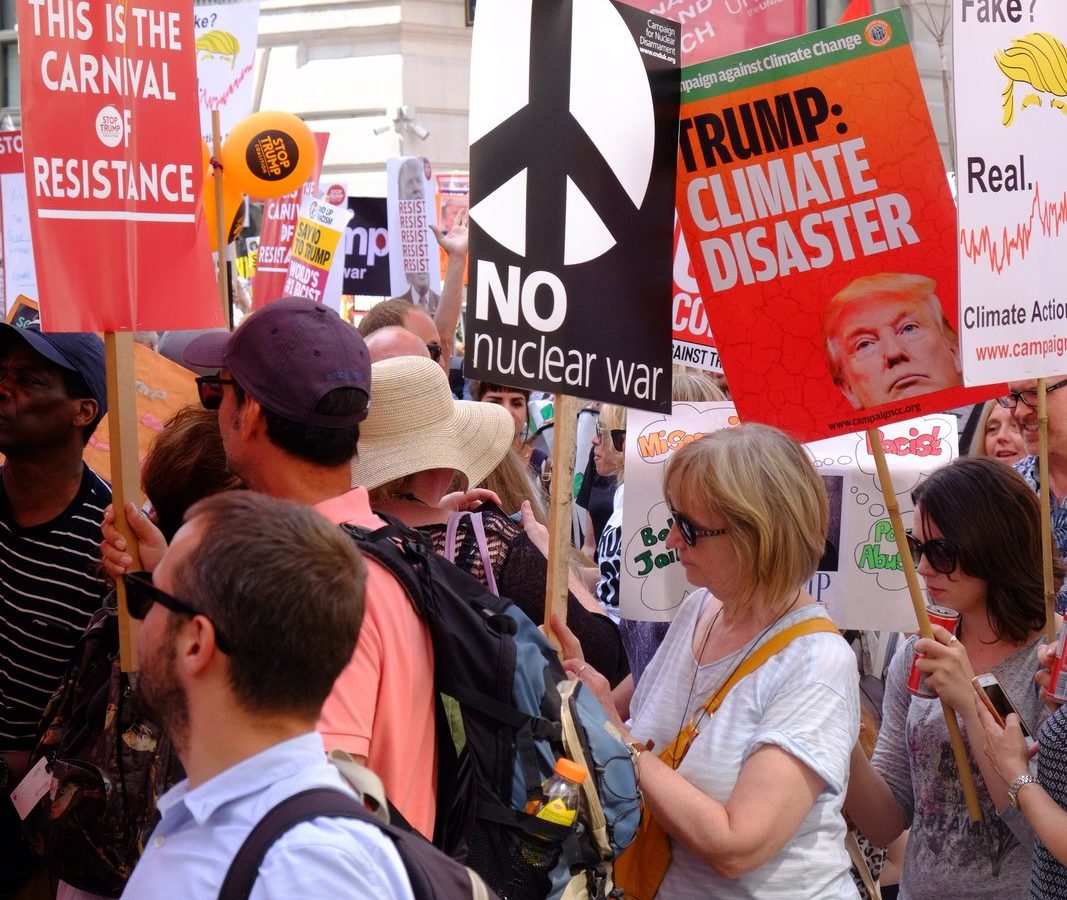
Every modern protest movement begins the same way: not with a meeting, but with a post. The journey from a hashtag to thousands of bodies in a street has become so reliable, so fast, that it is easy to forget how mechanically sophisticated it actually is.
The first stage is aggregation. A hashtag converts thousands of isolated grievances into a single visible mass — and visibility is itself a resource, showing every angry citizen that they are not alone. Social psychologists call this preference revelation; activists call it momentum.
The second stage is logistics, and here the toolkit has become extraordinary. Live maps of police positions, crowdfunding for bail and medical supplies, encrypted coordination channels, legal-observer hotlines, real-time translation of documents into local languages. Movements now carry an administrative infrastructure that once required a political party.
The third stage — the hardest — is endurance. Digital mobilisation is spectacular at surge and notoriously weak at persistence. Hashtags spike and decay; street power requires organisation that outlives the trend. The movements that mattered — from Kenya’s finance bill revolt to #EndSARS — were the ones that converted virality into sustained pressure before the algorithm moved on.
“The path from trending topic to mass protest is now measured in hours. The mechanics of that transformation…”
States have learned to fight back at each stage: throttling bandwidth, flooding hashtags with disinformation, arresting the most visible nodes. The contest between movement and state is now an arms race run partly in server infrastructure.
The hashtag-to-street pipeline is neither inherently democratic nor inherently chaotic — it is a tool, and like every tool in political history, its meaning depends on who wields it and what they build with the crowd it delivers.